THE ADVENTURE COLLECTIVE® · Independent discovery and booking for outdoor travel

Walk from Bowling Green through the oldest streets of New York to Wall Street with a private guide. This two-hour tour connects colonial beginnings, Revolutionary moments, and the rise of the financial district with clear local insights and practical tips.
Walk from Bowling Green through the oldest streets of New York to Wall Street with a private guide. This two-hour tour connects colonial beginnings, Revolutionary moments, and the rise of the financial district with clear local insights and practical tips.
You step out at the south gate of Bowling Green and the city shifts—cobblestones underfoot, glass towers catching light where Dutch bricks once stood. The guide threads stories through alleyways and plazas, pointing out faded markers and the precise bend where a wooden stockade once kept the colony secure.
Verified experiences and guided adventures in the surrounding area.
Operated by New York Historical Tours · New York, New York
You step out at the south gate of Bowling Green and the city shifts—cobblestones underfoot, glass towers catching light where Dutch bricks once stood. The guide threads stories through alleyways and plazas, pointing out faded markers and the precise bend where a wooden stockade once kept the colony secure.
Lower Manhattan is a layered map: 17th-century Dutch canals buried beneath present-day streets, Revolutionary-era rallies that shaped independent government, and the 19th-century rise of finance that made Wall Street a global hinge. Geology here is subtle — filled land and reclaimed shoreline that pushed Manhattan’s edge south, now lined with piers and parks where harbor breezes cut through heat in summer.
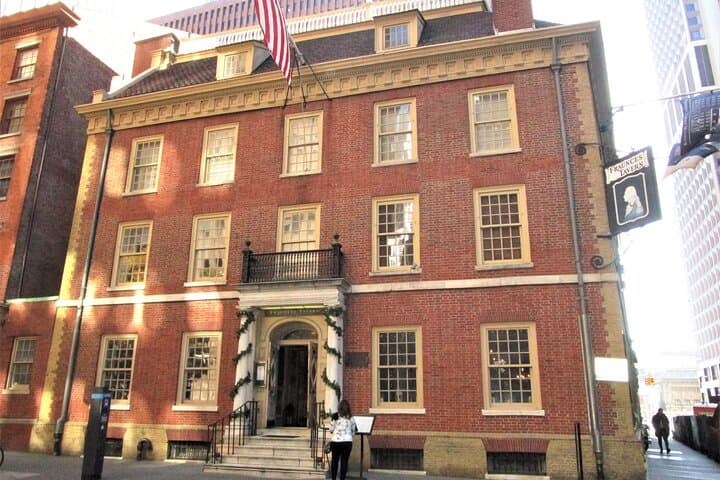
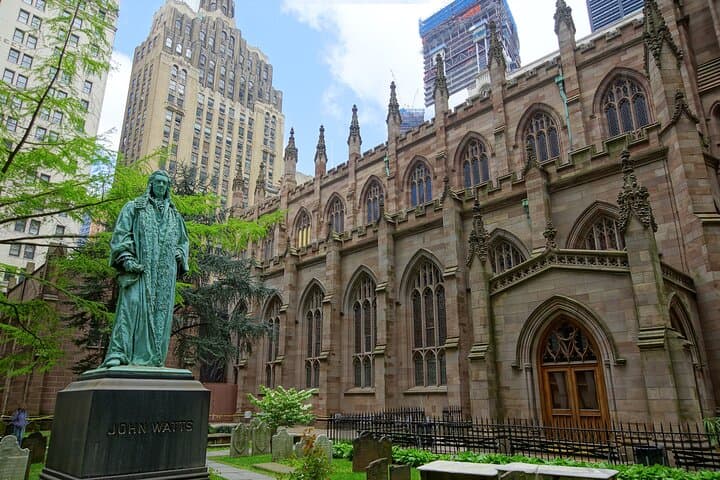
Culturally the area hums with contrasts: immigrant-run delis, solemn memorials, and corporate plazas where office workers lunch beside century-old churches. Small details matter — a tavern façade that survived the Revolution, a granite step worn by generations — and your guide connects them to wider national history.
Practical side: this is a two-hour, low-impact walking tour on city sidewalks and short cobbles. Expect frequent stops, clear narration, and minimal elevation but some uneven pavement. Bring a transit card, comfortable shoes, and a light layer for wind off the Hudson. Morning departures reduce crowds and make photos easier; afternoon light frames façades for dramatic contrast.
Whether you’re here for the sites or to understand how a colonial port became a financial capital, this private walk gives historical context, local color, and tactical tips to keep your day moving smoothly.
easy.
2 hours.
Suitable for most fitness levels; requires walking on city streets for two hours.
Yes—this walking tour is wheelchair accessible but call ahead to confirm route adjustments and to ensure a smooth experience.
The tour is private; capacity depends on the operator but is typically suitable for couples up to small groups—confirm limits when booking.
Children are welcome; the pace is leisurely and suitable for school-age kids, though very young children in strollers may need extra attention on cobbles.
Yes—private tours allow customization on request, whether you prefer deeper Revolutionary history, architectural highlights, or finance-focused narratives.
Lower Manhattan grew from a 17th-century Dutch settlement into the financial heart of the U.S.; many street patterns and landmarks trace back to colonial property lines and reclaimed shoreline.
Preservation efforts focus on protecting historic façades and managing foot traffic through sensitive sites; please follow signage and avoid touching delicate materials.
New York Historical Tours operates guided outdoor trips and adventures with an emphasis on safety, stewardship, and memorable experiences.


You step out at the south gate of Bowling Green and the city shifts—cobblestones underfoot, glass towers catching light where Dutch bricks once stood. The guide threads stories through alleyways and plazas, pointing out faded markers and the precise bend where a wooden stockade once kept the colony secure.
You step out at the south gate of Bowling Green and the city shifts—cobblestones underfoot, glass towers catching light where Dutch bricks once stood. The guide threads stories through alleyways and plazas, pointing out faded markers and the precise bend where a wooden stockade once kept the colony secure.
Lower Manhattan is a layered map: 17th-century Dutch canals buried beneath present-day streets, Revolutionary-era rallies that shaped independent government, and the 19th-century rise of finance that made Wall Street a global hinge. Geology here is subtle — filled land and reclaimed shoreline that pushed Manhattan’s edge south, now lined with piers and parks where harbor breezes cut through heat in summer.
Culturally the area hums with contrasts: immigrant-run delis, solemn memorials, and corporate plazas where office workers lunch beside century-old churches. Small details matter — a tavern façade that survived the Revolution, a granite step worn by generations — and your guide connects them to wider national history.
Practical side: this is a two-hour, low-impact walking tour on city sidewalks and short cobbles. Expect frequent stops, clear narration, and minimal elevation but some uneven pavement. Bring a transit card, comfortable shoes, and a light layer for wind off the Hudson. Morning departures reduce crowds and make photos easier; afternoon light frames façades for dramatic contrast.
Whether you’re here for the sites or to understand how a colonial port became a financial capital, this private walk gives historical context, local color, and tactical tips to keep your day moving smoothly.