THE ADVENTURE COLLECTIVE® · Independent discovery and booking for outdoor travel

This five-hour small-group tour is an efficient introduction to Lisbon’s essentials: hilltop lookouts, Alfama’s medieval lanes, Belém’s Discoveries-era monuments, and an original Pastéis de Belém pastry tasting. Ideal for first-time visitors who want context, culture, and classic photo stops.
This five-hour small-group tour is an efficient introduction to Lisbon’s essentials: hilltop lookouts, Alfama’s medieval lanes, Belém’s Discoveries-era monuments, and an original Pastéis de Belém pastry tasting. Ideal for first-time visitors who want context, culture, and classic photo stops.
You step out of an air-conditioned minivan into the light that hits Lisbon’s hills—orange-tiled roofs, the Tagus glittering where it meets the Atlantic, and the distant silhouette of the 25 de Abril Bridge.
Verified experiences and guided adventures in the surrounding area.
Operated by RecordTours · Lisbon, Lisboa
You step out of an air-conditioned minivan into the light that hits Lisbon’s hills—orange-tiled roofs, the Tagus glittering where it meets the Atlantic, and the distant silhouette of the 25 de Abril Bridge.
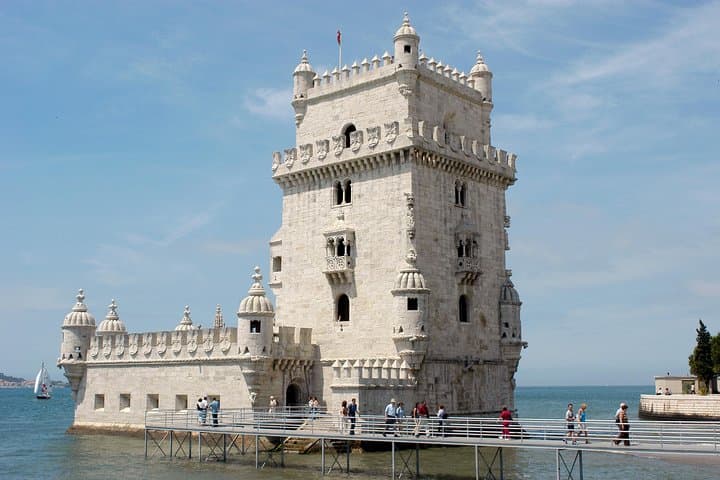
This five-hour small-group tour threads together the city’s high points: panoramic miradouros (lookouts) on the seven hills, the medieval lanes of Alfama, and the riverside monuments of Belém. Belém’s Manueline stonework—seen at Jerónimos Monastery and the Tower of Belém—speaks to Portugal’s 16th-century Age of Discoveries, when Lisbon was the launch point for global navigation. The Tagus estuary shaped the city’s geology: soft sedimentary banks and reclaimed riverfronts that made the port ideal for shipbuilding and trade.
Alfama’s narrow alleys hold traces of Moorish urban patterns and the baroque churches rebuilt after the 1755 earthquake; listen for snippets of fado and the clack of trams on steep cobbles. At Pastéis de Belém you’ll sample a custard tart baked to a recipe guarded since 1837—a cultural ritual as much as a snack.
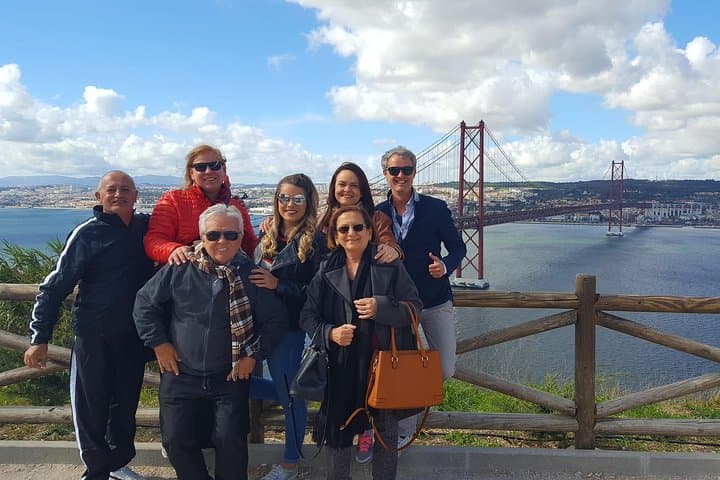
Practical guidance: the tour mixes short walks and drives—comfortable shoes, a light jacket near the river, and a camera for every miradouro. Expect 6–8 people per group, bottled water included, and multiple photo stops including the Christ the King viewpoint across the river. Allow time for security lines at major monuments and budget mobility time on Lisbon’s steep streets.
easy.
5 hours.
Suitable for most fitness levels; involves short uphill walks and standing at viewpoints.
The tour includes short walks at each stop—usually 15–30 minutes at viewpoints and monuments—paired with driving between districts.
The itinerary lists main stops but some specific admissions are not included; confirm with the operator whether entry fees are covered for sites like Jerónimos Monastery.
The tour is family-friendly but Alfama’s narrow, uneven streets and some viewpoints have stairs; a carrier is easier than a stroller in those areas.
Pastel tasting is brief; notify the operator in advance of allergies or dietary needs so they can arrange alternatives if possible.
Lisbon expanded rapidly during the 15th–16th centuries as a maritime hub; many Belém monuments date to the Manueline era that commemorates Portugal’s global voyages.
Visitors are encouraged to stick to marked paths and avoid touching fragile stonework; Belém and Alfama manage visitor pressure through timed entries and local preservation programs.
RecordTours operates guided outdoor trips and adventures with an emphasis on safety, stewardship, and memorable experiences.
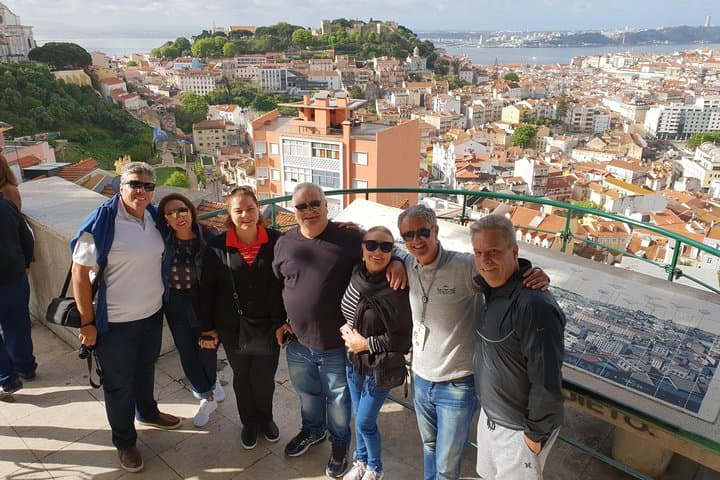
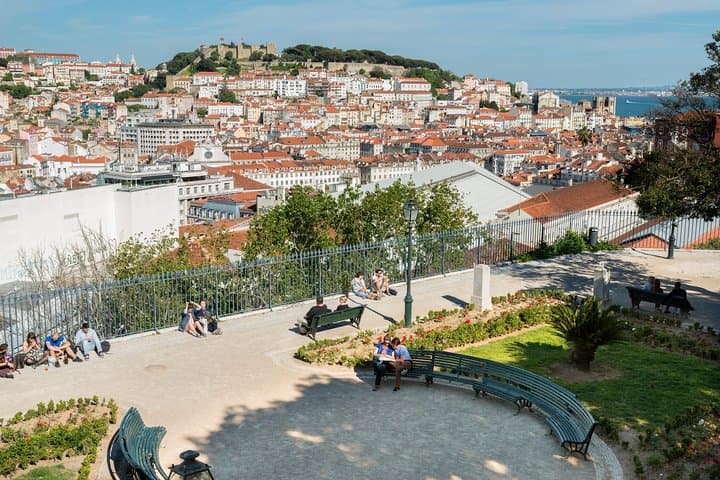
You step out of an air-conditioned minivan into the light that hits Lisbon’s hills—orange-tiled roofs, the Tagus glittering where it meets the Atlantic, and the distant silhouette of the 25 de Abril Bridge.
You step out of an air-conditioned minivan into the light that hits Lisbon’s hills—orange-tiled roofs, the Tagus glittering where it meets the Atlantic, and the distant silhouette of the 25 de Abril Bridge.
This five-hour small-group tour threads together the city’s high points: panoramic miradouros (lookouts) on the seven hills, the medieval lanes of Alfama, and the riverside monuments of Belém. Belém’s Manueline stonework—seen at Jerónimos Monastery and the Tower of Belém—speaks to Portugal’s 16th-century Age of Discoveries, when Lisbon was the launch point for global navigation. The Tagus estuary shaped the city’s geology: soft sedimentary banks and reclaimed riverfronts that made the port ideal for shipbuilding and trade.
Alfama’s narrow alleys hold traces of Moorish urban patterns and the baroque churches rebuilt after the 1755 earthquake; listen for snippets of fado and the clack of trams on steep cobbles. At Pastéis de Belém you’ll sample a custard tart baked to a recipe guarded since 1837—a cultural ritual as much as a snack.
Practical guidance: the tour mixes short walks and drives—comfortable shoes, a light jacket near the river, and a camera for every miradouro. Expect 6–8 people per group, bottled water included, and multiple photo stops including the Christ the King viewpoint across the river. Allow time for security lines at major monuments and budget mobility time on Lisbon’s steep streets.