THE ADVENTURE COLLECTIVE® · Independent discovery and booking for outdoor travel

Walk Al-Balad as evening cools: a guided 1–2 hour tour through Jeddah’s coral-stone houses, bustling souqs and historic gates. Expect close alleys, local stories, and architecture that dates back centuries.
Walk Al-Balad as evening cools: a guided 1–2 hour tour through Jeddah’s coral-stone houses, bustling souqs and historic gates. Expect close alleys, local stories, and architecture that dates back centuries.
The sun has already slid toward the Red Sea when you step from the modern avenues into Al-Balad’s narrow lanes—lanes that compress light and sound until the city feels like a pocket of another century. Lamps spill warm pools across coral-stone walls; rawasheen (wooden lattice balconies) lean over alleys where vendors arrange brassware and spices.
Verified experiences and guided adventures in the surrounding area.
Operated by LOCTOU.CO · Jeddah, Makkah Province
The sun has already slid toward the Red Sea when you step from the modern avenues into Al-Balad’s narrow lanes—lanes that compress light and sound until the city feels like a pocket of another century. Lamps spill warm pools across coral-stone walls; rawasheen (wooden lattice balconies) lean over alleys where vendors arrange brassware and spices.
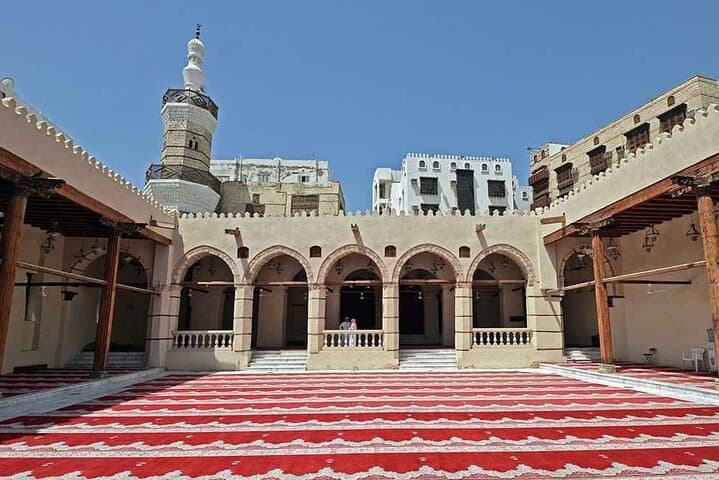
Al-Balad is a living archive. Once a key Red Sea port, the neighborhood’s coral-limestone houses and merchant mansions recorded Jeddah’s role in regional trade and the pilgrimage route to Makkah. The district earned UNESCO recognition in 2014 for its distinctive Hijazi architecture—wind towers, timber balconies and the layered additions of generations visible in patched plaster and carved doors.
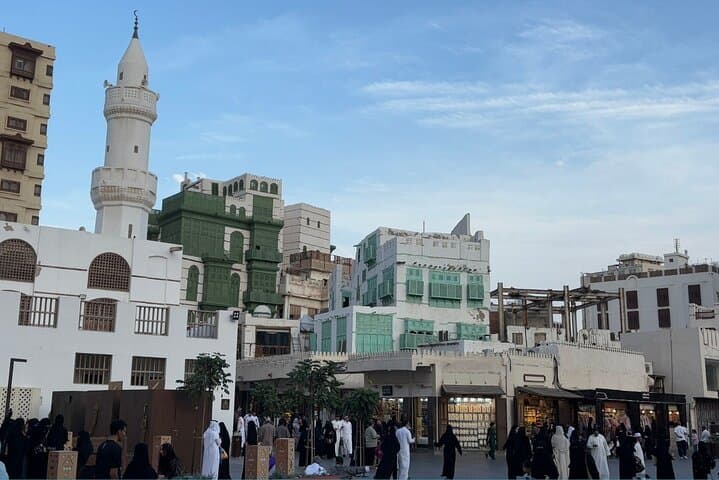
Geology here matters: buildings were cut from coral reef and assembled to breathe in the humid coastal climate. The cultural fabric is equally textured—languages, foods, and craft traditions converge in souqs where Bedouin textiles sit beside Indian spices and Hejazi coffee.
Practical side: plan for evening visits when markets hum and temperatures drop. Wear closed-toe shoes for uneven cobblestones and bring a reusable water bottle; public toilets are limited. Respect dress norms—modest attire and keeping shoulders covered is customary. Allow 60–120 minutes for a guided circuit that includes Nassif House, Al Alawi Souq, Bab Makkah and coral-stone façades. Photography is welcome, but ask before photographing people or inside private museums.
A guided walk here is sensory and low-impact: listen for the call to prayer threading through alleys, follow the smell of cardamom and roasting coffee, and let the coral walls do the narrating as your guide fills in the dates and characters.
easy.
1–2 hours.
Light walking; suitable for most fitness levels though mobility-challenged travelers should note narrow, uneven paths.
Many guides speak English and Arabic; check at booking for other languages or request a bilingual guide in advance.
Al-Balad’s historic lanes include narrow passages and steps; accessibility is limited—contact the operator to confirm specific route adjustments.
Standard shared tours typically focus on exterior sites and souqs; some house museums may require separate admission if you choose that option.
Modest, breathable clothing is recommended—shoulders and knees covered for both men and women is respectful of local customs.
Al-Balad served as Jeddah’s mercantile core and gateway for pilgrims to Makkah; its coral-stone architecture and wooden rawasheen reflect centuries of coastal trade and cultural exchange.
Preservation efforts focus on stabilizing coral-limestone structures and restoring wooden elements while managing development pressure; visitors are urged to stick to paths and avoid touching fragile façades.
LOCTOU.CO operates guided outdoor trips and adventures with an emphasis on safety, stewardship, and memorable experiences.
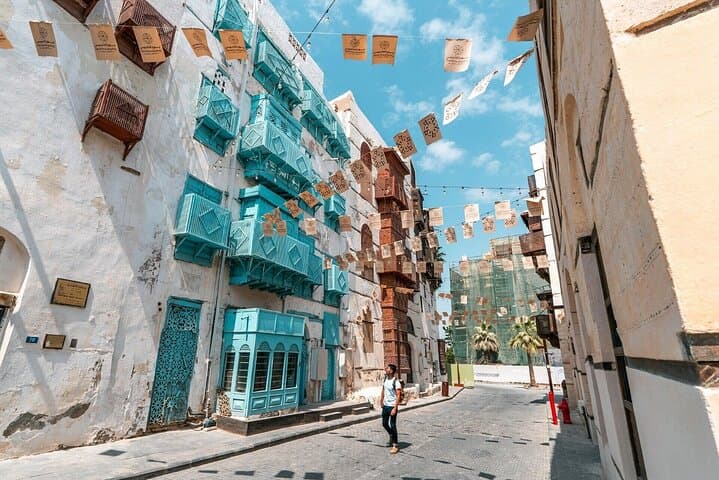
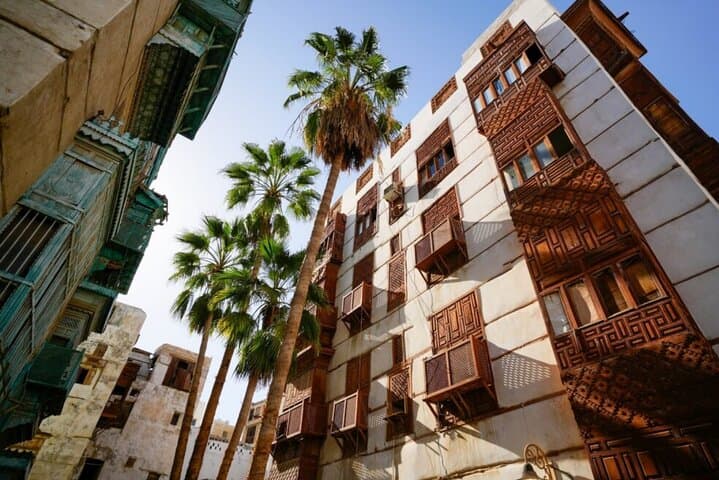
The sun has already slid toward the Red Sea when you step from the modern avenues into Al-Balad’s narrow lanes—lanes that compress light and sound until the city feels like a pocket of another century. Lamps spill warm pools across coral-stone walls; rawasheen (wooden lattice balconies) lean over alleys where vendors arrange brassware and spices.
The sun has already slid toward the Red Sea when you step from the modern avenues into Al-Balad’s narrow lanes—lanes that compress light and sound until the city feels like a pocket of another century. Lamps spill warm pools across coral-stone walls; rawasheen (wooden lattice balconies) lean over alleys where vendors arrange brassware and spices.
Al-Balad is a living archive. Once a key Red Sea port, the neighborhood’s coral-limestone houses and merchant mansions recorded Jeddah’s role in regional trade and the pilgrimage route to Makkah. The district earned UNESCO recognition in 2014 for its distinctive Hijazi architecture—wind towers, timber balconies and the layered additions of generations visible in patched plaster and carved doors.
Geology here matters: buildings were cut from coral reef and assembled to breathe in the humid coastal climate. The cultural fabric is equally textured—languages, foods, and craft traditions converge in souqs where Bedouin textiles sit beside Indian spices and Hejazi coffee.
Practical side: plan for evening visits when markets hum and temperatures drop. Wear closed-toe shoes for uneven cobblestones and bring a reusable water bottle; public toilets are limited. Respect dress norms—modest attire and keeping shoulders covered is customary. Allow 60–120 minutes for a guided circuit that includes Nassif House, Al Alawi Souq, Bab Makkah and coral-stone façades. Photography is welcome, but ask before photographing people or inside private museums.
A guided walk here is sensory and low-impact: listen for the call to prayer threading through alleys, follow the smell of cardamom and roasting coffee, and let the coral walls do the narrating as your guide fills in the dates and characters.