THE ADVENTURE COLLECTIVE® · Independent discovery and booking for outdoor travel

Walk Al-Balad’s coral-stone alleys, sip traditional coffee in courtyard cafés, and explore UNESCO-listed architecture on a focused two-hour city tour. Practical tips cover timing, attire and what to expect at markets and museums.
Walk Al-Balad’s coral-stone alleys, sip traditional coffee in courtyard cafés, and explore UNESCO-listed architecture on a focused two-hour city tour. Practical tips cover timing, attire and what to expect at markets and museums.
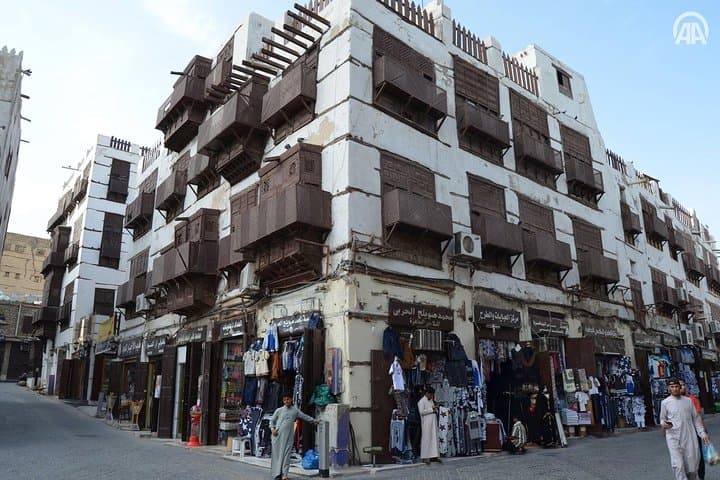
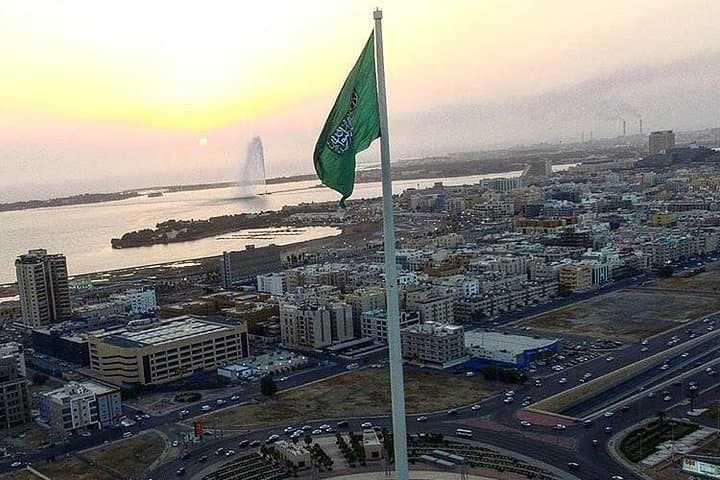
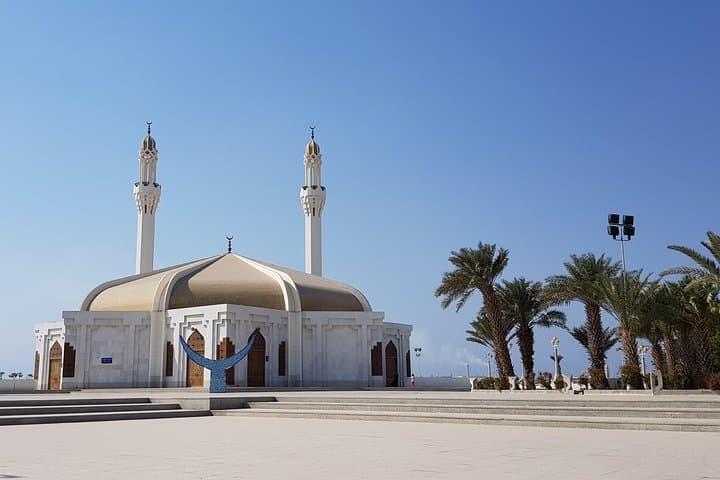
A narrow lane in Al-Balad pushes its way between tall coral-stone houses, and the air is warm with cardamom coffee and the salty edge of the Red Sea daring you to wander farther. In two hours a guide threads a route through wooden-mashrabiya balconies, market alleys, and courtyard cafés where locals sip gahwa and trade news.
Verified experiences and guided adventures in the surrounding area.
Operated by TOURIST GUIDE AHMAD ALJUAED · Jeddah, Makkah Province
A narrow lane in Al-Balad pushes its way between tall coral-stone houses, and the air is warm with cardamom coffee and the salty edge of the Red Sea daring you to wander farther. In two hours a guide threads a route through wooden-mashrabiya balconies, market alleys, and courtyard cafés where locals sip gahwa and trade news.
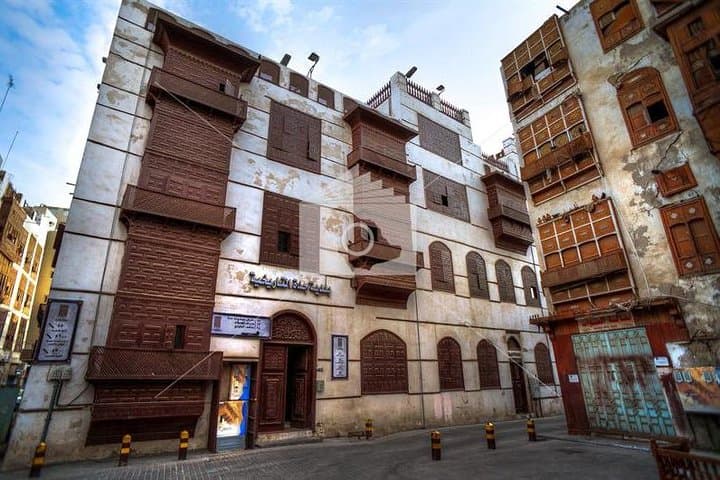
This is Historic Jeddah — the port-city quarter inscribed as a UNESCO World Heritage Site for its 19th-century urban fabric and distinctive coral-reef masonry. Buildings here were hewn from fossilized coral and bound with lime, creating walls that both breathe and hold the heat; rawasheen (ornate wooden window screens) shade narrow streets and hint at Hijazi domestic life. Markets like Al-Alawi pulse with spices, textiles and incense; Naseef House offers a view into merchant-era Jeddah and the social rituals that shaped it.
Culturally conservative and vibrantly commercial, Al-Balad rewards slow observation: listen for bargaining rhythms, watch coffee poured from dallahs, and note the seam where Red Sea commerce met overland pilgrimage routes.
Practical guidance: wear comfortable closed shoes for uneven cobbles, a lightweight cover for modesty, and sun protection — mornings or late afternoons are best to avoid midday heat. Bring small change for purchases, and keep water on hand; many cafes offer seating inside cool, shaded courtyards. Photography is welcome in public areas but ask before photographing people or private houses. The tour is flat, accessible for most fitness levels, and delivers an immediate, tactile sense of Jeddah’s living history.
easy.
2 hours.
Suitable for most fitness levels; involves walking on uneven urban cobbles for the duration
Yes — the listing notes wheelchair and stroller accessibility, though some narrow alleys may be tight; confirm mobility needs when booking.
This standard 2-hour tour typically visits external sites and markets; admissions to specific museums may not be included — check the supplier for details.
Modest dress is expected: avoid shorts and sleeveless tops; women should carry a scarf to cover hair in select religious or traditional settings.
Early mornings or late afternoons are best to avoid high temperatures and to experience market activity with softer light.
Al-Balad grew as Jeddah’s principal port and commercial quarter; its coral-stone houses and wooden rawasheen reflect 19th-century Hijazi merchant culture and Red Sea trade links.
Restoration projects aim to stabilize coral-stone structures while balancing tourism and resident life; visitors can help by following local rules and avoiding litter.
TOURIST GUIDE AHMAD ALJUAED operates guided outdoor trips and adventures with an emphasis on safety, stewardship, and memorable experiences.
A narrow lane in Al-Balad pushes its way between tall coral-stone houses, and the air is warm with cardamom coffee and the salty edge of the Red Sea daring you to wander farther. In two hours a guide threads a route through wooden-mashrabiya balconies, market alleys, and courtyard cafés where locals sip gahwa and trade news.
A narrow lane in Al-Balad pushes its way between tall coral-stone houses, and the air is warm with cardamom coffee and the salty edge of the Red Sea daring you to wander farther. In two hours a guide threads a route through wooden-mashrabiya balconies, market alleys, and courtyard cafés where locals sip gahwa and trade news.
This is Historic Jeddah — the port-city quarter inscribed as a UNESCO World Heritage Site for its 19th-century urban fabric and distinctive coral-reef masonry. Buildings here were hewn from fossilized coral and bound with lime, creating walls that both breathe and hold the heat; rawasheen (ornate wooden window screens) shade narrow streets and hint at Hijazi domestic life. Markets like Al-Alawi pulse with spices, textiles and incense; Naseef House offers a view into merchant-era Jeddah and the social rituals that shaped it.
Culturally conservative and vibrantly commercial, Al-Balad rewards slow observation: listen for bargaining rhythms, watch coffee poured from dallahs, and note the seam where Red Sea commerce met overland pilgrimage routes.
Practical guidance: wear comfortable closed shoes for uneven cobbles, a lightweight cover for modesty, and sun protection — mornings or late afternoons are best to avoid midday heat. Bring small change for purchases, and keep water on hand; many cafes offer seating inside cool, shaded courtyards. Photography is welcome in public areas but ask before photographing people or private houses. The tour is flat, accessible for most fitness levels, and delivers an immediate, tactile sense of Jeddah’s living history.