THE ADVENTURE COLLECTIVE® · Independent discovery and booking for outdoor travel

Explore Hongkou on a guided three-hour walking tour that uncovers Lu Xun Park, expatriate neighborhoods and forgotten Asian settlement stories. Learn about writers, revolutionaries and cross-cultural friendships while walking paved paths and quiet alleys.
Explore Hongkou on a guided three-hour walking tour that uncovers Lu Xun Park, expatriate neighborhoods and forgotten Asian settlement stories. Learn about writers, revolutionaries and cross-cultural friendships while walking paved paths and quiet alleys.
You step off the tram into a neighborhood of narrow alleys and broad tree-lined boulevards where the city’s colonial past still leaves its footprints on curbstones and storefronts.
Verified experiences and guided adventures in the surrounding area.
Operated by UtravelShanghai · Shanghai, Shanghai
You step off the tram into a neighborhood of narrow alleys and broad tree-lined boulevards where the city’s colonial past still leaves its footprints on curbstones and storefronts.
The three-hour walk threads through Lu Xun Park and the surrounding Hongkou district—roughly 2–3 km of mostly flat, paved paths with negligible elevation gain—where benches, wartime monuments, and faded shopfronts give shape to stories of writers, revolutionaries and expatriate merchants.
Hongkou was a cultural crossroads in the early 20th century: Japanese and Korean settlers, Chinese leftist intellectuals and foreign missionaries all left marks here. The park itself began life as a British shooting range and later became a public space that housed political meetings and literary gatherings; plaques and preserved buildings point to those encounters.
Geology is urban: reclaimed river flats and layered masonry rather than wild peaks, yet the cityscape has its own textures—granite curbs, cast-iron lamp posts and the soft moss where shade holds moisture.
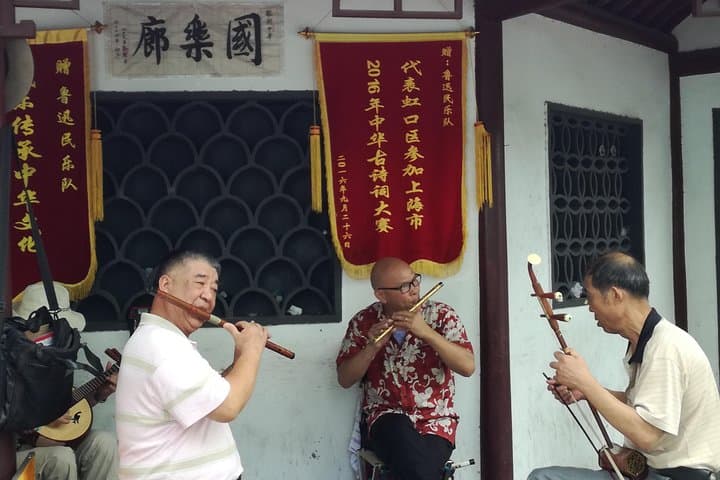
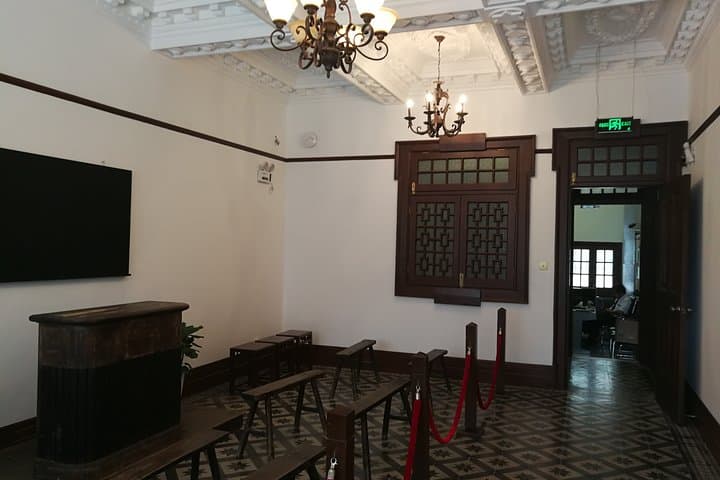
Culturally expect layered encounters: a Japanese bookstore owner’s friendship with Chinese writer Lu Xun, a Korean revolutionary’s bold acts, and local Catholic communities adapting to modern politics. Small museums and memorials punctuate the route.
Practical guidance: wear comfortable walking shoes, carry water and a compact umbrella for sudden rain. Plan mornings to avoid heat and evening crowds; allow time for stops at the park, a bookstore museum and a traditional tea shop. Public transit access is straightforward, and much of the route is stroller-friendly.
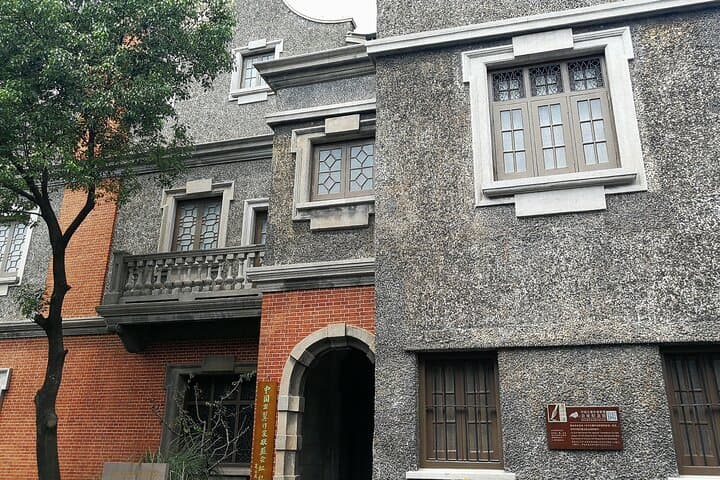
This is a city walk that asks you to read architecture like a map and listen to alleys for the conversations that once shaped modern Shanghai.
easy.
2–3 hours.
Suitable for most fitness levels; primarily walking on flat, paved surfaces with occasional steps.
The guided tour runs about three hours and covers approximately 2–3 km on mostly flat, paved streets and park paths.
Yes—this is an easy-paced, private walking tour; however, participants should be able to walk short distances and navigate a few steps.
Standard itineraries typically include the guide and some site admissions; confirm specifics with the operator when booking.
The advertised tour is led by an expert historian guide—check the booking page for available language options or request one when reserving.
Hongkou was a hub for Asian settlers, intellectuals and political activists in the early 20th century; Lu Xun Park and nearby streets hosted cultural exchanges and meetings that shaped modern Chinese literature and politics.
Urban conservation focuses on preserving historic façades and park green space; visitors are encouraged to stay on paths, avoid littering and support local museums and preservation efforts.
UtravelShanghai operates guided outdoor trips and adventures with an emphasis on safety, stewardship, and memorable experiences.
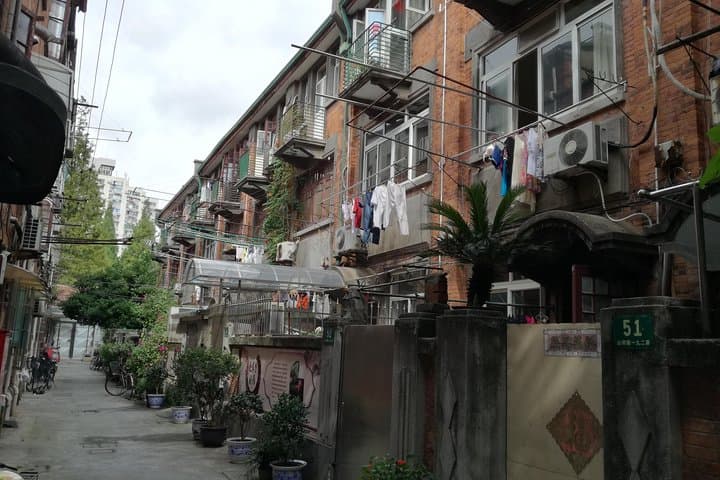
You step off the tram into a neighborhood of narrow alleys and broad tree-lined boulevards where the city’s colonial past still leaves its footprints on curbstones and storefronts.
You step off the tram into a neighborhood of narrow alleys and broad tree-lined boulevards where the city’s colonial past still leaves its footprints on curbstones and storefronts.
The three-hour walk threads through Lu Xun Park and the surrounding Hongkou district—roughly 2–3 km of mostly flat, paved paths with negligible elevation gain—where benches, wartime monuments, and faded shopfronts give shape to stories of writers, revolutionaries and expatriate merchants.
Hongkou was a cultural crossroads in the early 20th century: Japanese and Korean settlers, Chinese leftist intellectuals and foreign missionaries all left marks here. The park itself began life as a British shooting range and later became a public space that housed political meetings and literary gatherings; plaques and preserved buildings point to those encounters.
Geology is urban: reclaimed river flats and layered masonry rather than wild peaks, yet the cityscape has its own textures—granite curbs, cast-iron lamp posts and the soft moss where shade holds moisture.
Culturally expect layered encounters: a Japanese bookstore owner’s friendship with Chinese writer Lu Xun, a Korean revolutionary’s bold acts, and local Catholic communities adapting to modern politics. Small museums and memorials punctuate the route.
Practical guidance: wear comfortable walking shoes, carry water and a compact umbrella for sudden rain. Plan mornings to avoid heat and evening crowds; allow time for stops at the park, a bookstore museum and a traditional tea shop. Public transit access is straightforward, and much of the route is stroller-friendly.
This is a city walk that asks you to read architecture like a map and listen to alleys for the conversations that once shaped modern Shanghai.