THE ADVENTURE COLLECTIVE® · Independent discovery and booking for outdoor travel

Walk ancient trader routes at Jabal AlJirrah in AlUla, where Thamudic inscriptions and wind-sculpted sandstone tell human stories across millennia. This 4-hour guided hike mixes geology, archaeology, and exposed desert walking—ideal for travelers who want hands-on history and strong sunlight.
Walk ancient trader routes at Jabal AlJirrah in AlUla, where Thamudic inscriptions and wind-sculpted sandstone tell human stories across millennia. This 4-hour guided hike mixes geology, archaeology, and exposed desert walking—ideal for travelers who want hands-on history and strong sunlight.
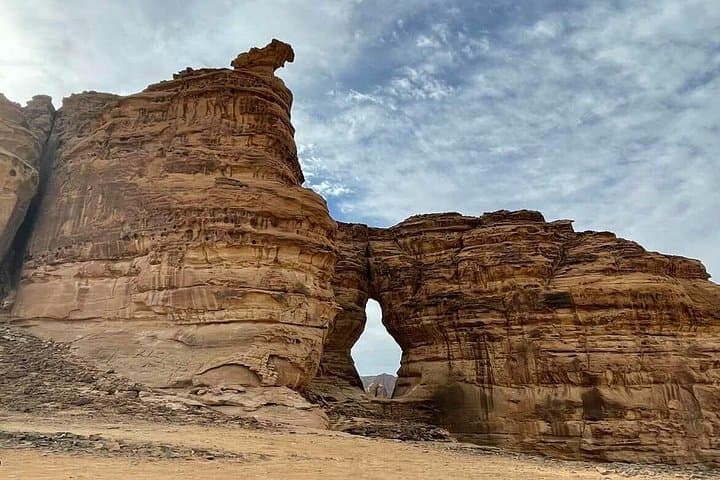
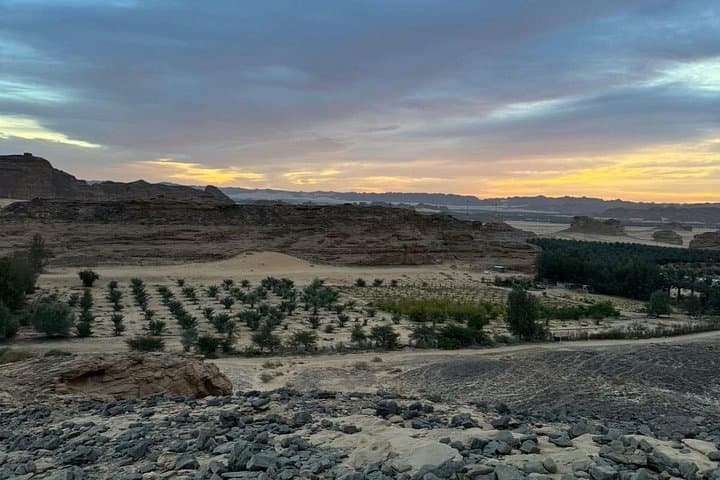
The path crests suddenly and the desert opens: honey-colored sandstone cliffs scrape the sky and flat benches reveal weathered petroglyphs that have seen traders and caravans pass for millennia. On this four-hour hike at Jabal AlJirrah (Al Jarrah Mountain) you move through narrow gullies, low scrub, and rocky ramps where ancient Thamudic inscriptions sit like messages left in stone.
Verified experiences and guided adventures in the surrounding area.
Operated by Zawaya Tourist · AlUla, Al Madinah Region
The path crests suddenly and the desert opens: honey-colored sandstone cliffs scrape the sky and flat benches reveal weathered petroglyphs that have seen traders and caravans pass for millennia. On this four-hour hike at Jabal AlJirrah (Al Jarrah Mountain) you move through narrow gullies, low scrub, and rocky ramps where ancient Thamudic inscriptions sit like messages left in stone.
Geology here is direct and readable — wind-carved sandstone layers, occasional flinty beds, and loose scree on steeper pitches. Archaeology and culture are close at hand: inscriptions and cup marks date to pre-Islamic peoples who used these ridgelines as route markers and memory-places for caravans crossing the oasis margins. Local guides often point out stylistic differences in letter forms and share practical lore about water sources and trade routes that made AlUla a regional crossroads.
Expect uneven, rocky terrain with short steep sections and loose footing; total elevation change is modest but persistent. Wildlife is sparse and adapted — desert larks and small reptiles are the most likely companions. The route is exposed: the sun rules the day and shade is rare.
Practical guidance: start early to avoid heat, carry at least 1–2 liters of water, wear sturdy boots and sun protection, and follow your guide’s instructions around inscriptions — touching or climbing on petroglyphs damages irreplaceable heritage. The hike suits walkers comfortable with uneven ground for up to four hours and rewards persistence with intimate views of AlUla’s sculpted rock and living history.
moderate.
4 hours.
Suitable for people with basic fitness who can walk on uneven desert terrain for several hours; short climbs require good balance.
The hike is classified as moderate: mostly walking on uneven desert rock with short, steep sections; it’s suitable for people with basic fitness and good balance.
No—touching or climbing on Thamudic inscriptions can damage ancient rock art; observe from a short distance and follow your guide’s instructions.
This experience includes an expert mountain guide; guides commonly speak English and Arabic, though language availability can vary—check at booking.
Autumn through spring offers milder temperatures and more comfortable hiking conditions; avoid midday in summer when temperatures can be extreme.
Jabal AlJirrah sits along ancient caravan corridors; Thamudic inscriptions reflect centuries of transient visitors and local communities that used rock faces as markers and records.
This area contains fragile archaeological material—stay on established paths, avoid touching rock art, and follow guide-led visitor limits to reduce wear and erosion.
Zawaya Tourist operates guided outdoor trips and adventures with an emphasis on safety, stewardship, and memorable experiences.

The path crests suddenly and the desert opens: honey-colored sandstone cliffs scrape the sky and flat benches reveal weathered petroglyphs that have seen traders and caravans pass for millennia. On this four-hour hike at Jabal AlJirrah (Al Jarrah Mountain) you move through narrow gullies, low scrub, and rocky ramps where ancient Thamudic inscriptions sit like messages left in stone.
The path crests suddenly and the desert opens: honey-colored sandstone cliffs scrape the sky and flat benches reveal weathered petroglyphs that have seen traders and caravans pass for millennia. On this four-hour hike at Jabal AlJirrah (Al Jarrah Mountain) you move through narrow gullies, low scrub, and rocky ramps where ancient Thamudic inscriptions sit like messages left in stone.
Geology here is direct and readable — wind-carved sandstone layers, occasional flinty beds, and loose scree on steeper pitches. Archaeology and culture are close at hand: inscriptions and cup marks date to pre-Islamic peoples who used these ridgelines as route markers and memory-places for caravans crossing the oasis margins. Local guides often point out stylistic differences in letter forms and share practical lore about water sources and trade routes that made AlUla a regional crossroads.
Expect uneven, rocky terrain with short steep sections and loose footing; total elevation change is modest but persistent. Wildlife is sparse and adapted — desert larks and small reptiles are the most likely companions. The route is exposed: the sun rules the day and shade is rare.
Practical guidance: start early to avoid heat, carry at least 1–2 liters of water, wear sturdy boots and sun protection, and follow your guide’s instructions around inscriptions — touching or climbing on petroglyphs damages irreplaceable heritage. The hike suits walkers comfortable with uneven ground for up to four hours and rewards persistence with intimate views of AlUla’s sculpted rock and living history.