THE ADVENTURE COLLECTIVE® · Independent discovery and booking for outdoor travel

Walk a 90‑minute daytime ghost tour through the streets and cemeteries of St. Augustine, where Spanish colonial walls, coquina stone, and long-lived local stories form the backdrop for haunted history. Expect easy walking, historic detail, and just enough spookiness to bring the past to life.
Walk a 90‑minute daytime ghost tour through the streets and cemeteries of St. Augustine, where Spanish colonial walls, coquina stone, and long-lived local stories form the backdrop for haunted history. Expect easy walking, historic detail, and just enough spookiness to bring the past to life.
The brick streets of downtown St. Augustine hold a practiced hush; on this 90-minute daytime ghost walk you follow a guide who teases out the city's darker chapters while the town continues its slow, coastal pulse around you.
Verified experiences and guided adventures in the surrounding area.
Operated by Historic Haunted Tours · St. Augustine, Florida
The brick streets of downtown St. Augustine hold a practiced hush; on this 90-minute daytime ghost walk you follow a guide who teases out the city's darker chapters while the town continues its slow, coastal pulse around you.
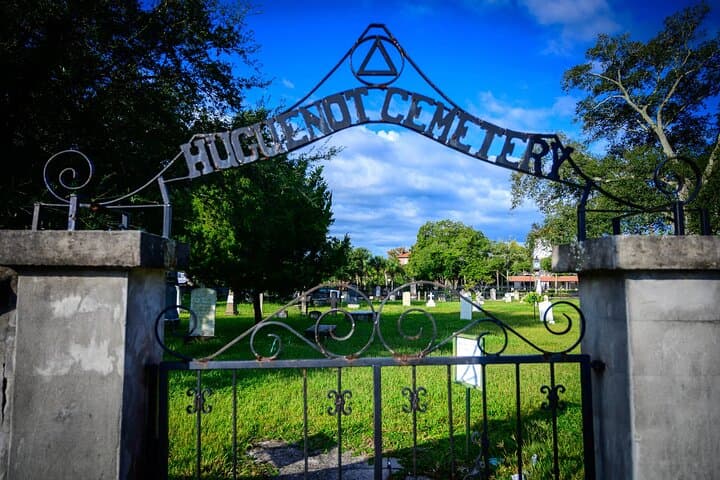
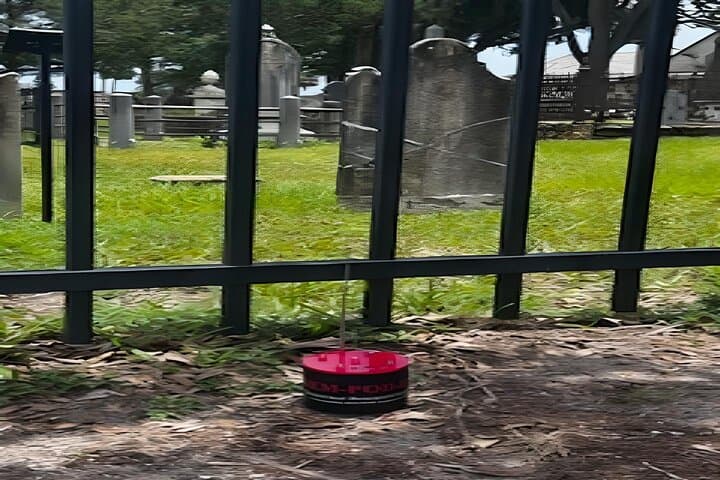
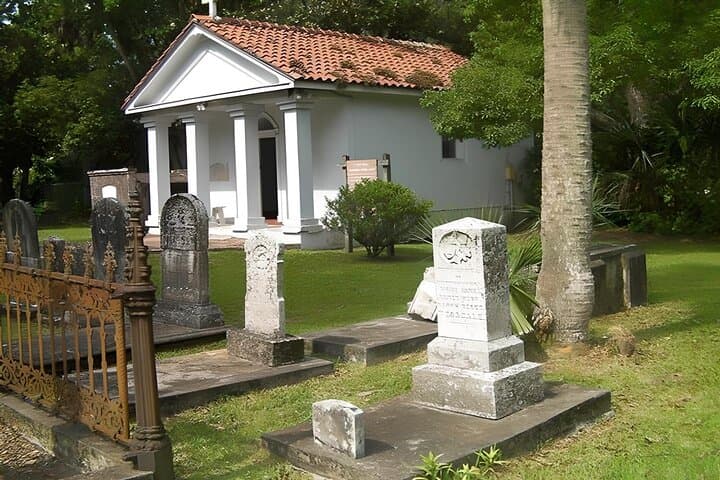
Founded by Spanish colonists in 1565, St. Augustine is America's oldest continuously occupied European settlement. The tour threads colonial walls, city gates and centuries-old cemeteries where limestone markers and moss-draped oaks seem to watch you approach. Geology shows here in coquina — a soft, shell-rich limestone that built the Castillo de San Marcos and absorbs the Atlantic's salt and sun. Local culture is layered: Spanish, British and Gullah-Geechee influences surface in street names, architecture and the funeral customs that make some sites uniquely eerie.
Guides blend documented events and oral lore, pointing out grave markers, historic homes and the city gates that once regulated traffic and rumor. The walking surface is uneven — brick and flagstone — with short uphill steps near the plaza. Expect conversation about 19th- and 20th-century residents, shipwrecks offshore and the city's role in Florida's colonial contests.
Practical guidance: wear sturdy shoes, bring water and a light jacket for coastal breezes; tours move at an easy pace but include narrow sidewalks. Midday sun and summer humidity make mornings or late afternoons more comfortable. Respect private property and cemetery rules — photos allowed in public areas, but leave artifacts and headstones undisturbed. This walk is an accessible introduction to St. Augustine's haunted history, ideal for visitors who want atmosphere grounded in place and fact.
easy.
1.5 hours.
Suitable for most fitness levels; requires about 1–2 miles of mostly gentle walking with some uneven surfaces.
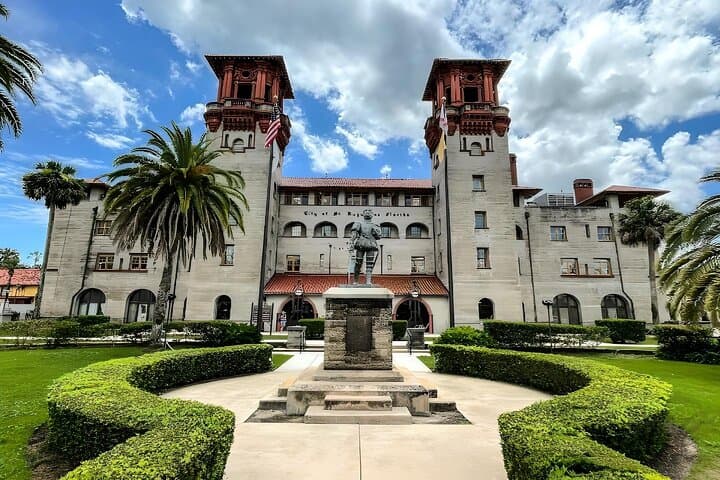
The tour meets in front of the Methodist church in downtown St. Augustine—arrive about 10 minutes early to check in.
Yes. The operator notes the walk is stroller-accessible and family-friendly, though some cemetery paths are narrow.
Service animals are permitted; other pets are not recommended due to narrow sidewalks and historic sites.
For a full refund cancel at least 24 hours before departure; tours may be canceled for bad weather.
St. Augustine was founded in 1565 and preserves Spanish colonial, British and antebellum layers visible in its streets, masonry and burial practices.
Historic downtown sees heavy foot traffic—stay on marked paths, avoid touching masonry and follow local rules to protect fragile coquina and grave markers.
Historic Haunted Tours operates guided outdoor trips and adventures with an emphasis on safety, stewardship, and memorable experiences.
The brick streets of downtown St. Augustine hold a practiced hush; on this 90-minute daytime ghost walk you follow a guide who teases out the city's darker chapters while the town continues its slow, coastal pulse around you.
The brick streets of downtown St. Augustine hold a practiced hush; on this 90-minute daytime ghost walk you follow a guide who teases out the city's darker chapters while the town continues its slow, coastal pulse around you.
Founded by Spanish colonists in 1565, St. Augustine is America's oldest continuously occupied European settlement. The tour threads colonial walls, city gates and centuries-old cemeteries where limestone markers and moss-draped oaks seem to watch you approach. Geology shows here in coquina — a soft, shell-rich limestone that built the Castillo de San Marcos and absorbs the Atlantic's salt and sun. Local culture is layered: Spanish, British and Gullah-Geechee influences surface in street names, architecture and the funeral customs that make some sites uniquely eerie.
Guides blend documented events and oral lore, pointing out grave markers, historic homes and the city gates that once regulated traffic and rumor. The walking surface is uneven — brick and flagstone — with short uphill steps near the plaza. Expect conversation about 19th- and 20th-century residents, shipwrecks offshore and the city's role in Florida's colonial contests.
Practical guidance: wear sturdy shoes, bring water and a light jacket for coastal breezes; tours move at an easy pace but include narrow sidewalks. Midday sun and summer humidity make mornings or late afternoons more comfortable. Respect private property and cemetery rules — photos allowed in public areas, but leave artifacts and headstones undisturbed. This walk is an accessible introduction to St. Augustine's haunted history, ideal for visitors who want atmosphere grounded in place and fact.