
Historic Gyeongju Day Trip: Cheomseongdae, Donggung Palace & Teddy Bear Museum
A single-day excursion from Seoul that compresses Silla-era monuments, a playful museum, and palace gardens into a crisp cultural loop. Expect easy walking, long travel time, and memorable historic sights like Cheomseongdae and Donggung Palace.
An Adventure In Gyeongju.
A single-day excursion from Seoul that compresses Silla-era monuments, a playful museum, and palace gardens into a crisp cultural loop. Expect easy walking, long travel time, and memorable historic sights like Cheomseongdae and Donggung Palace.
Read the full experience
You step off the coach into a long, low light—stone paths warm from the sun, the distant curve of a reconstructed palace roof, and a squat, cylindrical observatory watching the plains. The day trip from Seoul becomes a compact field guide to Korea’s Silla capital: a rhythm of short walks, museum rooms, and landscaped ponds that move between intimate details and broad historical sweep.
You step off the coach into a long, low light—stone paths warm from the sun, the distant curve of a reconstructed palace roof, and a squat, cylindrical observatory watching the plains. The day trip from Seoul becomes a compact field guide to Korea’s Silla capital: a rhythm of short walks, museum rooms, and landscaped ponds that move between intimate details and broad historical sweep.
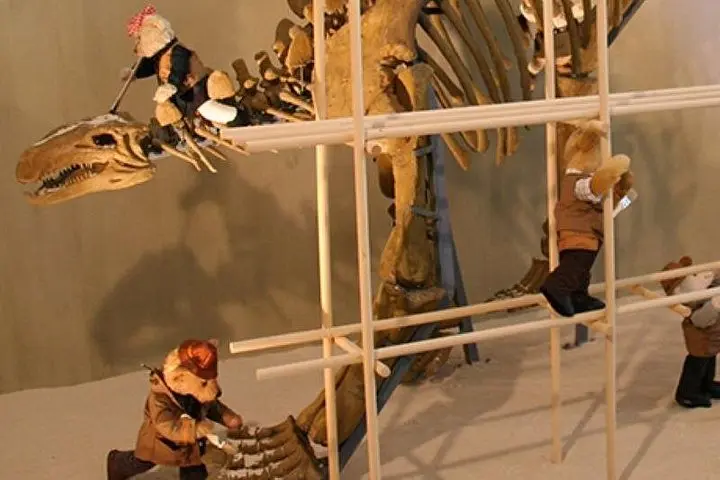
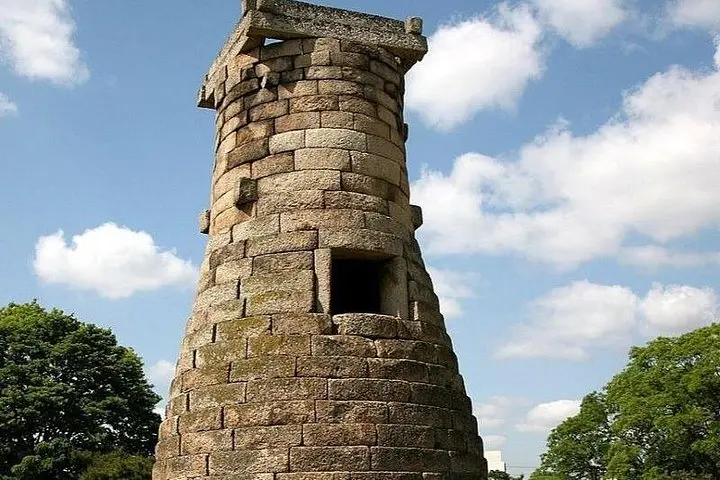
Gyeongju was the political and cultural heart of Silla (57 BC–935 AD). Cheomseongdae, the 7th‑century stone observatory, stands as one of Asia’s oldest surviving astronomical structures; nearby Donggung Palace and Wolji (formerly Anapji) show how royal architecture shaped ceremonial life. The Teddy Bear Museum offers a modern, playful counterpoint—popular with families and a quirky way to trace costume and narrative history.
Geologically the area sits on low hills and alluvial plains carved by centuries of agriculture; walking is low-elevation but surfaces vary from paved paths to compacted dirt around tumuli and ponds. Expect plenty of stops: the group itinerary allows 6–9 hours total with roughly 3.5 hours travel each way from Seoul, and multiple 45–90 minute site visits.
Practical guidance: wear sturdy walking shoes for uneven stone and slight inclines, carry water and sun protection in summer, and bring a light layer for cooler mornings or evenings. Cameras and a small notebook reward curiosity; respect signage around tomb mounds and reconstructed ruins. If you have a spinal condition or stroller needs, check accessibility—some historic areas have steps and limited ramps. Plan for cash or card at small cafes, and aim for early or late afternoon light around Wolji for the best photos.
Frequently asked questions
The trip lasts roughly 6–9 hours on the ground, with about 3.5 hours each way by coach from Seoul, plus short rest stops en route.
Some site admissions are included per the itinerary (e.g., Teddy Bear Museum); check the booking page for specifics on entrance fees for each stop.
The tour is family-friendly but not recommended for travelers with spinal injuries; some historic sites have steps or uneven ground—check accessibility ahead of booking.
Spring (cherry blossoms) and autumn (maple colors) offer the most dramatic scenery; summer is hot and humid, and winters are cold but quieter.
About This Experience
Plus Planner operates guided outdoor trips and adventures with an emphasis on safety, stewardship, and memorable experiences.
Adventure tips
Recommended gear
- Comfortable walking shoes: Required for uneven stone paths and compacted dirt around historic sites.
- Reusable water bottle: Staying hydrated is important during summer’s heat and humidity.
- Light rain jacket or wind layer: Spring showers and breezy evenings are common; a packable layer helps.
- Camera or smartphone with extra battery: Wolji reflections and stone observatory details reward photography.
Photos of the experience


Related adventures & guides
Read the full experience
You step off the coach into a long, low light—stone paths warm from the sun, the distant curve of a reconstructed palace roof, and a squat, cylindrical observatory watching the plains. The day trip from Seoul becomes a compact field guide to Korea’s Silla capital: a rhythm of short walks, museum rooms, and landscaped ponds that move between intimate details and broad historical sweep.
You step off the coach into a long, low light—stone paths warm from the sun, the distant curve of a reconstructed palace roof, and a squat, cylindrical observatory watching the plains. The day trip from Seoul becomes a compact field guide to Korea’s Silla capital: a rhythm of short walks, museum rooms, and landscaped ponds that move between intimate details and broad historical sweep.
Gyeongju was the political and cultural heart of Silla (57 BC–935 AD). Cheomseongdae, the 7th‑century stone observatory, stands as one of Asia’s oldest surviving astronomical structures; nearby Donggung Palace and Wolji (formerly Anapji) show how royal architecture shaped ceremonial life. The Teddy Bear Museum offers a modern, playful counterpoint—popular with families and a quirky way to trace costume and narrative history.
Geologically the area sits on low hills and alluvial plains carved by centuries of agriculture; walking is low-elevation but surfaces vary from paved paths to compacted dirt around tumuli and ponds. Expect plenty of stops: the group itinerary allows 6–9 hours total with roughly 3.5 hours travel each way from Seoul, and multiple 45–90 minute site visits.
Practical guidance: wear sturdy walking shoes for uneven stone and slight inclines, carry water and sun protection in summer, and bring a light layer for cooler mornings or evenings. Cameras and a small notebook reward curiosity; respect signage around tomb mounds and reconstructed ruins. If you have a spinal condition or stroller needs, check accessibility—some historic areas have steps and limited ramps. Plan for cash or card at small cafes, and aim for early or late afternoon light around Wolji for the best photos.
Make a day of it nearby.
Verified experiences and guided adventures in the surrounding area.