THE ADVENTURE COLLECTIVE® · Independent discovery and booking for outdoor travel

Walk the parade grounds and museum galleries where Barbados’ colonial garrison reveals stories of soldiers, visitors and everyday life. This guided 2–3 hour tour blends military history with local cultural context and practical visitor tips.
Walk the parade grounds and museum galleries where Barbados’ colonial garrison reveals stories of soldiers, visitors and everyday life. This guided 2–3 hour tour blends military history with local cultural context and practical visitor tips.
A warm Atlantic breeze moves across low coral-stone walls as you gather by the Barbados Museum entrance, the sound of distant hooves from the Garrison Savannah punctuating the morning. The guide leads the group through shaded courtyards and parade grounds where muskets once clicked and sentries kept watch; the air feels neither romanticized nor sterile—just plain, lived history.
Verified experiences and guided adventures in the surrounding area.
Operated by Chattel House Audio Tours Inc · Bridgetown, Saint Michael
A warm Atlantic breeze moves across low coral-stone walls as you gather by the Barbados Museum entrance, the sound of distant hooves from the Garrison Savannah punctuating the morning. The guide leads the group through shaded courtyards and parade grounds where muskets once clicked and sentries kept watch; the air feels neither romanticized nor sterile—just plain, lived history.
The Garrison was the island’s military nerve center under British rule, a compact complex of barracks, parade grounds and a hospital that witnessed strategic planning, colonial policy and the rhythms of garrison life. Barbados itself is raised coral limestone—old reef and sand compressed into terraces—so the built and natural landscape share the same pale, sun-baked color. Expect stories that connect the site to wider Atlantic history: imperial defense, the transatlantic economy, and famous visitors (George Washington passed through Barbados in the 18th century).
Culturally the area remains active: the Savannah still stages race days and public events, and local guides point out everyday details—memorials, cannons, and the museum’s collections that preserve personal and military artifacts.
Practical guidance: this is a 2–3 hour, low-impact walking tour over paved and compacted paths; comfortable shoes, sun protection and a refillable water bottle are essential. The museum requires reservations between visits for sanitation pauses, so arrive at the meeting point early; public buses (Oistins/Speightstown) stop outside the entrance and there is on-site parking. The tour is stroller- and service-animal friendly, but expect some steps and uneven historic thresholds inside the museum galleries.
easy.
2–3 hours.
Suitable for anyone comfortable with light walking for up to three hours; minimal elevation change.
Meet at the entrance to the Barbados Museum and Historical Society, outside the Garrison complex; public buses to Oistins/Speightstown stop nearby.
Yes—infants and small children can ride in strollers, but some museum areas have historic steps and thresholds to navigate.
Yes, admission to the museum's guided sections and headsets or audio devices to hear the guide are included.
Tours operate subject to favorable weather; if canceled due to inclement conditions you’ll be offered an alternative date or full refund.
The Historic Bridgetown and its Garrison served as a principal British military base in the Caribbean; notable visits include George Washington’s trip in the 18th century.
The museum manages visitor flow to protect delicate artifacts and older structures; practicing low-impact visitation (no touching displays, staying on paths) helps preserve the site.
Chattel House Audio Tours Inc operates guided outdoor trips and adventures with an emphasis on safety, stewardship, and memorable experiences.
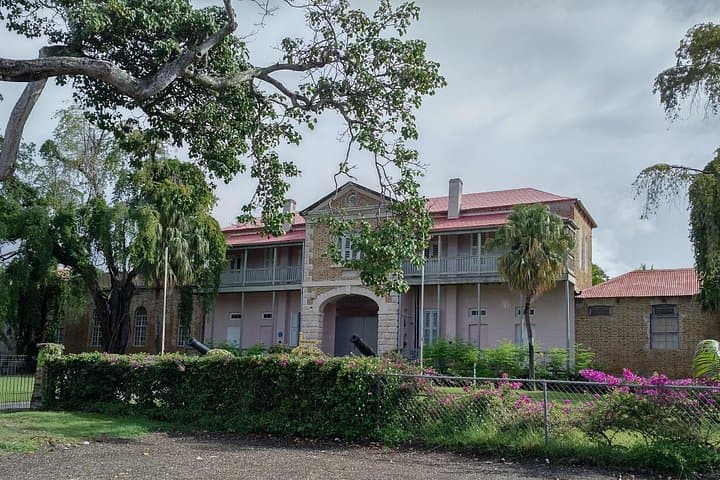
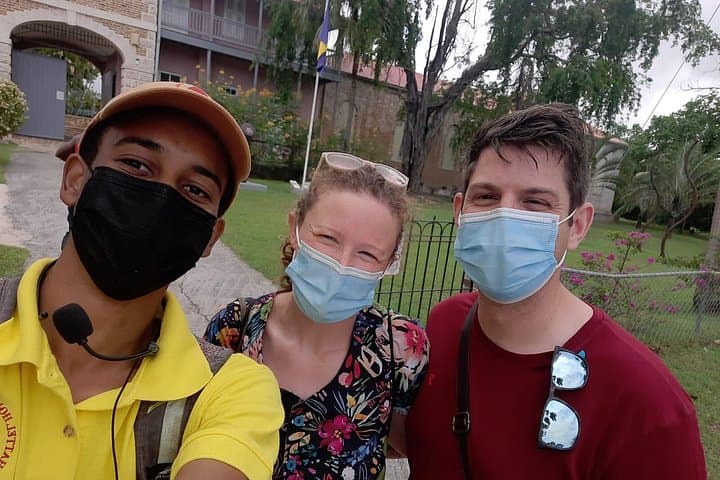
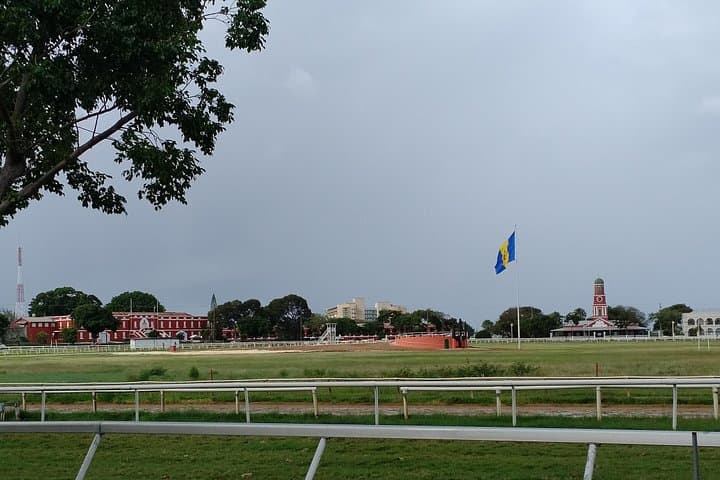
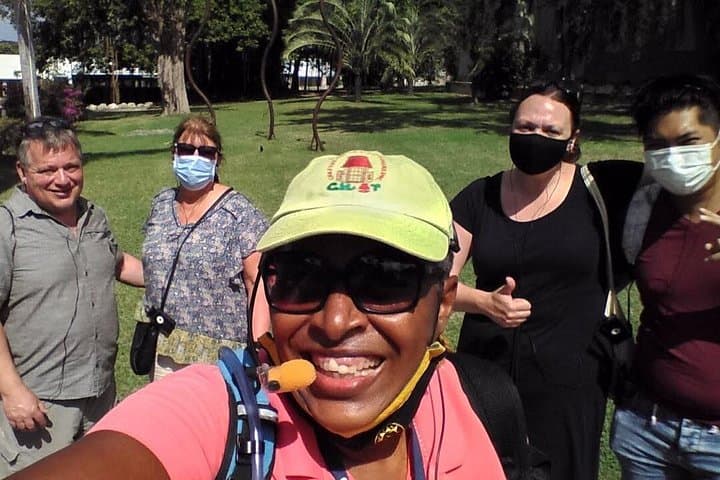
A warm Atlantic breeze moves across low coral-stone walls as you gather by the Barbados Museum entrance, the sound of distant hooves from the Garrison Savannah punctuating the morning. The guide leads the group through shaded courtyards and parade grounds where muskets once clicked and sentries kept watch; the air feels neither romanticized nor sterile—just plain, lived history.
A warm Atlantic breeze moves across low coral-stone walls as you gather by the Barbados Museum entrance, the sound of distant hooves from the Garrison Savannah punctuating the morning. The guide leads the group through shaded courtyards and parade grounds where muskets once clicked and sentries kept watch; the air feels neither romanticized nor sterile—just plain, lived history.
The Garrison was the island’s military nerve center under British rule, a compact complex of barracks, parade grounds and a hospital that witnessed strategic planning, colonial policy and the rhythms of garrison life. Barbados itself is raised coral limestone—old reef and sand compressed into terraces—so the built and natural landscape share the same pale, sun-baked color. Expect stories that connect the site to wider Atlantic history: imperial defense, the transatlantic economy, and famous visitors (George Washington passed through Barbados in the 18th century).
Culturally the area remains active: the Savannah still stages race days and public events, and local guides point out everyday details—memorials, cannons, and the museum’s collections that preserve personal and military artifacts.
Practical guidance: this is a 2–3 hour, low-impact walking tour over paved and compacted paths; comfortable shoes, sun protection and a refillable water bottle are essential. The museum requires reservations between visits for sanitation pauses, so arrive at the meeting point early; public buses (Oistins/Speightstown) stop outside the entrance and there is on-site parking. The tour is stroller- and service-animal friendly, but expect some steps and uneven historic thresholds inside the museum galleries.