THE ADVENTURE COLLECTIVE® · Independent discovery and booking for outdoor travel

Walk through 900 years of history with a Blue Badge guide on a two-hour private tour of Durham’s cathedral, bridges and market streets. Expect cobbled lanes, riverside views and college lore framed by Norman stone and Georgian streets.
Walk through 900 years of history with a Blue Badge guide on a two-hour private tour of Durham’s cathedral, bridges and market streets. Expect cobbled lanes, riverside views and college lore framed by Norman stone and Georgian streets.
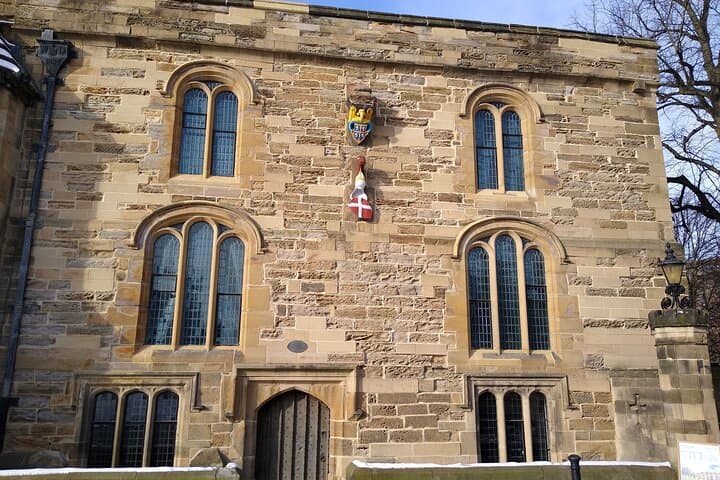
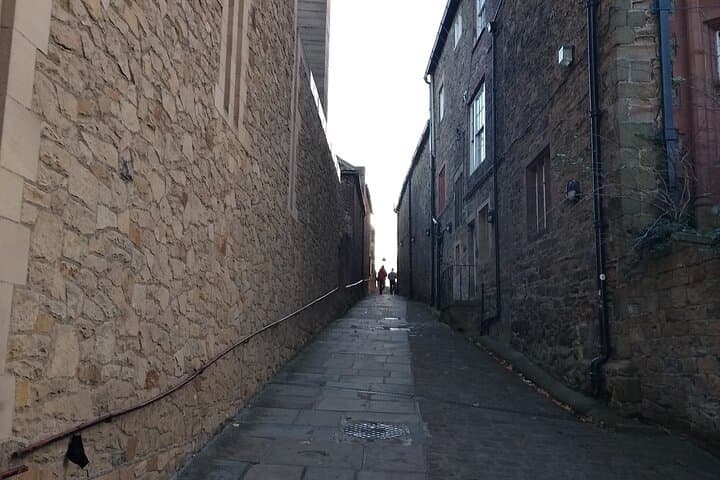
You step off Saddler Street and the city rearranges itself around the river: stone steps, Georgian facades, and the cathedral bulking above the Wear. The guide leads you down narrow alleys and onto Elvet Bridge, pointing out scars of millstone and gunports while the river dares you to slow your pace and look longer.
Verified experiences and guided adventures in the surrounding area.
Operated by Ken Bradshaw · Durham, County Durham
You step off Saddler Street and the city rearranges itself around the river: stone steps, Georgian facades, and the cathedral bulking above the Wear. The guide leads you down narrow alleys and onto Elvet Bridge, pointing out scars of millstone and gunports while the river dares you to slow your pace and look longer.
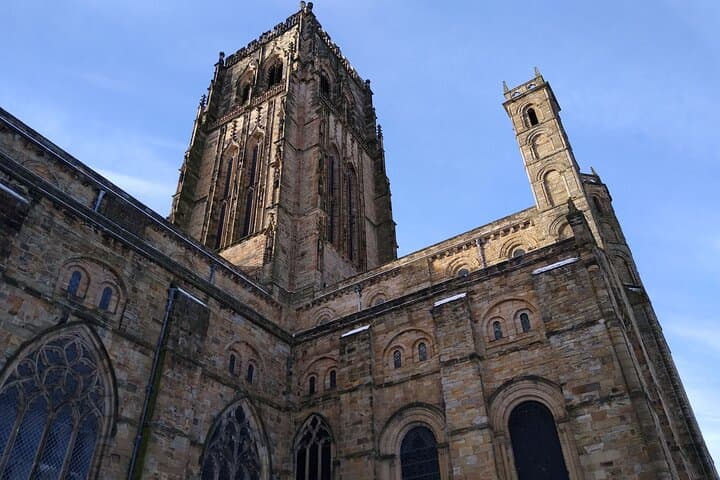
Durham’s core grew around a Norman cathedral founded in the late 11th century and the fortress that guarded it. The Prince Bishops once exercised near-royal power here; their decisions shaped markets, bridges and the university colleges that crowd the hill. The city sits on coal measures and sandstone that weather into steep riverbanks and durable quarried blocks—materials that give Durham its compact, vertical streets.
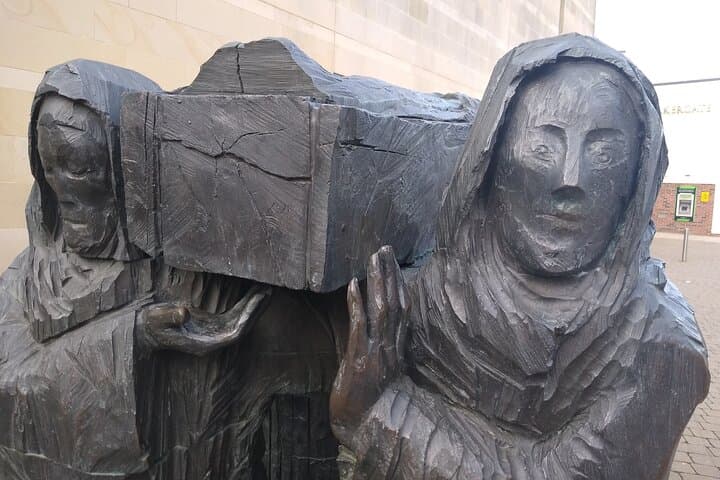
Culturally the city is part campus, part market town: college gowns thread through Saturday shoppers and buskers. Local color appears in statues, Victorian theatre stories, and the quirky backstreets where you’ll hear tales of fiddlers and coal barons.
Practical guidance: this private two-hour walking tour moves over cobblestones, short stair flights and a few uneven bridges—comfortable, broken-in footwear is non-negotiable. Bring a waterproof layer; the river valley can channel wind and rain even on otherwise fair days. Tours are mobile ticket–friendly and adaptable to interest (architecture, local lore or university history). Expect frequent stops for photos and a steady pace between sights; water and light snacks suffice.
Plan an early-afternoon slot for softer light on the cathedral and quieter market lanes. With a knowledgeable Blue Badge guide, the walk is both a concise city primer and a deeper look at a place where geology, power and learning meet the river.
moderate.
2 hours.
Moderate—able to walk 2–3 miles over uneven cobbles and short stair sections without difficulty.
The tour is listed as wheelchair accessible, but parts of the route include cobbles and small gradients; contact the operator beforehand to confirm a fully accessible route.
This is offered as a private tour—group size is determined by your booking, making it suitable for solo travelers, couples or small groups.
Meeting is typically in or near Durham Market Place; mobile or paper tickets are accepted and admission to public streets and bridges is included.
Full refund available if you cancel at least 24 hours before the scheduled departure; check operator terms for last-minute changes due to weather.
Durham grew around a Norman cathedral and a fortress; the Prince Bishops held secular and ecclesiastical power that shaped the city’s bridges, markets and colleges.
Respect university grounds and historic structures by staying on marked paths, carrying out litter, and following local signage to reduce wear on ancient stonework.
Ken Bradshaw operates guided outdoor trips and adventures with an emphasis on safety, stewardship, and memorable experiences.
You step off Saddler Street and the city rearranges itself around the river: stone steps, Georgian facades, and the cathedral bulking above the Wear. The guide leads you down narrow alleys and onto Elvet Bridge, pointing out scars of millstone and gunports while the river dares you to slow your pace and look longer.
You step off Saddler Street and the city rearranges itself around the river: stone steps, Georgian facades, and the cathedral bulking above the Wear. The guide leads you down narrow alleys and onto Elvet Bridge, pointing out scars of millstone and gunports while the river dares you to slow your pace and look longer.
Durham’s core grew around a Norman cathedral founded in the late 11th century and the fortress that guarded it. The Prince Bishops once exercised near-royal power here; their decisions shaped markets, bridges and the university colleges that crowd the hill. The city sits on coal measures and sandstone that weather into steep riverbanks and durable quarried blocks—materials that give Durham its compact, vertical streets.
Culturally the city is part campus, part market town: college gowns thread through Saturday shoppers and buskers. Local color appears in statues, Victorian theatre stories, and the quirky backstreets where you’ll hear tales of fiddlers and coal barons.
Practical guidance: this private two-hour walking tour moves over cobblestones, short stair flights and a few uneven bridges—comfortable, broken-in footwear is non-negotiable. Bring a waterproof layer; the river valley can channel wind and rain even on otherwise fair days. Tours are mobile ticket–friendly and adaptable to interest (architecture, local lore or university history). Expect frequent stops for photos and a steady pace between sights; water and light snacks suffice.
Plan an early-afternoon slot for softer light on the cathedral and quieter market lanes. With a knowledgeable Blue Badge guide, the walk is both a concise city primer and a deeper look at a place where geology, power and learning meet the river.