THE ADVENTURE COLLECTIVE® · Independent discovery and booking for outdoor travel

Walk Al Fahidi’s narrow lanes, taste Emirati street snacks, and cross Dubai Creek on a traditional abra. This 3–4 hour guided route blends history, markets, and flavors for a compact cultural dive into old Dubai.
Walk Al Fahidi’s narrow lanes, taste Emirati street snacks, and cross Dubai Creek on a traditional abra. This 3–4 hour guided route blends history, markets, and flavors for a compact cultural dive into old Dubai.
You step off the shaded lane into Al Fahidi’s tight alleys and the city’s pulse changes—wind towers throw cool pockets of air, coffee steam curls from tiny cups, and the creek glares in the distance like an old trading route. The guide hands you dates and karak; the smell of toasted spices threads through the market air and the abra waits with a wooden rocker-board that promises a short, salty crossing.
Verified experiences and guided adventures in the surrounding area.
Operated by OceanAir Travels · Dubai, Dubai
You step off the shaded lane into Al Fahidi’s tight alleys and the city’s pulse changes—wind towers throw cool pockets of air, coffee steam curls from tiny cups, and the creek glares in the distance like an old trading route. The guide hands you dates and karak; the smell of toasted spices threads through the market air and the abra waits with a wooden rocker-board that promises a short, salty crossing.
This walk follows the spine of Dubai’s origin: Al Fahidi (Al Bastakiya) grew as a 19th-century merchant quarter, while Dubai Creek has been the city’s artery for dhow trade and pearling. The geology is coastal plain—mangrove-lined estuary feeding into the Persian Gulf—so expect flat ground and tidal views rather than elevation. Culturally, the tour stitches together Emirati heritage sites, the spice and gold souks, and living food traditions like luqaimat and ragag.
Practical notes: the route is 3–4 hours of mostly paved walking with brief abra crossings; comfortable shoes and sun protection matter more than stamina. Bring cash small bills for bargaining, and plan morning or late-afternoon slots to avoid peak heat. Photography is welcome but be mindful in heritage houses and when vendors ask.
This is a short, dense urban adventure that mixes tangible history, edible discoveries, and a brush with Dubai’s maritime heart—ideal for anyone who wants context with their street food and skyline views.
easy.
3–4 hours.
Suitable for most fitness levels; requires standing and moderate walking ability for several hours
Meet at Al Khayma Heritage House in the Al Fahidi Historic District; the nearest metro is Al Ghubaiba on the Green Line and the guide will confirm details via WhatsApp.
Yes—tastings like luqaimat, ragag, karak tea and small street bites are included; premium options add additional snacks and drinks.
Abrass are small and step-down boarding is required; this tour is not recommended for large strollers or limited-mobility travelers without assistance.
Infants are not permitted on this tour, and children should be supervised due to crowded marketplaces and water access at the creek.
Al Fahidi and Dubai Creek formed the nucleus of the city’s pearling and trading economy in the 19th and early 20th centuries; many buildings reflect merchant architecture from that era.
Respect heritage preservation by staying on marked paths and minimizing plastic waste; support local sellers and heritage sites that invest in restoration.
OceanAir Travels operates guided outdoor trips and adventures with an emphasis on safety, stewardship, and memorable experiences.

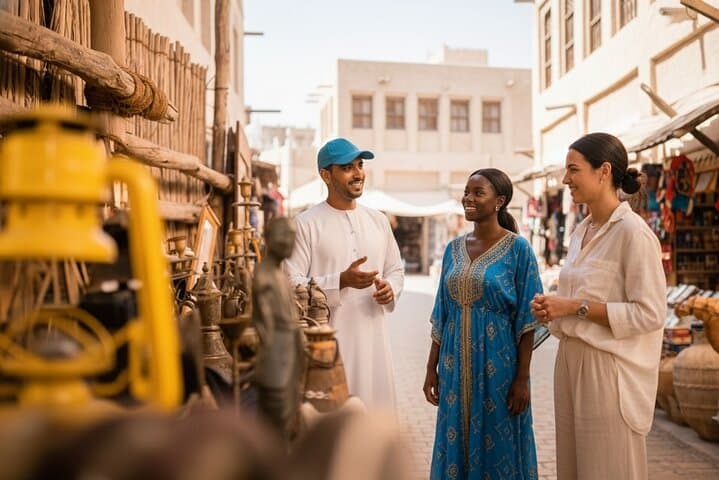
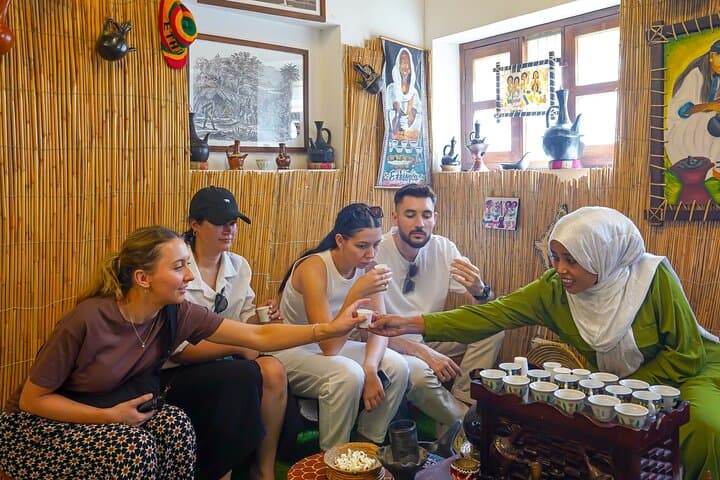
You step off the shaded lane into Al Fahidi’s tight alleys and the city’s pulse changes—wind towers throw cool pockets of air, coffee steam curls from tiny cups, and the creek glares in the distance like an old trading route. The guide hands you dates and karak; the smell of toasted spices threads through the market air and the abra waits with a wooden rocker-board that promises a short, salty crossing.
You step off the shaded lane into Al Fahidi’s tight alleys and the city’s pulse changes—wind towers throw cool pockets of air, coffee steam curls from tiny cups, and the creek glares in the distance like an old trading route. The guide hands you dates and karak; the smell of toasted spices threads through the market air and the abra waits with a wooden rocker-board that promises a short, salty crossing.
This walk follows the spine of Dubai’s origin: Al Fahidi (Al Bastakiya) grew as a 19th-century merchant quarter, while Dubai Creek has been the city’s artery for dhow trade and pearling. The geology is coastal plain—mangrove-lined estuary feeding into the Persian Gulf—so expect flat ground and tidal views rather than elevation. Culturally, the tour stitches together Emirati heritage sites, the spice and gold souks, and living food traditions like luqaimat and ragag.
Practical notes: the route is 3–4 hours of mostly paved walking with brief abra crossings; comfortable shoes and sun protection matter more than stamina. Bring cash small bills for bargaining, and plan morning or late-afternoon slots to avoid peak heat. Photography is welcome but be mindful in heritage houses and when vendors ask.
This is a short, dense urban adventure that mixes tangible history, edible discoveries, and a brush with Dubai’s maritime heart—ideal for anyone who wants context with their street food and skyline views.