THE ADVENTURE COLLECTIVE® · Independent discovery and booking for outdoor travel

Walk Charleston’s historic waterfront and neighborhoods with semi-retired local guides who trade scripts for stories. This 90–120 minute tour mixes harbor views, antebellum architecture and local lore with practical tips for timing and comfort.
Walk Charleston’s historic waterfront and neighborhoods with semi-retired local guides who trade scripts for stories. This 90–120 minute tour mixes harbor views, antebellum architecture and local lore with practical tips for timing and comfort.
You step off the shaded patio at 160 Church Street into a street that still moves at the pace of its bricks—salt air, gull calls, and the murmur of the harbor daring you to look up.
Verified experiences and guided adventures in the surrounding area.
Operated by Ghostwalk · Charleston, South Carolina
You step off the shaded patio at 160 Church Street into a street that still moves at the pace of its bricks—salt air, gull calls, and the murmur of the harbor daring you to look up.
This guided walk threads through Charleston’s waterfront, past antebellum mansions, the old City Market and Ansonborough’s narrow lanes. Guides with decades of experience strip away myth to show how the city’s colonial port, plantation economy and Gullah culture shaped daily life here. Geologically, you’ll notice the low-lying coastal plain: tidal creeks, cobbled seawalls and nearby barrier islands that keep the city both beautiful and vulnerable to storms.
Expect practical local color—how rice and indigo wealth sculpted streets, why certain homes face the harbor, and the role of the natural spring where you can refill a bottle. Dolphins sometimes cut through the harbor like punctuation; shorebirds patrol the marsh edges.
The tour is conversational and accessible: stops total a handful of short pauses, plenty of photo ops, and an option to enter a historic interior if available. Wear sturdy walking shoes—some sidewalks are uneven—and plan for sun or sudden rain.
Timing matters: mornings bring softer light and cooler air; late afternoons amplify golden facades and reduce crowds. Guides are semi-retired locals who favor authentic storytelling over rote scripts, so bring questions. This is a low-impact way to read Charleston’s layered history on foot while staying aware of tides, weather and respectful behavior around historic sites.
easy.
1.5–2 hours.
Suitable for most fitness levels; expect 1–2 miles of walking at a relaxed pace with short standing stops.
Meet at the company banner on the railing outside 160 Church St; the tour also ends at the same location.
Yes—routes and surfaces are described as wheelchair accessible, but notify the operator of special requirements when booking.
Guides may offer opportunities to enter interiors if available, but most stops are exterior with storytelling and photo opportunities.
Full refunds are available if you cancel at least 24 hours before departure; check operator policy for weather-related changes.
Charleston grew as a major colonial port; wealth from rice and indigo shaped its architecture and social systems, while Gullah culture preserved African influences in food, language and craft.
Rising seas and development pressure threaten historic shorelines—support responsible tour operators who encourage Leave No Trace behavior and respect for fragile sites.
Ghostwalk operates guided outdoor trips and adventures with an emphasis on safety, stewardship, and memorable experiences.
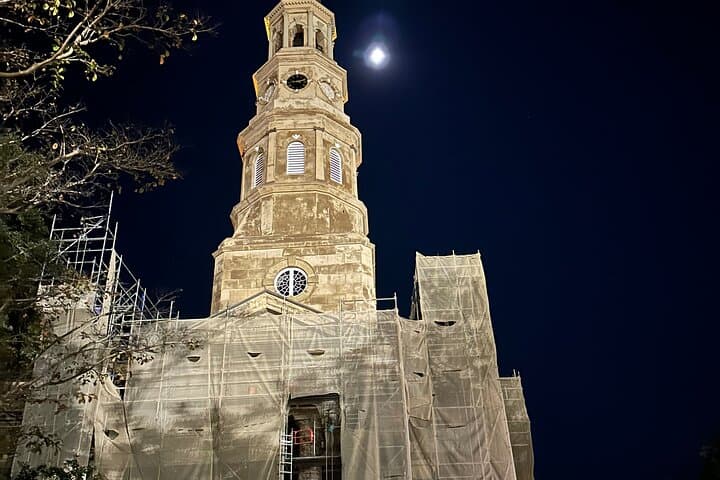
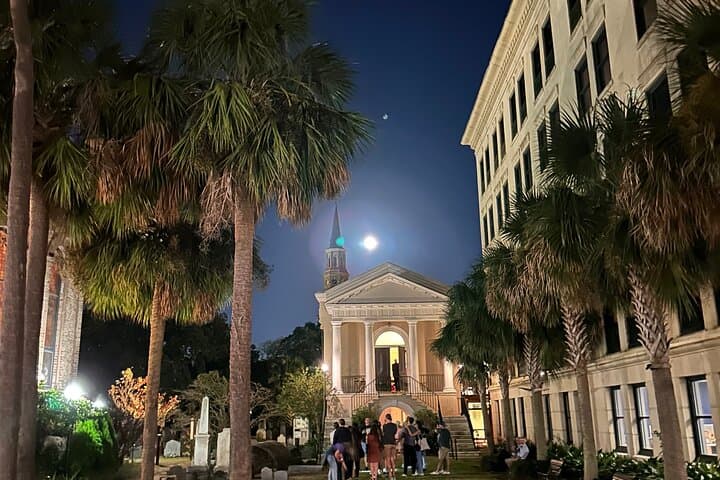
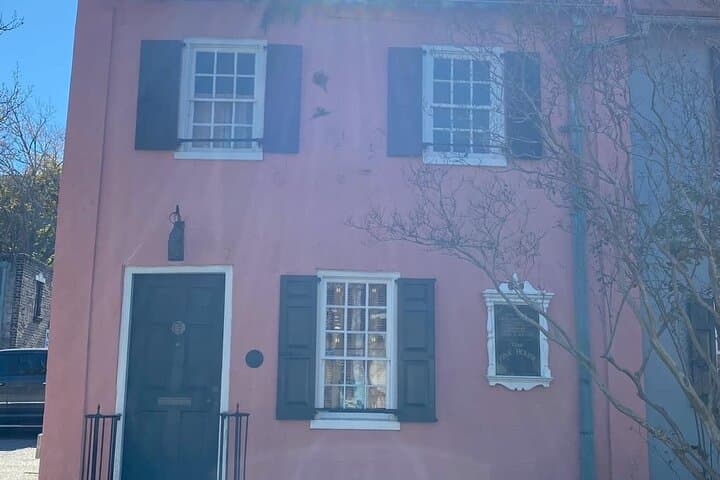
You step off the shaded patio at 160 Church Street into a street that still moves at the pace of its bricks—salt air, gull calls, and the murmur of the harbor daring you to look up.
You step off the shaded patio at 160 Church Street into a street that still moves at the pace of its bricks—salt air, gull calls, and the murmur of the harbor daring you to look up.
This guided walk threads through Charleston’s waterfront, past antebellum mansions, the old City Market and Ansonborough’s narrow lanes. Guides with decades of experience strip away myth to show how the city’s colonial port, plantation economy and Gullah culture shaped daily life here. Geologically, you’ll notice the low-lying coastal plain: tidal creeks, cobbled seawalls and nearby barrier islands that keep the city both beautiful and vulnerable to storms.
Expect practical local color—how rice and indigo wealth sculpted streets, why certain homes face the harbor, and the role of the natural spring where you can refill a bottle. Dolphins sometimes cut through the harbor like punctuation; shorebirds patrol the marsh edges.
The tour is conversational and accessible: stops total a handful of short pauses, plenty of photo ops, and an option to enter a historic interior if available. Wear sturdy walking shoes—some sidewalks are uneven—and plan for sun or sudden rain.
Timing matters: mornings bring softer light and cooler air; late afternoons amplify golden facades and reduce crowds. Guides are semi-retired locals who favor authentic storytelling over rote scripts, so bring questions. This is a low-impact way to read Charleston’s layered history on foot while staying aware of tides, weather and respectful behavior around historic sites.