THE ADVENTURE COLLECTIVE® · Independent discovery and booking for outdoor travel

Explore Campeche’s fortified core on a five‑hour mix of walking and short drives: gatehouses, coastal bastions and museums bring the city’s colonial and Mayan layers to life. Practical tips on timing, terrain and what to pack make this a smooth cultural outing.
Explore Campeche’s fortified core on a five‑hour mix of walking and short drives: gatehouses, coastal bastions and museums bring the city’s colonial and Mayan layers to life. Practical tips on timing, terrain and what to pack make this a smooth cultural outing.
You start on a sun-warmed plaza, colonial facades throwing sharp shadows across flagstones as a sea breeze teases the city’s edges. The old ramparts curve away like a slow-moving guard; every bastion and gate feels like a line in a well-rehearsed story of defense and trade. Walking through Puerta de Tierra toward the cathedral, you can almost hear the cadence of horse hooves and the murmur of a port that once watched for sails and sabers.
Verified experiences and guided adventures in the surrounding area.
Operated by Tren Maya Trips · Campeche, Campeche
You start on a sun-warmed plaza, colonial facades throwing sharp shadows across flagstones as a sea breeze teases the city’s edges. The old ramparts curve away like a slow-moving guard; every bastion and gate feels like a line in a well-rehearsed story of defense and trade. Walking through Puerta de Tierra toward the cathedral, you can almost hear the cadence of horse hooves and the murmur of a port that once watched for sails and sabers.
Campeche’s walls were raised in the 17th and 18th centuries after repeated pirate attacks, and the city’s layout still carries that military logic—streets that channel views to forts and the Gulf. Fort San Miguel and San José illustrate Spanish colonial fortress design and now host museums with Mayan artifacts and local art. The shoreline promenade, the Paseo del Malecón, and neighborhood churches such as Cristo Negro reveal everyday life that grew from that defensive core into a UNESCO-listed historic center.
Practical guidance: this is a low-impact, mostly on-foot tour with a comfortable vehicle segment to reach outlying forts. Expect five hours total; include a half-hour pickup window before the official start. Cobblestones and narrow sidewalks are common—bring supportive shoes and a sun hat. Hydrate in Campeche’s warm, humid climate and factor in museum visits when planning time. Photography is straightforward but be respectful in churches and exhibit spaces. If you want quieter moments, ask to linger at the boardwalk at golden hour, when the water dares you to slow down and watch the city exhale.
easy.
5 hours.
Light walking ability required; participants should be comfortable on cobblestones and short stair sections.
Yes—admission to listed sites and forts on the itinerary are included in the tour price.
The tour notes wheelchair accessibility and vehicle transport; however some historic sites have uneven surfaces—confirm specific access needs when booking.
Pickup is arranged and included; collection is scheduled about 30 minutes before the tour start (this pickup window is not counted in the 5‑hour tour duration).
Yes—infants may sit on laps and strollers are accommodated on this tour; inform the operator of special requirements when booking.
Campeche’s fortified historic center was expanded in the 17th–18th centuries to defend against Caribbean privateers and is a UNESCO World Heritage site for its unique defensive urban plan.
The city emphasizes preservation of colonial architecture and responsible tourism—avoid touching frescoes or artifacts, stick to marked paths, and minimize plastic waste.
Tren Maya Trips operates guided outdoor trips and adventures with an emphasis on safety, stewardship, and memorable experiences.


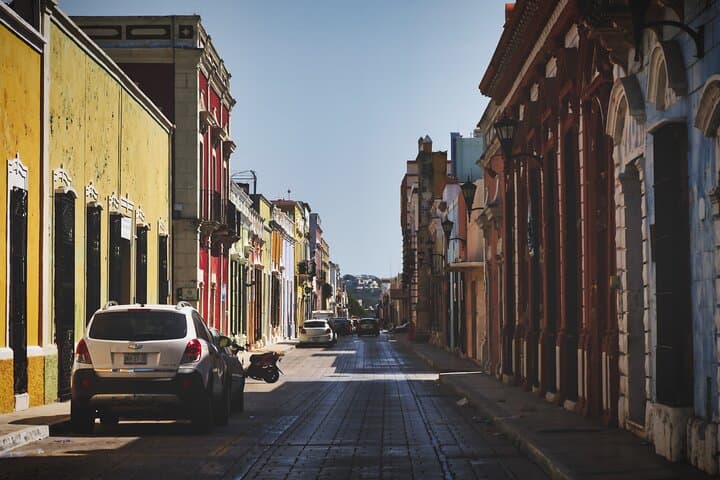
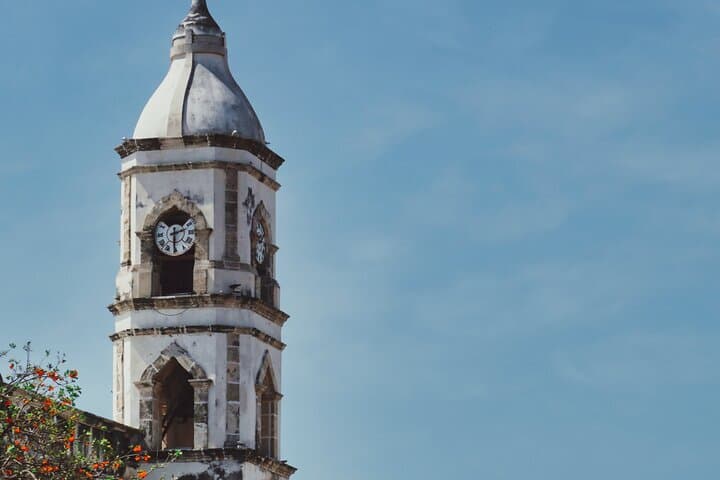
You start on a sun-warmed plaza, colonial facades throwing sharp shadows across flagstones as a sea breeze teases the city’s edges. The old ramparts curve away like a slow-moving guard; every bastion and gate feels like a line in a well-rehearsed story of defense and trade. Walking through Puerta de Tierra toward the cathedral, you can almost hear the cadence of horse hooves and the murmur of a port that once watched for sails and sabers.
You start on a sun-warmed plaza, colonial facades throwing sharp shadows across flagstones as a sea breeze teases the city’s edges. The old ramparts curve away like a slow-moving guard; every bastion and gate feels like a line in a well-rehearsed story of defense and trade. Walking through Puerta de Tierra toward the cathedral, you can almost hear the cadence of horse hooves and the murmur of a port that once watched for sails and sabers.
Campeche’s walls were raised in the 17th and 18th centuries after repeated pirate attacks, and the city’s layout still carries that military logic—streets that channel views to forts and the Gulf. Fort San Miguel and San José illustrate Spanish colonial fortress design and now host museums with Mayan artifacts and local art. The shoreline promenade, the Paseo del Malecón, and neighborhood churches such as Cristo Negro reveal everyday life that grew from that defensive core into a UNESCO-listed historic center.
Practical guidance: this is a low-impact, mostly on-foot tour with a comfortable vehicle segment to reach outlying forts. Expect five hours total; include a half-hour pickup window before the official start. Cobblestones and narrow sidewalks are common—bring supportive shoes and a sun hat. Hydrate in Campeche’s warm, humid climate and factor in museum visits when planning time. Photography is straightforward but be respectful in churches and exhibit spaces. If you want quieter moments, ask to linger at the boardwalk at golden hour, when the water dares you to slow down and watch the city exhale.