THE ADVENTURE COLLECTIVE® · Independent discovery and booking for outdoor travel

Taste Charleston’s past one bite at a time on this two-hour walking tour through the French Quarter and City Market. Expect Lowcountry classics, local cocktails, and a guide who links food to the city’s colonial, Civil War, and Gullah-Geechee stories.
Taste Charleston’s past one bite at a time on this two-hour walking tour through the French Quarter and City Market. Expect Lowcountry classics, local cocktails, and a guide who links food to the city’s colonial, Civil War, and Gullah-Geechee stories.
The cobblestones click underfoot as the harbor wind lifts the scent of frying shrimp and sweet tea—this is Charleston in motion. On a two-hour guided walk through the French Quarter and Market District, the city’s history arrives with each plate: colonial trade routes, Civil War-era streets, and the living traditions of the Gullah-Geechee community move between bites and cocktails.
Verified experiences and guided adventures in the surrounding area.
Operated by Revelry Tours of Charleston · Charleston, South Carolina
The cobblestones click underfoot as the harbor wind lifts the scent of frying shrimp and sweet tea—this is Charleston in motion. On a two-hour guided walk through the French Quarter and Market District, the city’s history arrives with each plate: colonial trade routes, Civil War-era streets, and the living traditions of the Gullah-Geechee community move between bites and cocktails.
Architecture here is a lesson in materials and time—brick townhouses, piazzas facing tidal waters, and narrow alleys that remember merchants and mariners. The geology of the Lowcountry is subtle but present: reclaimed marshland and sandy soils shape a city built to the rhythm of tides, while the Cooper and Ashley rivers have directed commerce and culture for centuries.
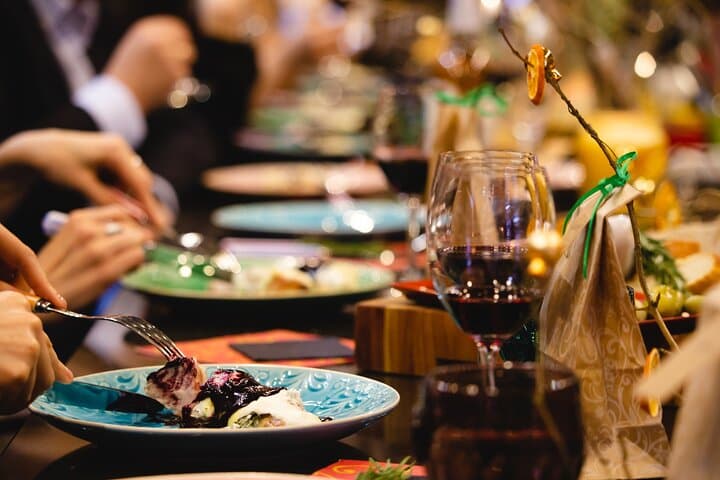
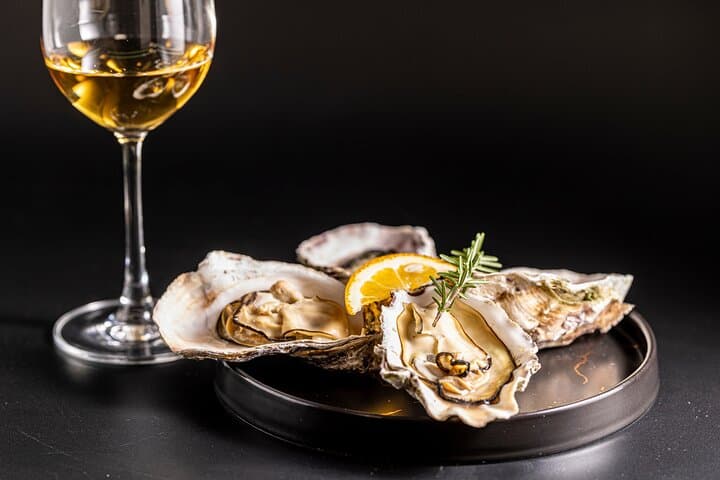
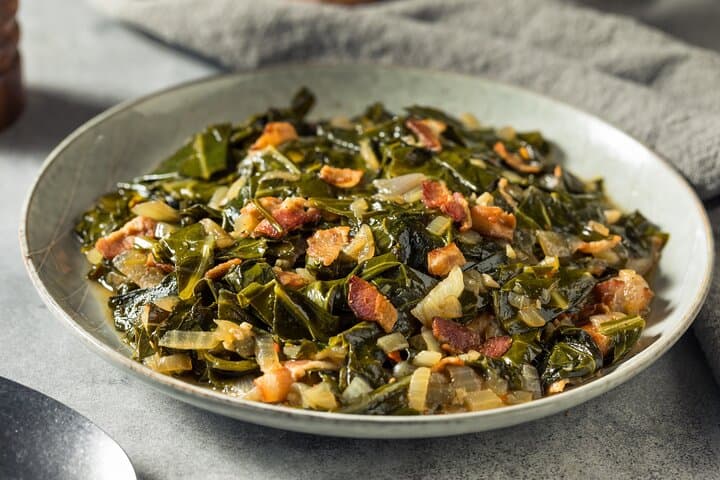
Culinary culture is where stories and flavors meet. Expect Lowcountry staples—shrimp and grits, benne wafers, pickled vegetables—served with commentary on sourcing, immigration, and African American culinary lineage. Guides point out local producers, talk about Prohibition-era bar lore, and explain how Charleston’s market economy evolved into today’s craft-beer and cocktail scene.
Practical guidance: bring a photo ID for bar entries, wear comfortable, closed-toe shoes for cobbles, and hydrate—Charleston humidity can climb fast. Tours move at a steady urban-pace with a few short stops and one longer market visit; plan to arrive 10 minutes early at the US Custom House meeting point. Weather can shift quickly along the waterfront—light layers and sun protection make the experience smoother. Leave room for seconds; this tour is as much about tasting as it is about knowing why the flavors matter.
easy.
2 hours.
Suitable for most people who can walk 1–2 miles at a steady pace; expect standing at tasting stops.
The tour includes selected alcoholic tastings at partner venues; guests must be 21+ and show valid ID for bar entries.
The operator lists the route as wheelchair accessible, but contact them ahead to confirm specific access needs and to arrange assistance.
Expect about 1–2 miles total over roughly two hours with frequent tasting stops and short standing periods.
The tour cannot guarantee allergy accommodations; notify the operator in advance and they will advise on suitability.
Charleston’s streets reflect colonial trade, antebellum wealth, and the deep cultural influence of the Gullah-Geechee people who preserved African culinary and craft traditions.
Historic preservation and coastal resilience are active priorities—visitors are encouraged to minimize waste, respect private properties, and support locally owned businesses.
Revelry Tours of Charleston operates guided outdoor trips and adventures with an emphasis on safety, stewardship, and memorable experiences.

The cobblestones click underfoot as the harbor wind lifts the scent of frying shrimp and sweet tea—this is Charleston in motion. On a two-hour guided walk through the French Quarter and Market District, the city’s history arrives with each plate: colonial trade routes, Civil War-era streets, and the living traditions of the Gullah-Geechee community move between bites and cocktails.
The cobblestones click underfoot as the harbor wind lifts the scent of frying shrimp and sweet tea—this is Charleston in motion. On a two-hour guided walk through the French Quarter and Market District, the city’s history arrives with each plate: colonial trade routes, Civil War-era streets, and the living traditions of the Gullah-Geechee community move between bites and cocktails.
Architecture here is a lesson in materials and time—brick townhouses, piazzas facing tidal waters, and narrow alleys that remember merchants and mariners. The geology of the Lowcountry is subtle but present: reclaimed marshland and sandy soils shape a city built to the rhythm of tides, while the Cooper and Ashley rivers have directed commerce and culture for centuries.
Culinary culture is where stories and flavors meet. Expect Lowcountry staples—shrimp and grits, benne wafers, pickled vegetables—served with commentary on sourcing, immigration, and African American culinary lineage. Guides point out local producers, talk about Prohibition-era bar lore, and explain how Charleston’s market economy evolved into today’s craft-beer and cocktail scene.
Practical guidance: bring a photo ID for bar entries, wear comfortable, closed-toe shoes for cobbles, and hydrate—Charleston humidity can climb fast. Tours move at a steady urban-pace with a few short stops and one longer market visit; plan to arrive 10 minutes early at the US Custom House meeting point. Weather can shift quickly along the waterfront—light layers and sun protection make the experience smoother. Leave room for seconds; this tour is as much about tasting as it is about knowing why the flavors matter.