THE ADVENTURE COLLECTIVE® · Independent discovery and booking for outdoor travel

Walk Bath’s Georgian streets at your own pace with an offline app guiding you from the Royal Crescent to the Roman Baths. Perfect for history lovers who want a flexible, informative two-hour route through this UNESCO World Heritage city.
Walk Bath’s Georgian streets at your own pace with an offline app guiding you from the Royal Crescent to the Roman Baths. Perfect for history lovers who want a flexible, informative two-hour route through this UNESCO World Heritage city.
You step off Bath’s stone curb and the city rearranges itself around you: broad Georgian facades lean into the light, cobbles click underfoot, and the river threads a slow, silvery line below Pulteney Bridge.
Verified experiences and guided adventures in the surrounding area.
Operated by Trippy Tour Guide · Bath, Somerset
You step off Bath’s stone curb and the city rearranges itself around you: broad Georgian facades lean into the light, cobbles click underfoot, and the river threads a slow, silvery line below Pulteney Bridge.
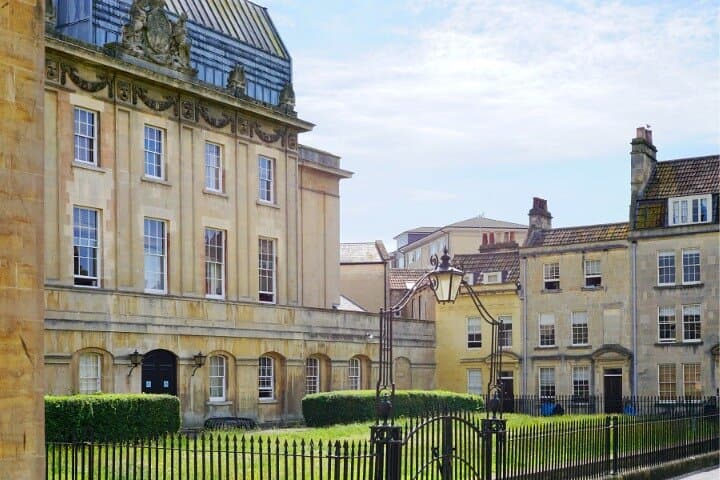
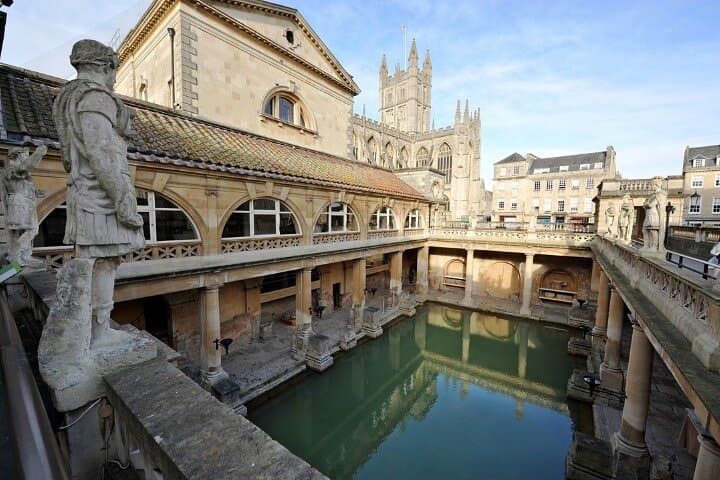
This two-hour, self-guided route traces layers of Bath’s history—Roman engineers who built baths over a warm spring, 18th-century visionaries John Wood the Elder and Younger shaping crescents and circles in Bathstone, and the Jane Austen era when the city was a social stage. The geology is simple and visible: pale oolitic limestone gives the buildings their warm, honey color and weathers into the soft cornices and steps you’ll touch.
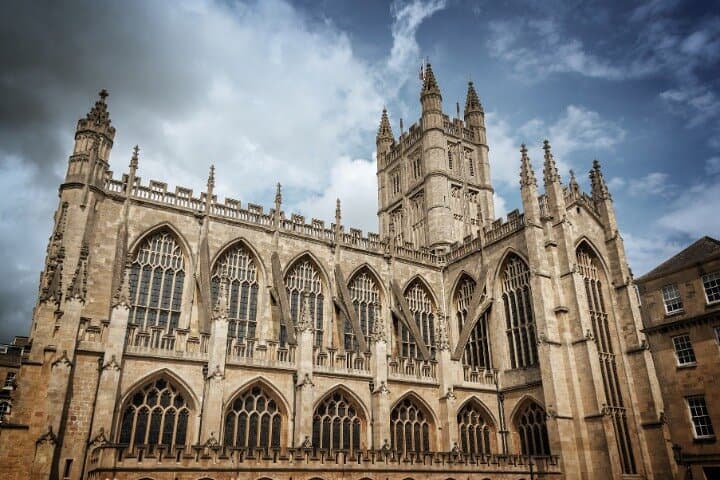
Culturally, the walk moves from civic life at Queen Square to the private elegance of the Royal Crescent, with detours past Bath Abbey’s Gothic west front and the intimate Sally Lunn kitchen tucked in a medieval lane. The Holburne Museum and Sydney Gardens show quieter corners where locals escape the tourist routes.
Practical note: the tour runs on the Trippy Tour Guide app with a fully offline map and 30+ narration points, so no data is required once downloaded. Expect uneven cobbles, short staircases and narrow lanes—good shoes matter. Start early to catch softer light and fewer crowds around the Roman Baths, and allow extra time if you plan to enter paid sites. Bring a compact rain layer: Bath’s weather changes quickly.
This route is straightforward, rich in architectural detail, and ideal for anyone wanting a measured, walkable introduction to a UNESCO World Heritage city.
easy.
2–3 hours.
Suitable for most fitness levels; requires steady walking on cobbles and short stair sections.
No — this is a self-guided tour delivered through the Trippy Tour Guide app; you follow narrated points and offline maps at your own pace.
No — site admissions are not included; the tour points out locations and history but you must buy entry tickets separately if you choose to go inside.
See previous answer
The tour’s standard policy allows a full refund if cancelled at least 24 hours before the scheduled time; check your booking confirmation for details.
Bath grew around thermal springs used since Roman times; its 18th-century expansion in Bathstone created the cohesive Georgian architecture you’ll see along the route.
Heavy foot traffic affects historic stone and fragile gardens—stay on paved paths, avoid touching carved stonework, and support local conservation by following site rules and using marked crossings.
Trippy Tour Guide operates guided outdoor trips and adventures with an emphasis on safety, stewardship, and memorable experiences.
You step off Bath’s stone curb and the city rearranges itself around you: broad Georgian facades lean into the light, cobbles click underfoot, and the river threads a slow, silvery line below Pulteney Bridge.
You step off Bath’s stone curb and the city rearranges itself around you: broad Georgian facades lean into the light, cobbles click underfoot, and the river threads a slow, silvery line below Pulteney Bridge.
This two-hour, self-guided route traces layers of Bath’s history—Roman engineers who built baths over a warm spring, 18th-century visionaries John Wood the Elder and Younger shaping crescents and circles in Bathstone, and the Jane Austen era when the city was a social stage. The geology is simple and visible: pale oolitic limestone gives the buildings their warm, honey color and weathers into the soft cornices and steps you’ll touch.
Culturally, the walk moves from civic life at Queen Square to the private elegance of the Royal Crescent, with detours past Bath Abbey’s Gothic west front and the intimate Sally Lunn kitchen tucked in a medieval lane. The Holburne Museum and Sydney Gardens show quieter corners where locals escape the tourist routes.
Practical note: the tour runs on the Trippy Tour Guide app with a fully offline map and 30+ narration points, so no data is required once downloaded. Expect uneven cobbles, short staircases and narrow lanes—good shoes matter. Start early to catch softer light and fewer crowds around the Roman Baths, and allow extra time if you plan to enter paid sites. Bring a compact rain layer: Bath’s weather changes quickly.
This route is straightforward, rich in architectural detail, and ideal for anyone wanting a measured, walkable introduction to a UNESCO World Heritage city.