THE ADVENTURE COLLECTIVE® · Independent discovery and booking for outdoor travel

Explore Bath’s Washington Street Federal Historic District on a guided 90-minute walk that traces 19th‑century shipbuilding wealth through Federal, Greek Revival, Italianate, Queen Anne and Colonial Revival homes. Learn architectural details, family stories, and local tips to continue your coastal Maine visit.
Explore Bath’s Washington Street Federal Historic District on a guided 90-minute walk that traces 19th‑century shipbuilding wealth through Federal, Greek Revival, Italianate, Queen Anne and Colonial Revival homes. Learn architectural details, family stories, and local tips to continue your coastal Maine visit.
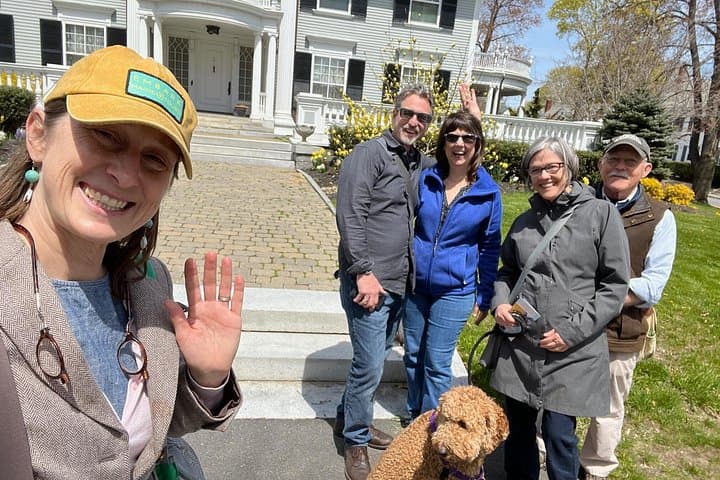
You step out of the small park and the Patten Free Library gazebo frames the first view: a stretch of Washington Street lined with tall facades, clapboard and brick catching the low New England sun.
Verified experiences and guided adventures in the surrounding area.
Operated by Embark Maine Tours · Bath, Maine
You step out of the small park and the Patten Free Library gazebo frames the first view: a stretch of Washington Street lined with tall facades, clapboard and brick catching the low New England sun.
Bath was a 19th-century shipbuilding powerhouse; the street’s mansions reflect that era’s fortunes in Federal, Greek Revival, Italianate, Queen Anne and Colonial Revival detail. The district reads like an illustrated ledger of maritime wealth — carved doorways, widow’s walks, and porches that once watched ships slip down the Kennebec River. Geologically the coast here is glaciated bedrock and tidal inlets; culturally the town balances working shipyards with preservation-minded residents and a small but lively arts scene.
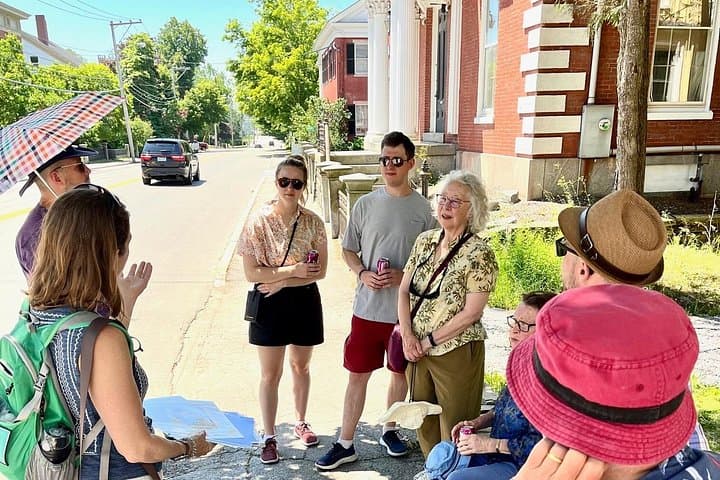
A guided 1.5-mile, 90-minute amble led by a local educator weaves social history and architecture together: builders, captains, their families, and the seasonal rhythms that shaped Bath’s waterfront economy. You’ll pass a Romanesque library from the 1880s and a Gothic church from the 1840s — each stop offers period photos and stories that clarify alterations and restorations through time.
Practical guidance: the route is mostly paved with a slight uphill grade; it’s wheelchair accessible but expect some curbs. Bring sturdy walking shoes, a weather layer, and a camera for museum-quality exteriors. Morning tours give cooler light and quieter streets; late spring through fall provides the most comfortable conditions. Guides also share tips for museums, dining, and where to view active shipbuilding from a respectful distance. The tour is compact, rich in detail, and ideal for travelers who want history with a straightforward, walkable pace.
easy.
1.5 hours.
Suitable for most fitness levels; comfortable walking ability and basic mobility recommended.
The guided tour is approximately 90 minutes and covers about 1.5 miles round trip with a slight uphill section.
Yes—routes and surfaces are wheelchair accessible, though some street curbs exist; contact the operator for specific needs.
Meet at the gazebo in the park at the Patten Free Library in downtown Bath; the guide checks in there before departure.
No—this is an exterior walking tour focused on architecture, history, and period photos; interiors are private unless a public building visit is specified.
Bath earned its reputation in the 19th century as a major shipbuilding center; the fortunes from wooden ship construction are written into the town’s grand residential architecture.
Local groups focus on preserving historic façades and promoting responsible tourism—stay on sidewalks, avoid private property, and support nearby museums and businesses.
Embark Maine Tours operates guided outdoor trips and adventures with an emphasis on safety, stewardship, and memorable experiences.


You step out of the small park and the Patten Free Library gazebo frames the first view: a stretch of Washington Street lined with tall facades, clapboard and brick catching the low New England sun.
You step out of the small park and the Patten Free Library gazebo frames the first view: a stretch of Washington Street lined with tall facades, clapboard and brick catching the low New England sun.
Bath was a 19th-century shipbuilding powerhouse; the street’s mansions reflect that era’s fortunes in Federal, Greek Revival, Italianate, Queen Anne and Colonial Revival detail. The district reads like an illustrated ledger of maritime wealth — carved doorways, widow’s walks, and porches that once watched ships slip down the Kennebec River. Geologically the coast here is glaciated bedrock and tidal inlets; culturally the town balances working shipyards with preservation-minded residents and a small but lively arts scene.
A guided 1.5-mile, 90-minute amble led by a local educator weaves social history and architecture together: builders, captains, their families, and the seasonal rhythms that shaped Bath’s waterfront economy. You’ll pass a Romanesque library from the 1880s and a Gothic church from the 1840s — each stop offers period photos and stories that clarify alterations and restorations through time.
Practical guidance: the route is mostly paved with a slight uphill grade; it’s wheelchair accessible but expect some curbs. Bring sturdy walking shoes, a weather layer, and a camera for museum-quality exteriors. Morning tours give cooler light and quieter streets; late spring through fall provides the most comfortable conditions. Guides also share tips for museums, dining, and where to view active shipbuilding from a respectful distance. The tour is compact, rich in detail, and ideal for travelers who want history with a straightforward, walkable pace.