THE ADVENTURE COLLECTIVE® · Independent discovery and booking for outdoor travel

Walk historic mountain roads from Arima Onsen with a private guide, passing carbonated springs, a gazebo-marked tea-house site, Taiko Waterfall and a viewpoint over the Tamba ranges. This 2–3 hour guided hike blends geology, onsen history and easy forest trails.
Walk historic mountain roads from Arima Onsen with a private guide, passing carbonated springs, a gazebo-marked tea-house site, Taiko Waterfall and a viewpoint over the Tamba ranges. This 2–3 hour guided hike blends geology, onsen history and easy forest trails.
You step off at Arima Onsen Station and the air smells faintly of mineral springs; moss-soft trails climb away from the town while steam from carbonated sources hisses below. Over the next two-and-a-half hours a guide leads you along old mountain roads—Totoya and Fudeya—that once carried traders and pilgrims between Kobe and the inland Tamba region.
Verified experiences and guided adventures in the surrounding area.
Operated by YuYu Tours · Kobe, Hyogo Prefecture
You step off at Arima Onsen Station and the air smells faintly of mineral springs; moss-soft trails climb away from the town while steam from carbonated sources hisses below. Over the next two-and-a-half hours a guide leads you along old mountain roads—Totoya and Fudeya—that once carried traders and pilgrims between Kobe and the inland Tamba region.
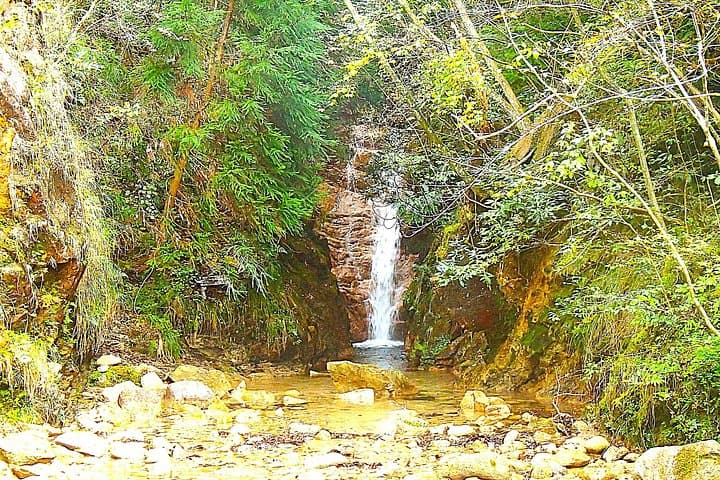
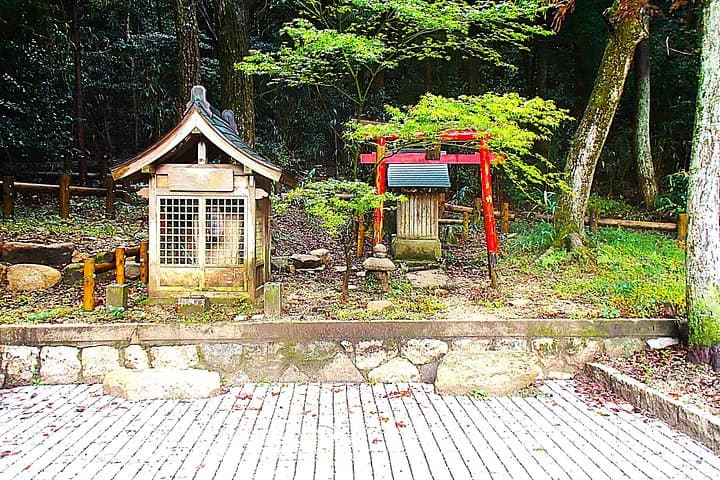
The route threads volcanic bedrock and layered sandstone, where hot springs seep from deep faults and small cascades like Taiko Waterfall cut through rocky ledges. Along the way you pass Mushi-jigoku, the historic carbonated spring sites that helped establish Arima’s reputation as one of Japan’s oldest onsen towns, and a former tea-house site now marked by a wooden gazebo. The forest itself feels deliberate—pines and broadleaf stands that locals call a “healing forest,” home to active birdlife and occasional macaques.
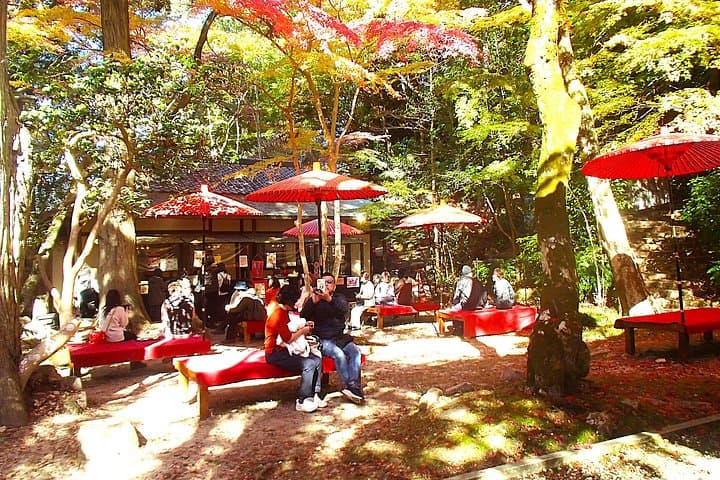
Practical guide: expect mostly dirt and stone trails with short stair sections and an overall elevation gain around 200–350 m over roughly 5–7 km round trip, paced with interpretive stops. The tour starts steps from Arima Rokko Ropeway station and finishes at Zuihouji Park, a popular autumn-leaf viewpoint with restroom access and transit connections back to town.
Gear and timing matter: sturdy closed-toe footwear, a small daypack with water, and a lightweight rain layer will cover most weather. Because the walk uses historic routes and tight paths, travelers with spinal, pregnancy, or serious cardiovascular restrictions are advised to sit this one out. Morning light or late-afternoon sun brings the best views across the Tamba ranges.
moderate.
2–3 hours.
Suitable for regular walkers comfortable on uneven terrain and short climbs; not strenuous but requires steady footing.
The tour starts a short 5-minute walk from Arima Onsen Station (Arima Rokko Ropeway) and ends at Zuihouji Park, where you can access local transit back to town.
Yes—this private tour is designed for a wide range of fitness levels, but paths include uneven surfaces and stairs; accompany young children and notify the operator about ages when booking.
Restrooms are available at the trailhead area in Arima Onsen and at Zuihouji Park; there are limited facilities mid-route, so plan accordingly.
The tour listing advises it’s not recommended for pregnant travelers or those with spinal or serious cardiovascular conditions; contact the operator to discuss specific concerns before booking.
The Totoya and Fudeya routes are historic mountain roads used for centuries by traders and pilgrims connecting Kobe with inland Tamba; Arima Onsen itself is one of Japan’s oldest hot-spring resorts.
Stay on marked trails to protect root systems and spring sources; pack out waste and avoid introducing soaps or contaminants near onsen-fed waterways.
YuYu Tours operates guided outdoor trips and adventures with an emphasis on safety, stewardship, and memorable experiences.

You step off at Arima Onsen Station and the air smells faintly of mineral springs; moss-soft trails climb away from the town while steam from carbonated sources hisses below. Over the next two-and-a-half hours a guide leads you along old mountain roads—Totoya and Fudeya—that once carried traders and pilgrims between Kobe and the inland Tamba region.
You step off at Arima Onsen Station and the air smells faintly of mineral springs; moss-soft trails climb away from the town while steam from carbonated sources hisses below. Over the next two-and-a-half hours a guide leads you along old mountain roads—Totoya and Fudeya—that once carried traders and pilgrims between Kobe and the inland Tamba region.
The route threads volcanic bedrock and layered sandstone, where hot springs seep from deep faults and small cascades like Taiko Waterfall cut through rocky ledges. Along the way you pass Mushi-jigoku, the historic carbonated spring sites that helped establish Arima’s reputation as one of Japan’s oldest onsen towns, and a former tea-house site now marked by a wooden gazebo. The forest itself feels deliberate—pines and broadleaf stands that locals call a “healing forest,” home to active birdlife and occasional macaques.
Practical guide: expect mostly dirt and stone trails with short stair sections and an overall elevation gain around 200–350 m over roughly 5–7 km round trip, paced with interpretive stops. The tour starts steps from Arima Rokko Ropeway station and finishes at Zuihouji Park, a popular autumn-leaf viewpoint with restroom access and transit connections back to town.
Gear and timing matter: sturdy closed-toe footwear, a small daypack with water, and a lightweight rain layer will cover most weather. Because the walk uses historic routes and tight paths, travelers with spinal, pregnancy, or serious cardiovascular restrictions are advised to sit this one out. Morning light or late-afternoon sun brings the best views across the Tamba ranges.