THE ADVENTURE COLLECTIVE® · Independent discovery and booking for outdoor travel

Explore Annapolis’s colonial streets and the U.S. Naval Academy on a private half-day bus tour. Expect historic buildings, bay views and expert local narration that places America’s sailing capital in context.
Explore Annapolis’s colonial streets and the U.S. Naval Academy on a private half-day bus tour. Expect historic buildings, bay views and expert local narration that places America’s sailing capital in context.
You step off the air-conditioned bus onto a brick street that smells faintly of sea salt and frying oysters; Annapolis unfolds as a working harbor, colonial town square and Naval campus all at once. The city’s wooden piers and low-slung brick houses frame views across the Chesapeake Bay, while the Naval Academy’s parade grounds and white buildings assert a disciplined, lived-in presence.
Verified experiences and guided adventures in the surrounding area.
Operated by Monumental Tours Inc. · Annapolis, Maryland
You step off the air-conditioned bus onto a brick street that smells faintly of sea salt and frying oysters; Annapolis unfolds as a working harbor, colonial town square and Naval campus all at once. The city’s wooden piers and low-slung brick houses frame views across the Chesapeake Bay, while the Naval Academy’s parade grounds and white buildings assert a disciplined, lived-in presence.
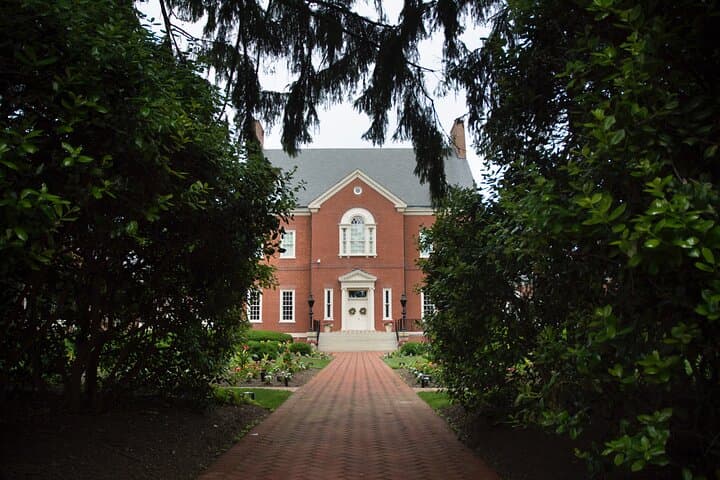
Annapolis’s streets date back to the 18th century. The Maryland State House (1772) is the nation’s oldest state capitol still in continuous use and briefly served as the U.S. capital in the 1780s. The Naval Academy, founded in 1845, is a National Historic Landmark and a living school of seamanship and service. Many of the private homes you’ll pass were built in the Georgian and Federal styles between 1769–1774, reflecting Annapolis’s role as a colonial port and later as a center for early American learning.
Geologically, the area is a low coastal plain—salt marshes and tidal creeks shape the shoreline and give the town its maritime character; currents and bay breezes often set the rhythm of a walking visit. Culturally, downtown Annapolis mixes seafood restaurants, sail lofts and museums; Eastport, across Spa Creek, offers a grittier, local perspective.
Practical guidance: plan for a roughly five-hour window, bring comfortable walking shoes for uneven brick and dock surfaces, and layer for the bay breeze. Photography is prime near the State House and Naval Academy grounds; guided commentary fills in historic context but check accessibility notes if mobility assistance is required. Aim for morning light for clearer views, and allow time for a short lunch or shopping stop in the historic district.
easy.
5 hours.
Suitable for most fitness levels; involves short walks, light standing and boarding a small private vehicle.
No — the tour provides guided stops and exterior visits; check the operator for options if you want formal admissions or guided interior access.
The tour notes it is not wheelchair accessible; contact the operator about specific mobility needs and pickup arrangements.
Morning departures offer softer light and calmer traffic; afternoons are fine but can be busier in peak season.
Infants and small children can ride in a pram or stroller, but be prepared for walking segments and stairs at some stops.
Annapolis served as the U.S. capital under the Articles of Confederation in 1783–84 and retains many original colonial and early federal buildings.
The Chesapeake Bay’s health is central to Annapolis’s future—look for local efforts to reduce runoff and support bay grasses when visiting waterfront areas.
Monumental Tours Inc. operates guided outdoor trips and adventures with an emphasis on safety, stewardship, and memorable experiences.

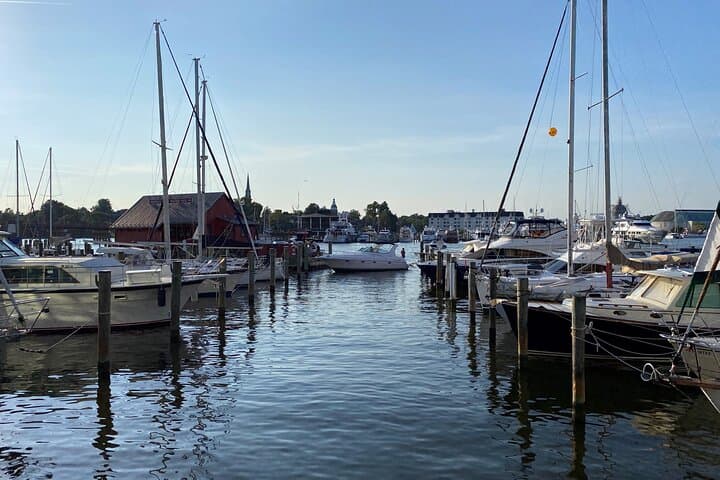
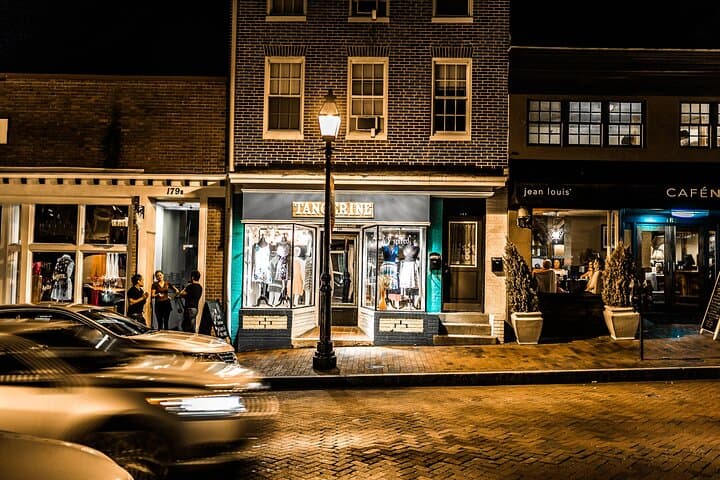
You step off the air-conditioned bus onto a brick street that smells faintly of sea salt and frying oysters; Annapolis unfolds as a working harbor, colonial town square and Naval campus all at once. The city’s wooden piers and low-slung brick houses frame views across the Chesapeake Bay, while the Naval Academy’s parade grounds and white buildings assert a disciplined, lived-in presence.
You step off the air-conditioned bus onto a brick street that smells faintly of sea salt and frying oysters; Annapolis unfolds as a working harbor, colonial town square and Naval campus all at once. The city’s wooden piers and low-slung brick houses frame views across the Chesapeake Bay, while the Naval Academy’s parade grounds and white buildings assert a disciplined, lived-in presence.
Annapolis’s streets date back to the 18th century. The Maryland State House (1772) is the nation’s oldest state capitol still in continuous use and briefly served as the U.S. capital in the 1780s. The Naval Academy, founded in 1845, is a National Historic Landmark and a living school of seamanship and service. Many of the private homes you’ll pass were built in the Georgian and Federal styles between 1769–1774, reflecting Annapolis’s role as a colonial port and later as a center for early American learning.
Geologically, the area is a low coastal plain—salt marshes and tidal creeks shape the shoreline and give the town its maritime character; currents and bay breezes often set the rhythm of a walking visit. Culturally, downtown Annapolis mixes seafood restaurants, sail lofts and museums; Eastport, across Spa Creek, offers a grittier, local perspective.
Practical guidance: plan for a roughly five-hour window, bring comfortable walking shoes for uneven brick and dock surfaces, and layer for the bay breeze. Photography is prime near the State House and Naval Academy grounds; guided commentary fills in historic context but check accessibility notes if mobility assistance is required. Aim for morning light for clearer views, and allow time for a short lunch or shopping stop in the historic district.