THE ADVENTURE COLLECTIVE® · Independent discovery and booking for outdoor travel

Two days that pair Accra’s energetic street life with the solemn reminder of Cape Coast Castle. This guided tour moves from market alleys and museums to coastal forts, combining cultural immersion with historical reflection.
Two days that pair Accra’s energetic street life with the solemn reminder of Cape Coast Castle. This guided tour moves from market alleys and museums to coastal forts, combining cultural immersion with historical reflection.
You step out into Accra’s humid morning—street vendors arranging mangoes, tro-tros humming, and the Black Star Gate cutting a bold silhouette against the sky. The first day moves through marketplaces and memorials: Makola’s frenetic stalls, the quiet reverence of the Kwame Nkrumah Museum, and a hands-on drum session that literally puts the city’s rhythm in your palms.
Verified experiences and guided adventures in the surrounding area.
Operated by Nsroma Adventures · Accra, Greater Accra Region
You step out into Accra’s humid morning—street vendors arranging mangoes, tro-tros humming, and the Black Star Gate cutting a bold silhouette against the sky. The first day moves through marketplaces and memorials: Makola’s frenetic stalls, the quiet reverence of the Kwame Nkrumah Museum, and a hands-on drum session that literally puts the city’s rhythm in your palms.
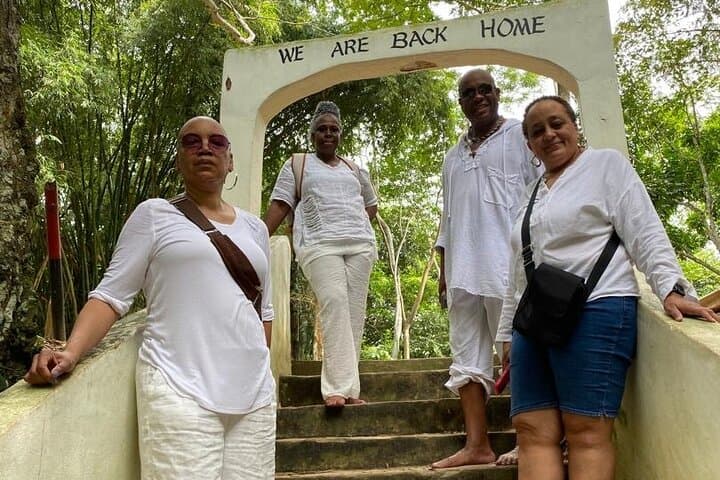
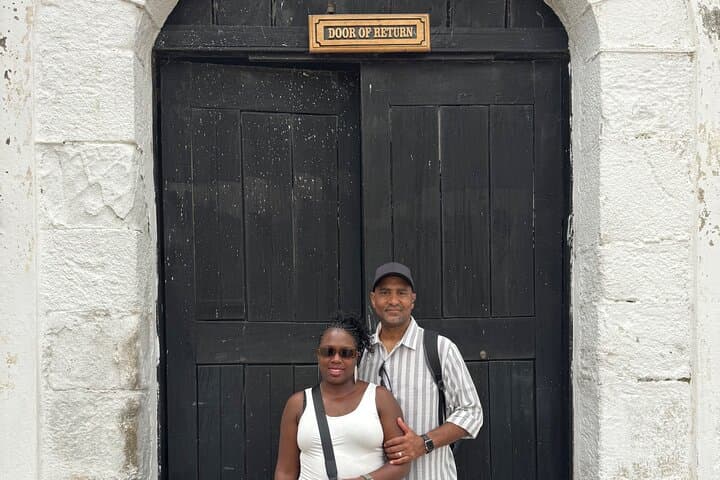
On day two the coastline shifts the mood. Cape Coast Castle sits low and rugged where Atlantic tides have worn sandstone and laterite into sharp contours. Inside, the castle’s upper chambers and the chilling Door of No Return tell a layered story of commerce, empire, and human endurance; the Assin Manso River Park spots another, more intimate chapter of memory and return.
This itinerary stitches history and culture with practical travel: Accra’s colonial and post‑independence landmarks explain Ghana’s role as the first sub‑Saharan nation to gain independence in 1957, while forts along the coast mark nodes of the transatlantic slave trade. Geologically the coast is a band of sandy beaches, rocky headlands and eroded castles that face the Gulf of Guinea’s steady swell.
Plan for heat, humidity and emotional content. Wear closed-toe shoes for castle stairways, bring water and a hat, and budget time for slow reflection at memorial sites. Expect guided transport between cities (about 2–3 hours each way), modest admission fees, and opportunities to buy artisan textiles and local food.
Travel here is both outward and inward: vibrant city life pushing you forward, and the coast pulling you into quiet remembrance. Move respectfully, listen to guides, and leave space for the places that ask you to pause.
easy.
2 days (approx. 8–10 hours per day).
Suitable for most fitness levels; requires walking on uneven castle steps and standing during museum visits.
The transfer is typically 2–3 hours each way depending on traffic and road conditions; expect a full day for the Cape Coast portion including site visits.
Some tour packages include admissions; confirm with your operator—this itinerary lists admissions as included for the main sites.
The tour is family-friendly but castle dungeons and staircases are narrow and uneven; those with mobility limitations should check accessibility in advance.
Guides commonly speak English; local guides may also use Akan (Twi) or Ga for cultural context—ask your operator if you need another language.
Ghana led the wave of African independence in 1957; its coastal forts—many converted to museums—document centuries of trade and the transatlantic slave routes.
Respect fragile historic sites by following guide instructions, avoiding touching artifacts, and supporting community-led initiatives; responsible souvenir shopping helps local craft economies.
Nsroma Adventures operates guided outdoor trips and adventures with an emphasis on safety, stewardship, and memorable experiences.
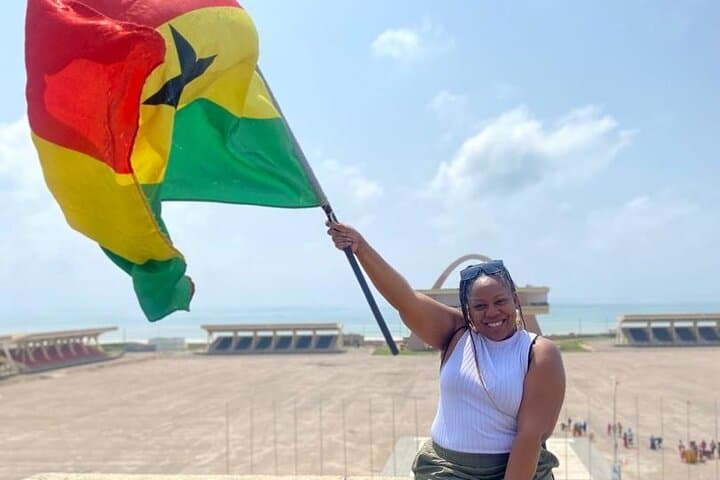
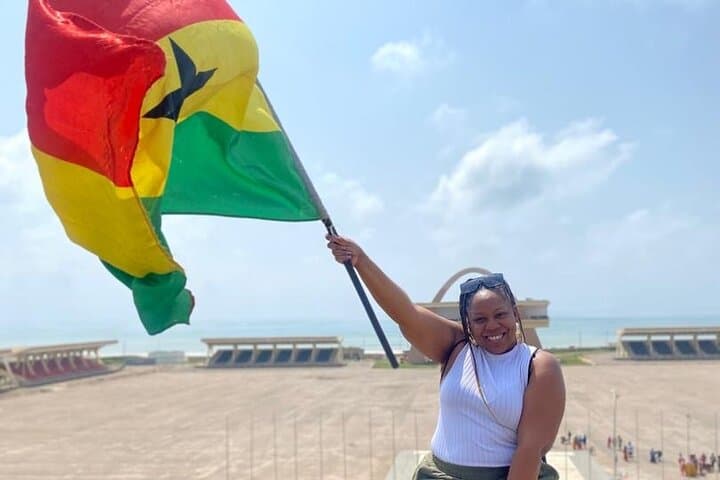
You step out into Accra’s humid morning—street vendors arranging mangoes, tro-tros humming, and the Black Star Gate cutting a bold silhouette against the sky. The first day moves through marketplaces and memorials: Makola’s frenetic stalls, the quiet reverence of the Kwame Nkrumah Museum, and a hands-on drum session that literally puts the city’s rhythm in your palms.
You step out into Accra’s humid morning—street vendors arranging mangoes, tro-tros humming, and the Black Star Gate cutting a bold silhouette against the sky. The first day moves through marketplaces and memorials: Makola’s frenetic stalls, the quiet reverence of the Kwame Nkrumah Museum, and a hands-on drum session that literally puts the city’s rhythm in your palms.
On day two the coastline shifts the mood. Cape Coast Castle sits low and rugged where Atlantic tides have worn sandstone and laterite into sharp contours. Inside, the castle’s upper chambers and the chilling Door of No Return tell a layered story of commerce, empire, and human endurance; the Assin Manso River Park spots another, more intimate chapter of memory and return.
This itinerary stitches history and culture with practical travel: Accra’s colonial and post‑independence landmarks explain Ghana’s role as the first sub‑Saharan nation to gain independence in 1957, while forts along the coast mark nodes of the transatlantic slave trade. Geologically the coast is a band of sandy beaches, rocky headlands and eroded castles that face the Gulf of Guinea’s steady swell.
Plan for heat, humidity and emotional content. Wear closed-toe shoes for castle stairways, bring water and a hat, and budget time for slow reflection at memorial sites. Expect guided transport between cities (about 2–3 hours each way), modest admission fees, and opportunities to buy artisan textiles and local food.
Travel here is both outward and inward: vibrant city life pushing you forward, and the coast pulling you into quiet remembrance. Move respectfully, listen to guides, and leave space for the places that ask you to pause.