THE ADVENTURE COLLECTIVE® · Independent discovery and booking for outdoor travel

Walk Salem’s streets with a historian who places the 1692 trials in legal, social, and maritime context. This two-hour, adult-focused walking tour visits the Witch House, jail sites, and cemeteries while offering measured, evidence-based storytelling.
Walk Salem’s streets with a historian who places the 1692 trials in legal, social, and maritime context. This two-hour, adult-focused walking tour visits the Witch House, jail sites, and cemeteries while offering measured, evidence-based storytelling.
Evening light skims the red-brick sidewalks on Essex Street as the guide gathers the group across from the Witch House. The air here tastes faintly of harbor salt and old mortar; cobbles remember carriage wheels and whispered accusations. A trained historian leads, voice steady, inviting visitors to look closely at doorways, grave markers, and the small details that ordinary tours pass by.
Verified experiences and guided adventures in the surrounding area.
Operated by Krystina Yeager · Salem, Massachusetts
Evening light skims the red-brick sidewalks on Essex Street as the guide gathers the group across from the Witch House. The air here tastes faintly of harbor salt and old mortar; cobbles remember carriage wheels and whispered accusations. A trained historian leads, voice steady, inviting visitors to look closely at doorways, grave markers, and the small details that ordinary tours pass by.
The tour traces Salem’s 17th-century rupture—the 1692 witchcraft prosecutions—setting events against local colonial life, Puritan legal practice, and the maritime economy that shaped the town. Geology and place matter: Salem sits on a glaciated coastal plain whose harbor and trade routes accelerated social change and brought outsiders whose presence inflamed local tensions. Cultural context—gender roles, property disputes, and religious authority—frames stories of Bridget Bishop, Giles Corey, and others. The route pauses at the Old Witch Gaol site, the old county jail location, and a quiet burial plot where names and dates force a reckoning.
Practically, expect about two hours of standing and short walks on uneven brick and stone; groups are small and the tour is adult-focused due to frank discussions of injustice, executions, and abuse. Dress in layers, bring a bottle, and arrive early to locate the meeting point by the Witch House at 310 Essex St. The guide’s podcast offers preparatory episodes to listen to beforehand. This tour rewards curiosity: ask about court records, archaeology, and how memory is preserved here, but also move gently through places that are both historic and still very real for descendants of the accused.
easy.
2 hours.
Light walking and standing; suitable for most fitness levels but requires mobility for short distances
The content covers executions and mistreatment and is labeled as an adult tour; guardians should use discretion—older teens who can handle mature historical topics may find it appropriate.
Meet across from the Witch House at 310 Essex Street in Salem; arrive 10–15 minutes early to find the small bricked meeting area.
Yes—the operator lists wheelchair accessibility, but some historic sites and sidewalks are uneven; contact the operator in advance for specific accommodations.
Full refunds are available if canceled at least 24 hours before the scheduled departure; the tour may be canceled for bad weather or insufficient travelers.
Salem’s 1692 trials occurred in a broader context of colonial strife—religious orthodoxy, property disputes, and an active maritime economy all shaped accusations and court outcomes.
Historic structures and memorials are actively preserved; visitors should stay on designated paths, avoid touching fragile stonework, and respect memorial spaces.
Krystina Yeager operates guided outdoor trips and adventures with an emphasis on safety, stewardship, and memorable experiences.
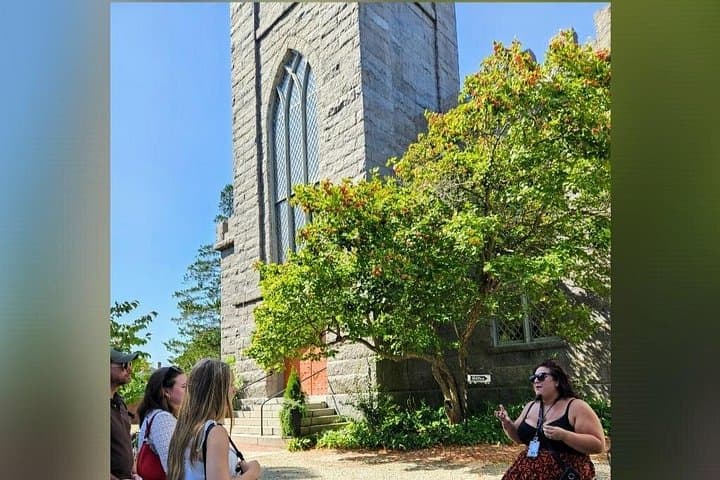
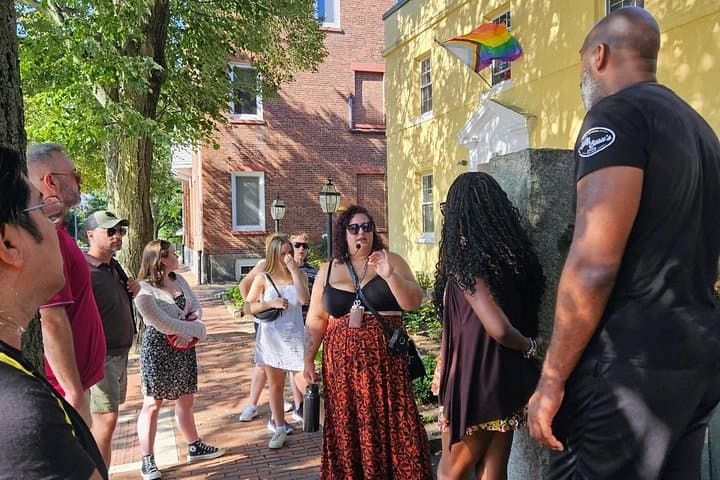
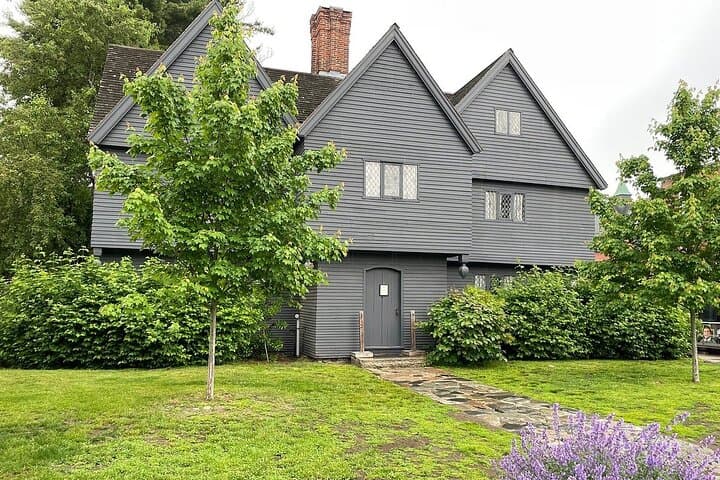
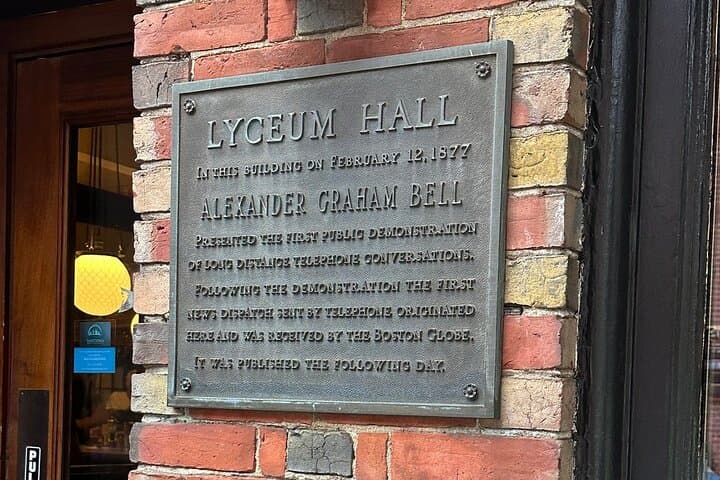
Evening light skims the red-brick sidewalks on Essex Street as the guide gathers the group across from the Witch House. The air here tastes faintly of harbor salt and old mortar; cobbles remember carriage wheels and whispered accusations. A trained historian leads, voice steady, inviting visitors to look closely at doorways, grave markers, and the small details that ordinary tours pass by.
Evening light skims the red-brick sidewalks on Essex Street as the guide gathers the group across from the Witch House. The air here tastes faintly of harbor salt and old mortar; cobbles remember carriage wheels and whispered accusations. A trained historian leads, voice steady, inviting visitors to look closely at doorways, grave markers, and the small details that ordinary tours pass by.
The tour traces Salem’s 17th-century rupture—the 1692 witchcraft prosecutions—setting events against local colonial life, Puritan legal practice, and the maritime economy that shaped the town. Geology and place matter: Salem sits on a glaciated coastal plain whose harbor and trade routes accelerated social change and brought outsiders whose presence inflamed local tensions. Cultural context—gender roles, property disputes, and religious authority—frames stories of Bridget Bishop, Giles Corey, and others. The route pauses at the Old Witch Gaol site, the old county jail location, and a quiet burial plot where names and dates force a reckoning.
Practically, expect about two hours of standing and short walks on uneven brick and stone; groups are small and the tour is adult-focused due to frank discussions of injustice, executions, and abuse. Dress in layers, bring a bottle, and arrive early to locate the meeting point by the Witch House at 310 Essex St. The guide’s podcast offers preparatory episodes to listen to beforehand. This tour rewards curiosity: ask about court records, archaeology, and how memory is preserved here, but also move gently through places that are both historic and still very real for descendants of the accused.