THE ADVENTURE COLLECTIVE® · Independent discovery and booking for outdoor travel

Spend a private day with a local guide exploring Hiroshima’s Peace Park and the spiritual island of Miyajima. This customizable full-day walking tour combines history, forested climbs, and coastal culture with practical local knowledge.
Spend a private day with a local guide exploring Hiroshima’s Peace Park and the spiritual island of Miyajima. This customizable full-day walking tour combines history, forested climbs, and coastal culture with practical local knowledge.
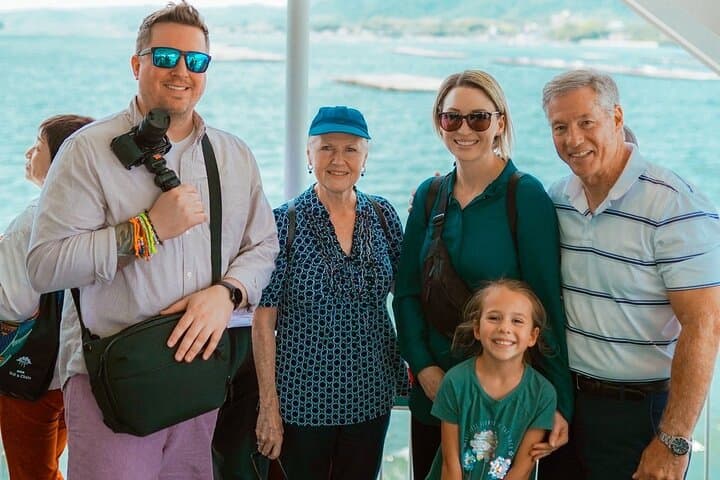
You meet in front of the Starbucks at Hiroshima Station and the city opens like a book—tram lines clacking, the Peace Park skyline ahead, and the Seto Inland Sea glinting toward Miyajima. A local guide leads the way, threading together the city’s modern pulse with quieter corners: stone memorials, a stroll through Shukkeien Garden, then the short ferry that puts the iconic torii gate and forested slopes of Mount Misen within reach.
Verified experiences and guided adventures in the surrounding area.
Operated by Travel Japan Together Tokyo · Hiroshima, Hiroshima
You meet in front of the Starbucks at Hiroshima Station and the city opens like a book—tram lines clacking, the Peace Park skyline ahead, and the Seto Inland Sea glinting toward Miyajima. A local guide leads the way, threading together the city’s modern pulse with quieter corners: stone memorials, a stroll through Shukkeien Garden, then the short ferry that puts the iconic torii gate and forested slopes of Mount Misen within reach.
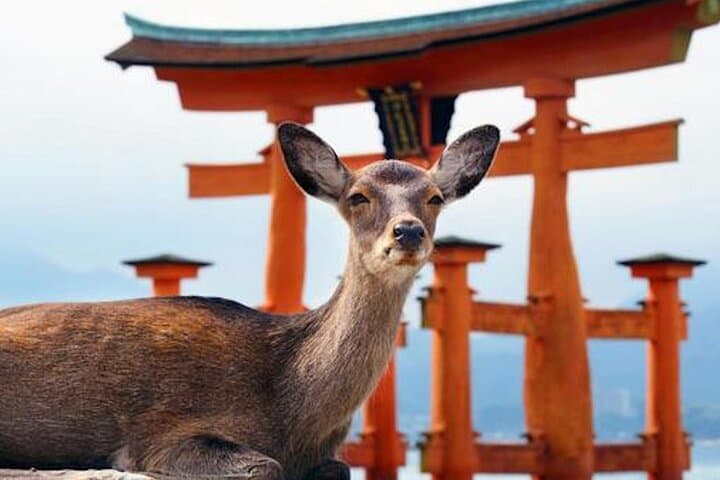
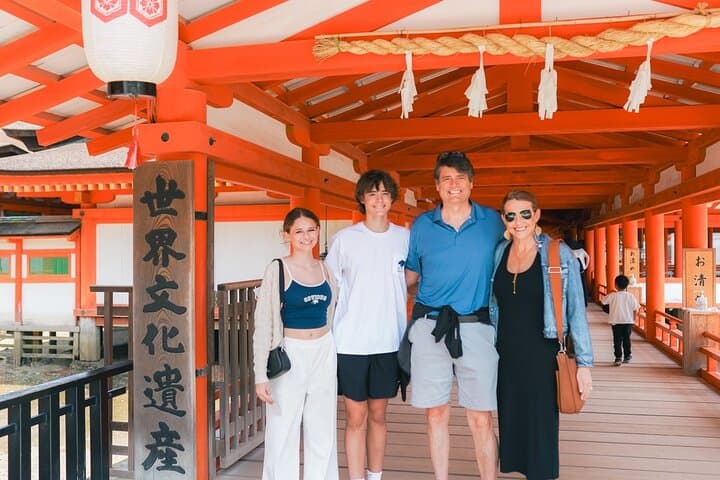
History is never far here. Hiroshima’s Peace Memorial Park and the Atomic Bomb Dome are sober chapters in a story of destruction and rebuilding; plaques and the museum ground the visit in survivor testimony and postwar peace movements. Crossing to Itsukushima Shrine, you enter Shinto ritual and timber architecture—its “floating” torii reads differently as tide and light change. Geology and geography shape both places: the sheltered Seto Inland Sea creates calm ferry crossings, while Miyajima’s steep, wooded slopes reward short hikes with broad views across a scattering of islands.
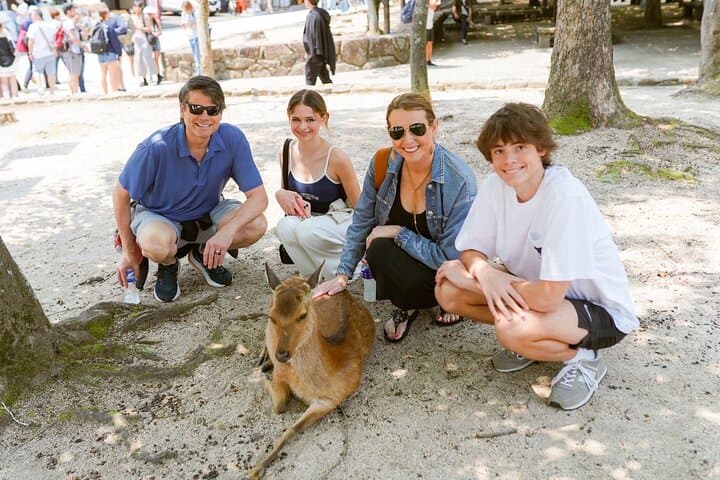
Local culture surfaces in food stalls selling grilled oysters and momiji manju, in the approachable sika deer that roam the streets, and in small neighborhood shrines missed by larger groups. Guides can adapt the day—more history, more hiking, or a relaxed pace for photography and food.
Practical guidance: allow seven hours, bring an IC card or small cash, wear sturdy walking shoes for uneven temple approaches and Mount Misen trails, and carry water and sun protection. Observe quiet at memorials and follow local signage around wildlife and shrine spaces for a respectful, richer visit.
moderate.
7 hours.
Suitable for most travelers with basic stamina; expect several hours of walking and short steep sections if you hike Mount Misen.
Your guide typically uses public transport: a short tram or train to Miyajimaguchi, then a 10-minute ferry to the island—tickets purchased on site or with an IC card.
Parts of Hiroshima’s Peace Park and Shukkeien Garden are accessible; Miyajima’s main shrine approaches and some streets are accessible, but Mount Misen trails are steep and not suitable for wheelchairs.
Admissions are generally not included by default—your guide can advise on entry fees and purchasing tickets for the Peace Memorial Museum or castle if you choose to visit inside.
Yes—the tour is private and can be tailored to focus more on history, food, shopping, or hiking; notify the guide in advance for pacing and transport adjustments.
Hiroshima is globally known for the August 6, 1945 atomic bombing; the city rebuilt itself and now centers peace education at the Memorial Park while Miyajima’s Itsukushima Shrine holds centuries-old Shinto traditions and UNESCO recognition.
Both sites emphasize respectful visitation—avoid feeding wildlife, follow signage around fragile shrine structures, and support local businesses that practice sustainable seafood and waste reduction.
Travel Japan Together Tokyo operates guided outdoor trips and adventures with an emphasis on safety, stewardship, and memorable experiences.
You meet in front of the Starbucks at Hiroshima Station and the city opens like a book—tram lines clacking, the Peace Park skyline ahead, and the Seto Inland Sea glinting toward Miyajima. A local guide leads the way, threading together the city’s modern pulse with quieter corners: stone memorials, a stroll through Shukkeien Garden, then the short ferry that puts the iconic torii gate and forested slopes of Mount Misen within reach.
You meet in front of the Starbucks at Hiroshima Station and the city opens like a book—tram lines clacking, the Peace Park skyline ahead, and the Seto Inland Sea glinting toward Miyajima. A local guide leads the way, threading together the city’s modern pulse with quieter corners: stone memorials, a stroll through Shukkeien Garden, then the short ferry that puts the iconic torii gate and forested slopes of Mount Misen within reach.
History is never far here. Hiroshima’s Peace Memorial Park and the Atomic Bomb Dome are sober chapters in a story of destruction and rebuilding; plaques and the museum ground the visit in survivor testimony and postwar peace movements. Crossing to Itsukushima Shrine, you enter Shinto ritual and timber architecture—its “floating” torii reads differently as tide and light change. Geology and geography shape both places: the sheltered Seto Inland Sea creates calm ferry crossings, while Miyajima’s steep, wooded slopes reward short hikes with broad views across a scattering of islands.
Local culture surfaces in food stalls selling grilled oysters and momiji manju, in the approachable sika deer that roam the streets, and in small neighborhood shrines missed by larger groups. Guides can adapt the day—more history, more hiking, or a relaxed pace for photography and food.
Practical guidance: allow seven hours, bring an IC card or small cash, wear sturdy walking shoes for uneven temple approaches and Mount Misen trails, and carry water and sun protection. Observe quiet at memorials and follow local signage around wildlife and shrine spaces for a respectful, richer visit.