THE ADVENTURE COLLECTIVE® · Independent discovery and booking for outdoor travel

Explore Hiroshima by battery‑assist e‑bike on a 10 km guided loop that combines the Peace Memorial Park, castle moats, and a seldom‑visited temple. Expect casual riding, local stories from an English‑speaking guide, and snack stops along the way.
Explore Hiroshima by battery‑assist e‑bike on a 10 km guided loop that combines the Peace Memorial Park, castle moats, and a seldom‑visited temple. Expect casual riding, local stories from an English‑speaking guide, and snack stops along the way.
The morning light skims the Motoyasu River as your battery‑assist e‑bike hums to life and the Atomic Bomb Dome comes into view—stark concrete softened by the city’s slow recovery. Wheels whisper on paved paths; bridges arch like pages in a history book as your guide points to plaques and stories that make the past feel immediate.
Verified experiences and guided adventures in the surrounding area.
Operated by Sunset Tour in Hiroshima's Peace Park · Hiroshima, Hiroshima Prefecture
The morning light skims the Motoyasu River as your battery‑assist e‑bike hums to life and the Atomic Bomb Dome comes into view—stark concrete softened by the city’s slow recovery. Wheels whisper on paved paths; bridges arch like pages in a history book as your guide points to plaques and stories that make the past feel immediate.
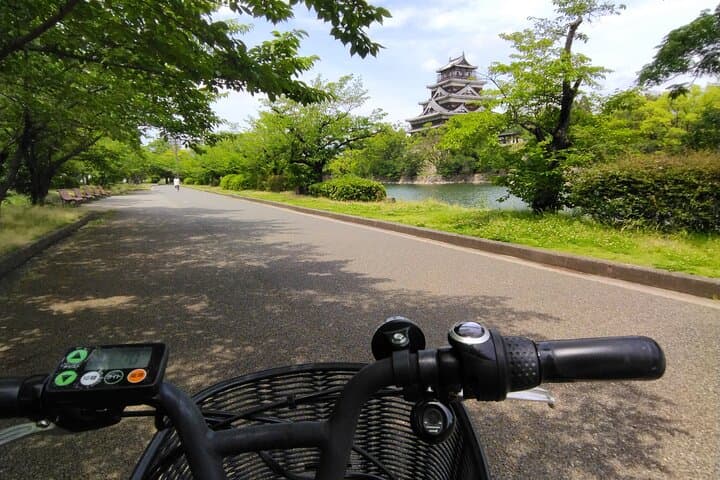
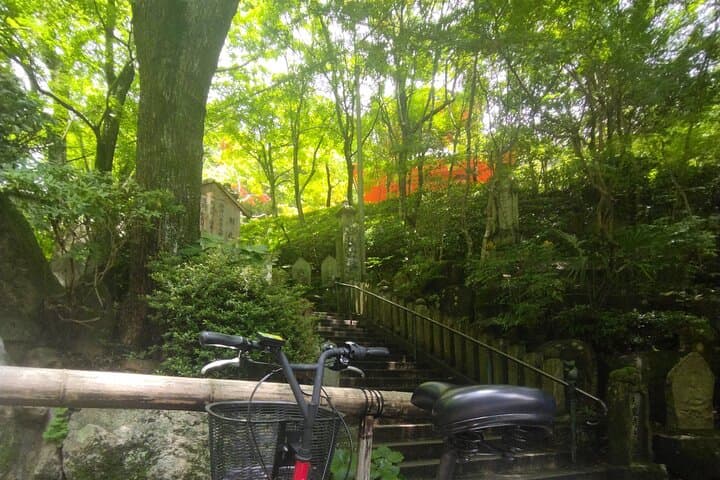
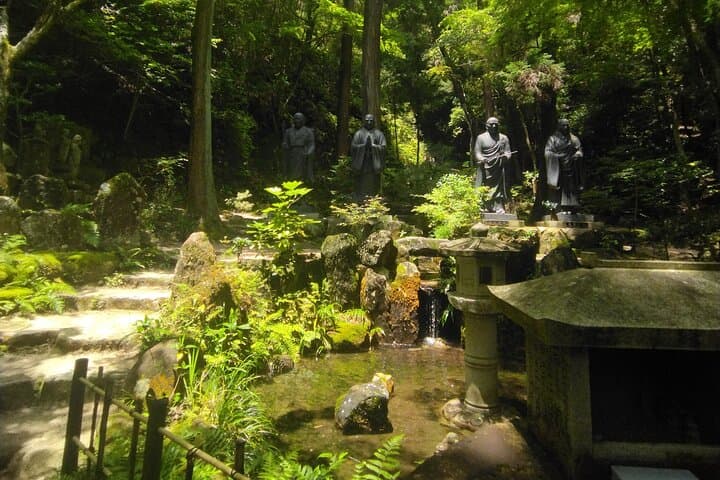
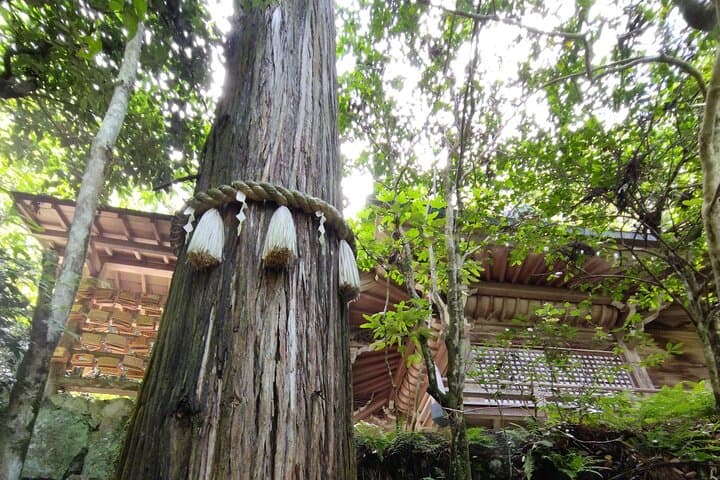
This compact 10 km loop threads Hiroshima’s most resonant sites: the Peace Memorial Park and Atomic Bomb Dome, the wide moat and photogenic angles around Hiroshima Castle, and a temple few tours include—an opportunity to see temple architecture and trees that survived 1945. Geologically the city sits on an alluvial plain where rivers fan into the Seto Inland Sea; that flat terrain makes the ride steady and forgiving. Culturally, the tour balances remembrance with everyday Hiroshima: street cafés, local snack stalls, and bridges still carrying commuters through the city.
Practical guidance: expect about 3–3.5 hours of casual riding with stops—suitable for riders comfortable with basic cycling and short urban climbs (minimal elevation gain). Bikes are battery‑assist, so you’ll cover more ground without sprinting. Bring a refillable water bottle, sun protection, and a light layer; summers are hot and can pose heat‑stroke risks, while spring offers cherry blossoms near the moat. Helmets are available on request. Guides share local history and photo spots, and you’ll have time for snacks and a small temple donation (≈¥200).
Respect memorial areas—stay on paths, lower voices in the park, and support nearby businesses to keep this living city vibrant.
easy.
3–3.5 hours.
Suitable for people with moderate fitness who can pedal and balance for a few hours; e‑assist reduces effort.
No—battery‑assist makes pedaling easier; basic cycling competence and balance are sufficient, and guides provide a short orientation.
Helmets aren’t required but are available—notify the operator before the tour if you want one reserved.
Riders should meet the bike’s minimum height (about 145 cm / 4'9") and be able to bend the knee; children and older adults can join if comfortable with urban cycling and the guide’s pace.
Full refund if you cancel at least 24 hours before departure; the tour may be canceled for bad weather.
Hiroshima’s Peace Memorial Park commemorates the August 6, 1945 bombing; nearby castle grounds date to the feudal era and show Edo‑period fortification design.
Visitors are asked to behave respectfully in memorial areas, avoid littering, and support local shops to help maintain cultural sites.
Sunset Tour in Hiroshima's Peace Park operates guided outdoor trips and adventures with an emphasis on safety, stewardship, and memorable experiences.
The morning light skims the Motoyasu River as your battery‑assist e‑bike hums to life and the Atomic Bomb Dome comes into view—stark concrete softened by the city’s slow recovery. Wheels whisper on paved paths; bridges arch like pages in a history book as your guide points to plaques and stories that make the past feel immediate.
The morning light skims the Motoyasu River as your battery‑assist e‑bike hums to life and the Atomic Bomb Dome comes into view—stark concrete softened by the city’s slow recovery. Wheels whisper on paved paths; bridges arch like pages in a history book as your guide points to plaques and stories that make the past feel immediate.
This compact 10 km loop threads Hiroshima’s most resonant sites: the Peace Memorial Park and Atomic Bomb Dome, the wide moat and photogenic angles around Hiroshima Castle, and a temple few tours include—an opportunity to see temple architecture and trees that survived 1945. Geologically the city sits on an alluvial plain where rivers fan into the Seto Inland Sea; that flat terrain makes the ride steady and forgiving. Culturally, the tour balances remembrance with everyday Hiroshima: street cafés, local snack stalls, and bridges still carrying commuters through the city.
Practical guidance: expect about 3–3.5 hours of casual riding with stops—suitable for riders comfortable with basic cycling and short urban climbs (minimal elevation gain). Bikes are battery‑assist, so you’ll cover more ground without sprinting. Bring a refillable water bottle, sun protection, and a light layer; summers are hot and can pose heat‑stroke risks, while spring offers cherry blossoms near the moat. Helmets are available on request. Guides share local history and photo spots, and you’ll have time for snacks and a small temple donation (≈¥200).
Respect memorial areas—stay on paths, lower voices in the park, and support nearby businesses to keep this living city vibrant.