THE ADVENTURE COLLECTIVE® · Independent discovery and booking for outdoor travel

Customize a private walking tour of Hiroshima that balances the city’s powerful history with neighborhood flavors and the option to cross to sacred Miyajima. Ideal for travelers who want a flexible, expert-led day tuned to museums, gardens, or a seaside summit.
Customize a private walking tour of Hiroshima that balances the city’s powerful history with neighborhood flavors and the option to cross to sacred Miyajima. Ideal for travelers who want a flexible, expert-led day tuned to museums, gardens, or a seaside summit.
A morning in Hiroshima begins at the slow, respectful cadence of Peace Memorial Park: stone plaques and the Atomic Bomb Dome hold a quiet that asks for attention. A private guide leads the way, mapping a route that can move from museum galleries and memorials into narrow shopping arcades where steam rises from okonomiyaki griddles, or out to the ferry terminal for the 10–15 minute crossing to Miyajima.
Verified experiences and guided adventures in the surrounding area.
Operated by DeepExperience · Hiroshima, Hiroshima
A morning in Hiroshima begins at the slow, respectful cadence of Peace Memorial Park: stone plaques and the Atomic Bomb Dome hold a quiet that asks for attention. A private guide leads the way, mapping a route that can move from museum galleries and memorials into narrow shopping arcades where steam rises from okonomiyaki griddles, or out to the ferry terminal for the 10–15 minute crossing to Miyajima.
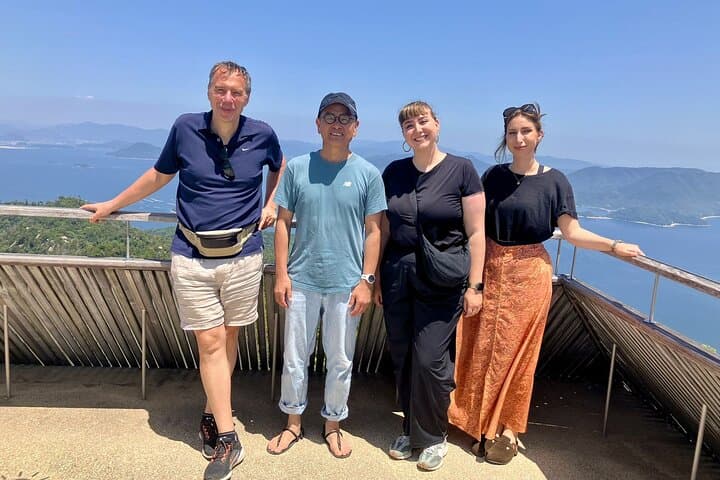
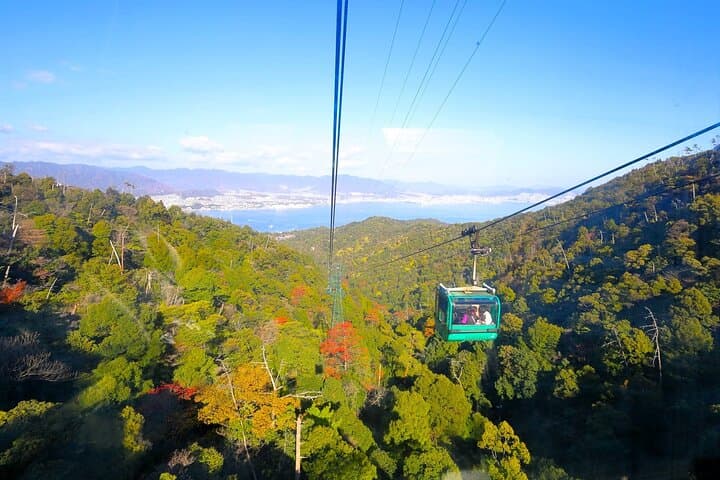
Hiroshima’s recent history is on full view here — the 1945 bombing reshaped the cityscape and produced the global peace movement centered at the museum and park. Geologically, the area sits on the Seto Inland Sea with low coastal plains and nearby volcanic islands; Mt. Misen on Miyajima rises to about 535 m and offers a contrasting wooded summit and sea views. Culturally, samples of urban life — from reconstructed Hiroshima Castle to Shukkeien garden — sit alongside centuries-old Shinto shrines and sake breweries in Saijo.
For practical planning: choose your itinerary in advance to match pace and interests. Expect several kilometers of on-foot exploration within the city; a Miyajima visit adds a short ferry and, if chosen, a 1–2 hour uphill hike on rough stone and root-strewn trails (≈500 m elevation gain to the summit). Wear sturdy walking shoes, carry water, and plan for humidity in summer and cool breezes on the island. Guides can arrange private transport or central pickup; note that a standard 4-hour tour cannot comfortably include both Miyajima and all city highlights. Start early to avoid crowds and leave room for a sit-down okonomiyaki finish.
moderate.
4 hours.
Comfortable walking fitness; able to handle 3–6 miles with some stairs and short uphill stretches if visiting Mt. Misen
Not comfortably — the 4-hour option can cover either the central Hiroshima highlights or Miyajima, but fitting both usually requires a longer private tour.
Admissions are typically not included; the guide can advise on tickets and may require guests to cover museum fees separately.
Expect several kilometers of walking in the city; a Miyajima visit adds a short ferry and optional 1–2 hour uphill hike (≈500 m elevation gain) if you choose the summit route.
Yes — the tour lists English-speaking private guides; confirm language needs when booking to ensure the right guide is assigned.
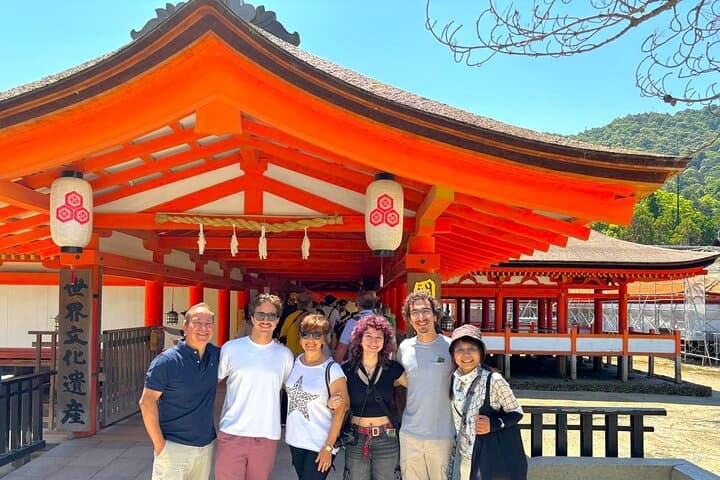
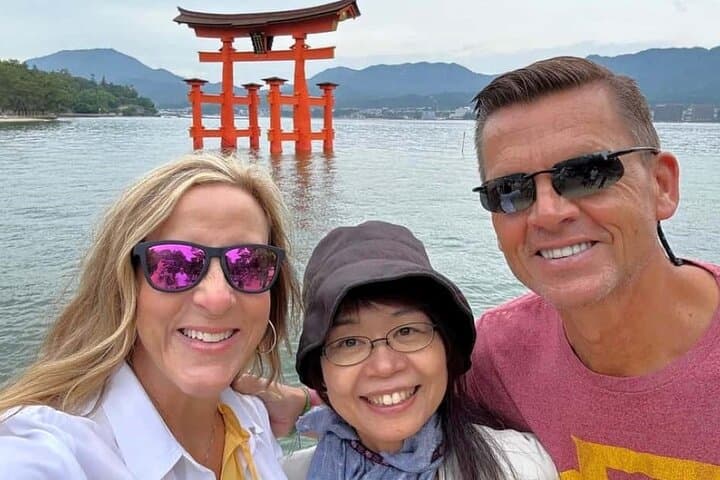
Hiroshima’s urban fabric is shaped by the 1945 atomic bombing and postwar reconstruction; Miyajima’s Itsukushima Shrine dates back centuries and is a UNESCO World Heritage site.
Visitor management on Miyajima and preservation of the Atomic Bomb Dome are key local priorities; follow trail etiquette and avoid feeding wildlife to protect fragile sites.
DeepExperience operates guided outdoor trips and adventures with an emphasis on safety, stewardship, and memorable experiences.
A morning in Hiroshima begins at the slow, respectful cadence of Peace Memorial Park: stone plaques and the Atomic Bomb Dome hold a quiet that asks for attention. A private guide leads the way, mapping a route that can move from museum galleries and memorials into narrow shopping arcades where steam rises from okonomiyaki griddles, or out to the ferry terminal for the 10–15 minute crossing to Miyajima.
A morning in Hiroshima begins at the slow, respectful cadence of Peace Memorial Park: stone plaques and the Atomic Bomb Dome hold a quiet that asks for attention. A private guide leads the way, mapping a route that can move from museum galleries and memorials into narrow shopping arcades where steam rises from okonomiyaki griddles, or out to the ferry terminal for the 10–15 minute crossing to Miyajima.
Hiroshima’s recent history is on full view here — the 1945 bombing reshaped the cityscape and produced the global peace movement centered at the museum and park. Geologically, the area sits on the Seto Inland Sea with low coastal plains and nearby volcanic islands; Mt. Misen on Miyajima rises to about 535 m and offers a contrasting wooded summit and sea views. Culturally, samples of urban life — from reconstructed Hiroshima Castle to Shukkeien garden — sit alongside centuries-old Shinto shrines and sake breweries in Saijo.
For practical planning: choose your itinerary in advance to match pace and interests. Expect several kilometers of on-foot exploration within the city; a Miyajima visit adds a short ferry and, if chosen, a 1–2 hour uphill hike on rough stone and root-strewn trails (≈500 m elevation gain to the summit). Wear sturdy walking shoes, carry water, and plan for humidity in summer and cool breezes on the island. Guides can arrange private transport or central pickup; note that a standard 4-hour tour cannot comfortably include both Miyajima and all city highlights. Start early to avoid crowds and leave room for a sit-down okonomiyaki finish.