THE ADVENTURE COLLECTIVE® · Independent discovery and booking for outdoor travel

Combine Hiroshima’s solemn Peace Memorial Park with the tidal grace of Itsukushima Shrine on a private 6–7 hour tour from the cruise terminal. A licensed local guide, ferry tickets and admissions are included for a focused, well-paced day.
Combine Hiroshima’s solemn Peace Memorial Park with the tidal grace of Itsukushima Shrine on a private 6–7 hour tour from the cruise terminal. A licensed local guide, ferry tickets and admissions are included for a focused, well-paced day.
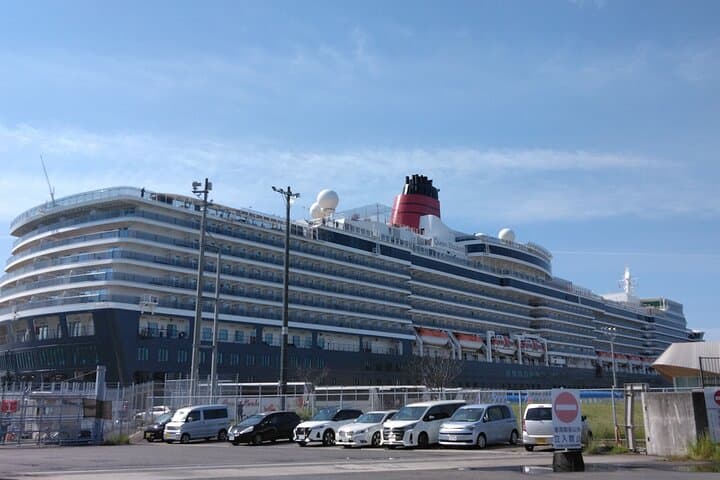
The car eases away from the port and the city unfolds: low-rise buildings give way to broad river channels, then the green slope of Miyajima rising from the Seto Inland Sea. The guide drives with practiced calm, pointing out landmarks as the ferry cuts through quiet water and the vermilion torii of Itsukushima Shrine appears like a gate daring the tide to claim it.
Verified experiences and guided adventures in the surrounding area.
Operated by A guided tour of Kumano Town, Hiroshima/calligraphy and cosmetic brushes · Hiroshima, Hiroshima Prefecture
The car eases away from the port and the city unfolds: low-rise buildings give way to broad river channels, then the green slope of Miyajima rising from the Seto Inland Sea. The guide drives with practiced calm, pointing out landmarks as the ferry cuts through quiet water and the vermilion torii of Itsukushima Shrine appears like a gate daring the tide to claim it.
Hiroshima’s story sits visibly in stone and steel—the Atomic Bomb Dome, monuments in Peace Memorial Park, and a museum that catalogues wartime devastation and postwar recovery. Across the bay, Miyajima’s shrine complex dates back centuries; its pillared halls were built on tidal flats so the approach changes with the sea. Geology here is gentle: sheltered channels, reclaimed river plains and low forested hills that have guided trade and pilgrimage for generations.
Culturally, the day pairs solemn reflection with island ritual: quiet at Peace Park, then the lighter rhythms of rice-terraced slopes, shrine prayers and tame sika deer on Miyajima. A licensed English-speaking guide frames both sites with context—history, Shinto practices, and how modern Hiroshima rebuilt itself.
Practicalities matter: this private, 6–7 hour tour includes ferry tickets, museum and shrine admissions, and door-to-door pickup from cruise terminals. Expect moderate walking on paved paths and shrine boardwalks; bring comfortable shoes, weather layers, and a charged phone for photos. Aim for morning ferries to catch the torii at low tide or late afternoon light, and allow time at the museum for reflective pauses. For cruise travelers wanting concise transport and deep local insight, this itinerary packs two of Hiroshima’s defining experiences into one manageable day.
easy.
6–7 hours.
Suitable for most travelers with basic mobility; involves several short walks and standing periods.
Pickup is available at the cruise terminal (Ujina Wharf) or nearby designated meeting points; confirm exact location and ship arrival time when booking.
Yes—admission to the Hiroshima Peace Memorial Museum and Itsukushima Shrine are included in the tour price.
No—Japanese law requires child seats for children under seven and this car is not equipped with them, so infants and very young children cannot be accommodated.
Tipping is not customary in Japan; thoughtful thanks and small souvenirs are appreciated but not required.
Hiroshima was largely destroyed by an atomic bomb in 1945; Peace Memorial Park and Museum document the event and postwar recovery. Itsukushima Shrine dates to the 6th century, with the iconic floating torii rebuilt across centuries.
Miyajima manages tourism to protect shrine structures and deer; visitors are asked not to feed wildlife and to follow designated paths to limit erosion.
A guided tour of Kumano Town, Hiroshima/calligraphy and cosmetic brushes operates guided outdoor trips and adventures with an emphasis on safety, stewardship, and memorable experiences.
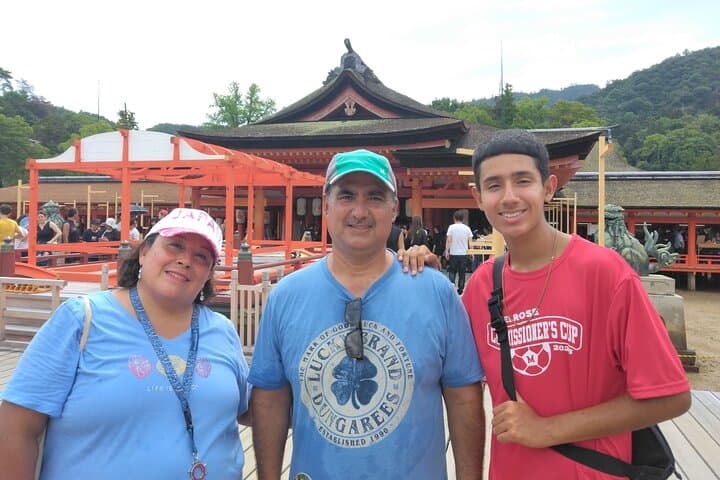
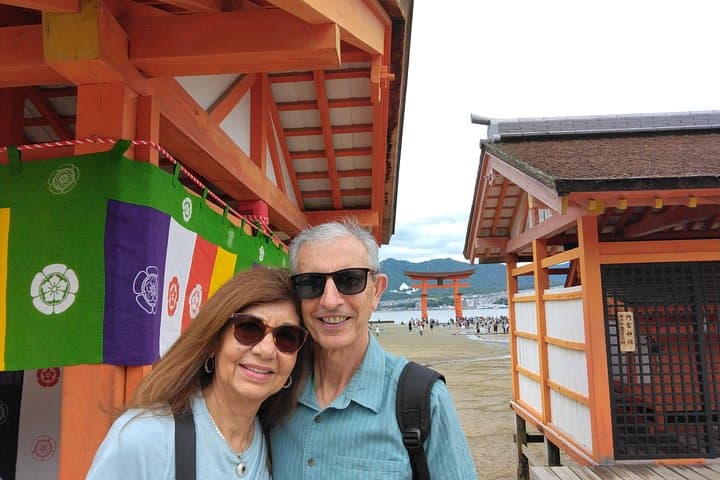
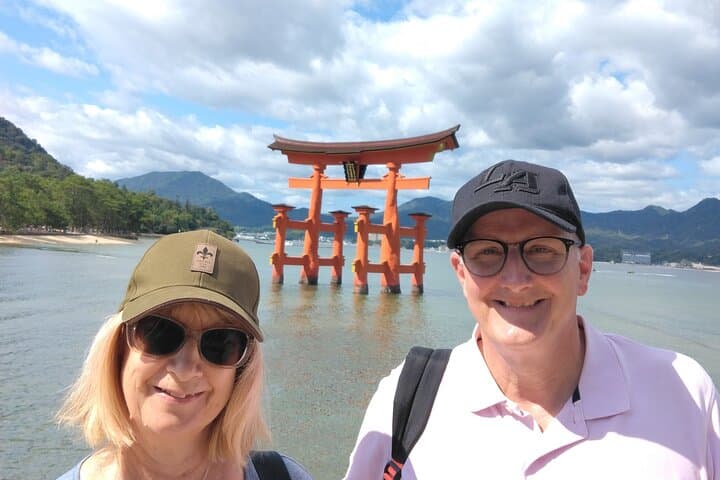
The car eases away from the port and the city unfolds: low-rise buildings give way to broad river channels, then the green slope of Miyajima rising from the Seto Inland Sea. The guide drives with practiced calm, pointing out landmarks as the ferry cuts through quiet water and the vermilion torii of Itsukushima Shrine appears like a gate daring the tide to claim it.
The car eases away from the port and the city unfolds: low-rise buildings give way to broad river channels, then the green slope of Miyajima rising from the Seto Inland Sea. The guide drives with practiced calm, pointing out landmarks as the ferry cuts through quiet water and the vermilion torii of Itsukushima Shrine appears like a gate daring the tide to claim it.
Hiroshima’s story sits visibly in stone and steel—the Atomic Bomb Dome, monuments in Peace Memorial Park, and a museum that catalogues wartime devastation and postwar recovery. Across the bay, Miyajima’s shrine complex dates back centuries; its pillared halls were built on tidal flats so the approach changes with the sea. Geology here is gentle: sheltered channels, reclaimed river plains and low forested hills that have guided trade and pilgrimage for generations.
Culturally, the day pairs solemn reflection with island ritual: quiet at Peace Park, then the lighter rhythms of rice-terraced slopes, shrine prayers and tame sika deer on Miyajima. A licensed English-speaking guide frames both sites with context—history, Shinto practices, and how modern Hiroshima rebuilt itself.
Practicalities matter: this private, 6–7 hour tour includes ferry tickets, museum and shrine admissions, and door-to-door pickup from cruise terminals. Expect moderate walking on paved paths and shrine boardwalks; bring comfortable shoes, weather layers, and a charged phone for photos. Aim for morning ferries to catch the torii at low tide or late afternoon light, and allow time at the museum for reflective pauses. For cruise travelers wanting concise transport and deep local insight, this itinerary packs two of Hiroshima’s defining experiences into one manageable day.