THE ADVENTURE COLLECTIVE® · Independent discovery and booking for outdoor travel

Walk Hiroshima’s Peace Park, explore the Atomic Bomb Dome and Peace Museum with a private guide, then ferry to Miyajima to see Itsukushima Shrine, meet tame deer, and taste local oysters and okonomiyaki. This flexible private tour balances history, family-friendly storytelling, and island scenery.
Walk Hiroshima’s Peace Park, explore the Atomic Bomb Dome and Peace Museum with a private guide, then ferry to Miyajima to see Itsukushima Shrine, meet tame deer, and taste local oysters and okonomiyaki. This flexible private tour balances history, family-friendly storytelling, and island scenery.
You step from a quiet street into a broad lawn punctuated by concrete and bronze—the Atomic Bomb Dome on one side, the Peace Flame on the other. A local guide folds history into the city’s pace: measured, immediate, human. The air carries sea salt from the Seto Inland Sea and the faint sizzle of okonomiyaki being flipped in a nearby shop.
Verified experiences and guided adventures in the surrounding area.
Operated by YURAGI · Hiroshima, Hiroshima Prefecture
You step from a quiet street into a broad lawn punctuated by concrete and bronze—the Atomic Bomb Dome on one side, the Peace Flame on the other. A local guide folds history into the city’s pace: measured, immediate, human. The air carries sea salt from the Seto Inland Sea and the faint sizzle of okonomiyaki being flipped in a nearby shop.
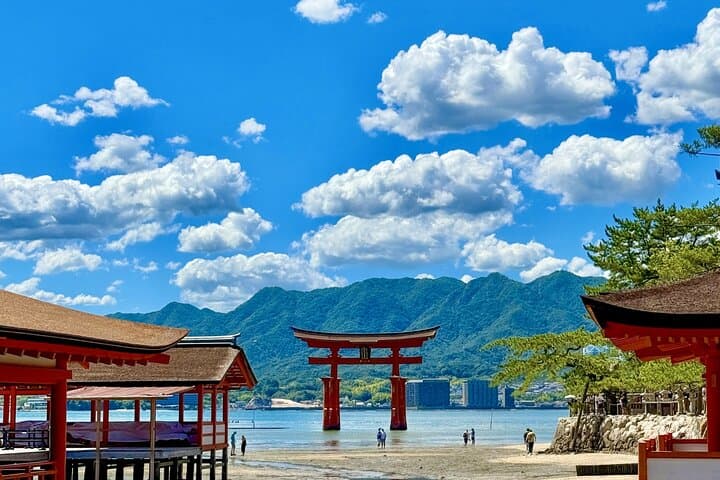
The day threads wartime history with island ritual. At Peace Memorial Park the guide explains the 1945 bombing and postwar reconstruction with age-appropriate context; the Peace Museum’s exhibits ground the narrative in artifacts and timelines. Later, a thirty-minute ferry crosses to Miyajima, where the vermilion torii of Itsukushima Shrine seems to rise from the tide at high water. The island’s stone-paved shopping lane leads to friendly sika deer and snack stalls selling oysters and momiji-manju.
Geology here is gentle—the Seto Inland Sea’s sheltered waters and low, wooded islands limit dramatic elevation but create tidal spectacles. Cultural notes surface in food and shrine etiquette: bow at the gate, don’t feed the deer, and try the savory Hiroshima-style okonomiyaki.
Practical guidance: allow 2–8 hours depending on stops; wear comfortable shoes for city walking and uneven boardwalks, bring a refillable water bottle, and schedule museum visits early to avoid crowds. The private format means flexible pacing, wheelchair-accessible options, and a guide who can tailor explanations for families. Expect light walking, moments of reflection, and a ferry crossing that shifts the rhythm from city to island—compact, thoughtful, and very walkable.
easy.
2–8 hours.
Low-impact walking and standing; suitable for families and most fitness levels.
Admissions are typically not included; the guide will advise where to buy tickets and can arrange timing to reduce queuing.
Yes — the itinerary notes wheelchair and stroller accessibility, though some shrine boardwalks and narrow streets may require assistance.
Ferry transit is arranged as part of the tour logistics, but confirm whether transport fees are included when booking; guides commonly coordinate tickets on the day.
Yes — the tour is private and designed to be tailored through a pre-tour questionnaire; guides adjust pace, content, and stops for families or accessibility requirements.
Hiroshima was ground-zero for the 1945 atomic bombing and later transformed through deliberate postwar reconstruction; Itsukushima Shrine’s foundations date back centuries and reflect Shinto island worship.
Local authorities manage visitor flow in Peace Park and Miyajima to protect cultural sites and wildlife—avoid feeding animals, stick to marked paths, and follow signage to reduce impact.
YURAGI operates guided outdoor trips and adventures with an emphasis on safety, stewardship, and memorable experiences.
You step from a quiet street into a broad lawn punctuated by concrete and bronze—the Atomic Bomb Dome on one side, the Peace Flame on the other. A local guide folds history into the city’s pace: measured, immediate, human. The air carries sea salt from the Seto Inland Sea and the faint sizzle of okonomiyaki being flipped in a nearby shop.
You step from a quiet street into a broad lawn punctuated by concrete and bronze—the Atomic Bomb Dome on one side, the Peace Flame on the other. A local guide folds history into the city’s pace: measured, immediate, human. The air carries sea salt from the Seto Inland Sea and the faint sizzle of okonomiyaki being flipped in a nearby shop.
The day threads wartime history with island ritual. At Peace Memorial Park the guide explains the 1945 bombing and postwar reconstruction with age-appropriate context; the Peace Museum’s exhibits ground the narrative in artifacts and timelines. Later, a thirty-minute ferry crosses to Miyajima, where the vermilion torii of Itsukushima Shrine seems to rise from the tide at high water. The island’s stone-paved shopping lane leads to friendly sika deer and snack stalls selling oysters and momiji-manju.
Geology here is gentle—the Seto Inland Sea’s sheltered waters and low, wooded islands limit dramatic elevation but create tidal spectacles. Cultural notes surface in food and shrine etiquette: bow at the gate, don’t feed the deer, and try the savory Hiroshima-style okonomiyaki.
Practical guidance: allow 2–8 hours depending on stops; wear comfortable shoes for city walking and uneven boardwalks, bring a refillable water bottle, and schedule museum visits early to avoid crowds. The private format means flexible pacing, wheelchair-accessible options, and a guide who can tailor explanations for families. Expect light walking, moments of reflection, and a ferry crossing that shifts the rhythm from city to island—compact, thoughtful, and very walkable.