THE ADVENTURE COLLECTIVE® · Independent discovery and booking for outdoor travel

Spend a customized eight hours with a government-licensed English guide exploring Hiroshima’s Peace Memorial Park, castle, and the tide-girded Itsukushima Shrine on Miyajima. This private walking tour blends history, culture, and compact coastal scenery with practical local tips.
Spend a customized eight hours with a government-licensed English guide exploring Hiroshima’s Peace Memorial Park, castle, and the tide-girded Itsukushima Shrine on Miyajima. This private walking tour blends history, culture, and compact coastal scenery with practical local tips.
You step out into Hiroshima’s morning light and the city answers in quiet detail: tram bells, a guide’s measured English, and the wide green sweep of Peace Memorial Park daring you to look, remember, and move forward.
Verified experiences and guided adventures in the surrounding area.
Operated by Japan Guide Agency · Hiroshima, Hiroshima Prefecture
You step out into Hiroshima’s morning light and the city answers in quiet detail: tram bells, a guide’s measured English, and the wide green sweep of Peace Memorial Park daring you to look, remember, and move forward.
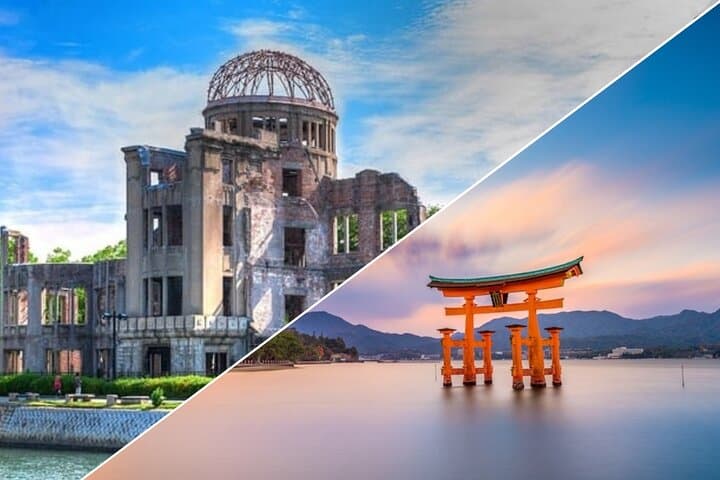
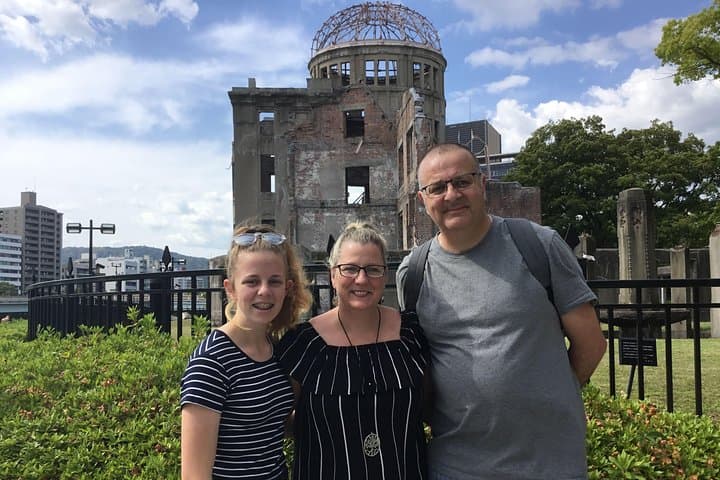
Across eight hours you’ll walk sites that map Japan’s layered history—Hiroshima Castle’s moats and reconstructed keep speak to feudal Japan’s urban life, while Shukkeien garden compresses landscape design into pond and knoll. The city’s core, once a political hub, was rebuilt around memory; the Peace Memorial Park and the Atomic Bomb Dome carry a restraint that guides how you behave as much as what you see.
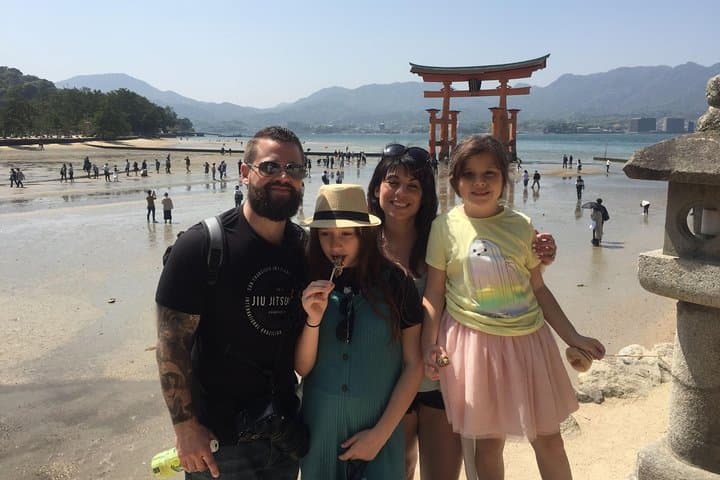
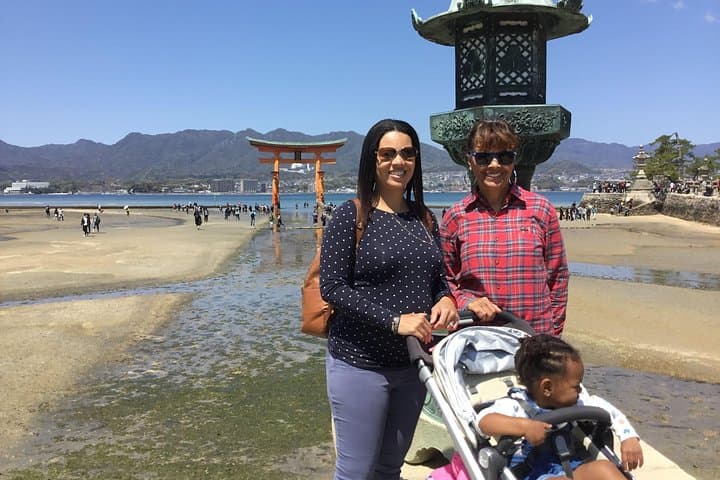
A short ferry ride brings you to Itsukushima (Miyajima), where the torii gate pedals the tide and the island’s deer weave through temple approaches with casual entitlement. Geologically, Miyajima sits on Seto Inland Sea rock shelves that create tidal drama; culturally, Itsukushima Shrine’s pier-like construction ties Shinto practice to water.
Practical edge: this is a walking tour with an English-licensed guide who tailors stops—expect 6–10 km on foot, mostly flat urban surfaces and some uneven temple steps. Buy an IC card or keep small change for shrines, snacks, and the ferry pass (¥900 suggested). Wear broken-in walking shoes, carry a lightweight rain shell in summer, and schedule Miyajima for early morning or late afternoon to avoid day-tour crowds.
By noon the island’s sea will have its own rhythm; by dusk the city will have another. The guide’s role is to connect those rhythms—history, landscape, and local life—into a single, navigable day.
easy.
8 hours.
Suitable for most travelers who can walk 6–10 km over a day; light stamina for repeated short walks and stairs.
Admission fees to specific attractions and the Miyajima ferry are not included by default; ask your guide to confirm which sites you plan to visit and budget accordingly.
This private walking tour accepts up to 10 people per booking, with a licensed guide customizing the itinerary for your group.
Many city sites and the Peace Memorial Park are wheelchair accessible, but some temple areas and older streets on Miyajima have steps—notify the operator in advance to plan accessible routing.
Meet your guide on foot in central Hiroshima (hotel pickup on foot); the guide will confirm the exact meeting point and finish location when you book.
Hiroshima developed as a castle town around Hiroshima Castle in the late 16th century and was later selected as the atomic-bomb target due to its urban-central importance; the Peace Memorial Park preserves that wartime memory.
Miyajima limits nighttime development to preserve shrine ambiance and deer habitats; visitors are asked not to feed wildlife and to carry out litter to protect tidal ecosystems.
Japan Guide Agency operates guided outdoor trips and adventures with an emphasis on safety, stewardship, and memorable experiences.
You step out into Hiroshima’s morning light and the city answers in quiet detail: tram bells, a guide’s measured English, and the wide green sweep of Peace Memorial Park daring you to look, remember, and move forward.
You step out into Hiroshima’s morning light and the city answers in quiet detail: tram bells, a guide’s measured English, and the wide green sweep of Peace Memorial Park daring you to look, remember, and move forward.
Across eight hours you’ll walk sites that map Japan’s layered history—Hiroshima Castle’s moats and reconstructed keep speak to feudal Japan’s urban life, while Shukkeien garden compresses landscape design into pond and knoll. The city’s core, once a political hub, was rebuilt around memory; the Peace Memorial Park and the Atomic Bomb Dome carry a restraint that guides how you behave as much as what you see.
A short ferry ride brings you to Itsukushima (Miyajima), where the torii gate pedals the tide and the island’s deer weave through temple approaches with casual entitlement. Geologically, Miyajima sits on Seto Inland Sea rock shelves that create tidal drama; culturally, Itsukushima Shrine’s pier-like construction ties Shinto practice to water.
Practical edge: this is a walking tour with an English-licensed guide who tailors stops—expect 6–10 km on foot, mostly flat urban surfaces and some uneven temple steps. Buy an IC card or keep small change for shrines, snacks, and the ferry pass (¥900 suggested). Wear broken-in walking shoes, carry a lightweight rain shell in summer, and schedule Miyajima for early morning or late afternoon to avoid day-tour crowds.
By noon the island’s sea will have its own rhythm; by dusk the city will have another. The guide’s role is to connect those rhythms—history, landscape, and local life—into a single, navigable day.