THE ADVENTURE COLLECTIVE® · Independent discovery and booking for outdoor travel

Take a full-day bullet-train journey from Tokyo to visit Miyajima’s floating torii and Hiroshima’s Peace Memorial Park. This guided tour combines fast, efficient travel with time to explore island streets, sample local food, and reflect at important historic sites.
Take a full-day bullet-train journey from Tokyo to visit Miyajima’s floating torii and Hiroshima’s Peace Memorial Park. This guided tour combines fast, efficient travel with time to explore island streets, sample local food, and reflect at important historic sites.
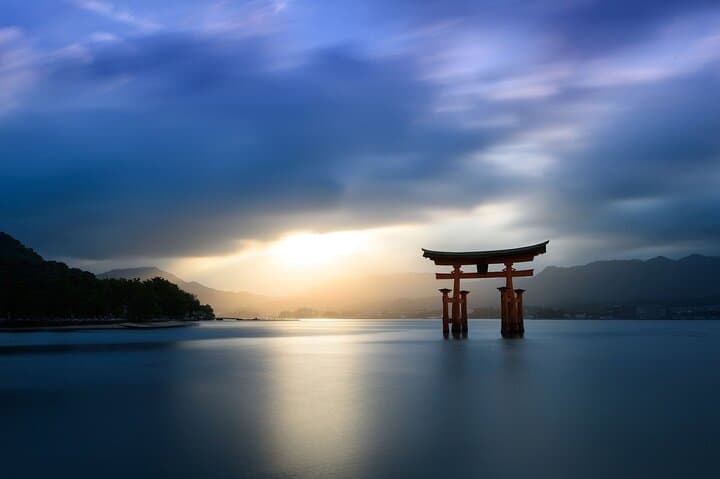
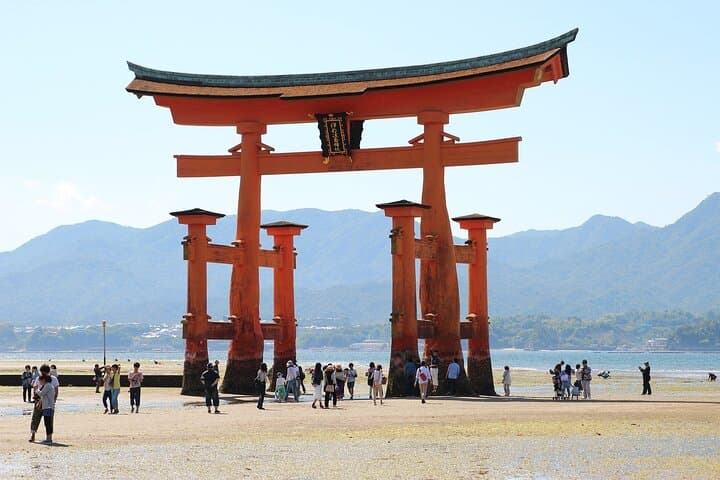
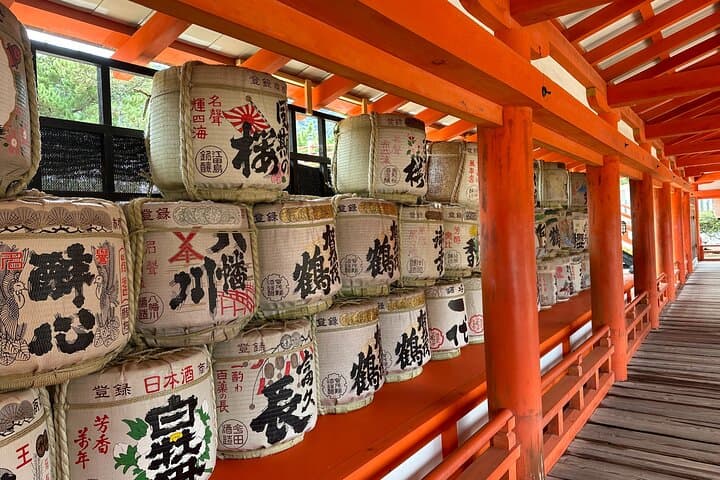
Morning light pours into a Shinkansen carriage as Japan’s countryside blurs into a ribbon of rice fields and towns. By midday the ferry cuts across the Seto Inland Sea and the iconic torii of Itsukushima slowly grows from the water, bold and orange against a blue horizon. The island’s lanes lead past wooden shops, scent of grilled oysters and steamed sweets, and deer that move with casual curiosity.
Verified experiences and guided adventures in the surrounding area.
Operated by Amigo Tours Japan · Hatsukaichi, Hiroshima Prefecture
Morning light pours into a Shinkansen carriage as Japan’s countryside blurs into a ribbon of rice fields and towns. By midday the ferry cuts across the Seto Inland Sea and the iconic torii of Itsukushima slowly grows from the water, bold and orange against a blue horizon. The island’s lanes lead past wooden shops, scent of grilled oysters and steamed sweets, and deer that move with casual curiosity.
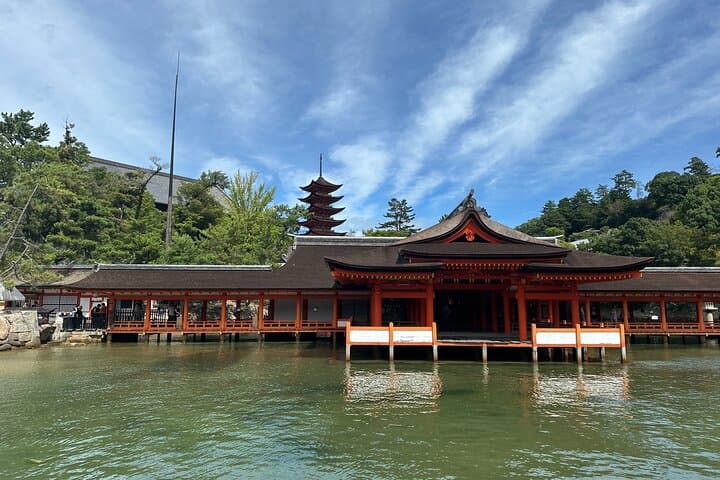
Miyajima’s Itsukushima Shrine—built on pilings over tidal flats—reflects Shinto reverence for edges where sea meets land; tides dictate how you experience the torii. Geologically the Seto Inland Sea is a calm, protected basin dotted with islands formed by ancient uplift and erosion; the landscape is low, green, and marine-tempered. In Hiroshima the mood shifts from island ease to solemn reflection: the Peace Memorial Park preserves the Atomic Bomb Dome and memorials that document 20th-century history and postwar recovery.
Practical guidance: this is a long full-day outing (the operator lists roughly 16 hours). Expect a fast-paced schedule—bullet train seats included but walking and short uphill approaches are required at both sites. Wear comfortable walking shoes, bring a compact rain shell, and carry cash for small food stalls and shrine offerings. Time your photography for low tide at the torii if you want shoreline shots, or for high tide if you prefer the “floating” effect. Hydrate, keep an eye on ferry times, and allow quiet moments at the Peace Park—this trip mixes scenery, culture, and history in one intensive day.
moderate.
Approximately 16 hours (full-day).
Moderate fitness: able to walk 3–6 miles over varied surfaces with stairs and short hills
The full itinerary runs about 16 hours round-trip using Shinkansen bullet train and local transfers as listed.
Yes—this tour includes the Shinkansen seat, ferry to Miyajima, and entrance to Itsukushima Shrine where specified.
The schedule is long and includes walking and stairs; those with limited mobility or spinal issues should consider whether a long day is appropriate.
Bilingual guides in English and Spanish are provided according to the operator’s listing.
Itsukushima Shrine is a centuries-old Shinto site built on tidal flats; Hiroshima’s Peace Park commemorates the 1945 atomic bombing and the city’s postwar peace movement.
Miyajima limits development to preserve its cultural landscape and shrine integrity; visitors should avoid feeding wildlife and stick to marked paths to protect habitats.
Amigo Tours Japan operates guided outdoor trips and adventures with an emphasis on safety, stewardship, and memorable experiences.
Morning light pours into a Shinkansen carriage as Japan’s countryside blurs into a ribbon of rice fields and towns. By midday the ferry cuts across the Seto Inland Sea and the iconic torii of Itsukushima slowly grows from the water, bold and orange against a blue horizon. The island’s lanes lead past wooden shops, scent of grilled oysters and steamed sweets, and deer that move with casual curiosity.
Morning light pours into a Shinkansen carriage as Japan’s countryside blurs into a ribbon of rice fields and towns. By midday the ferry cuts across the Seto Inland Sea and the iconic torii of Itsukushima slowly grows from the water, bold and orange against a blue horizon. The island’s lanes lead past wooden shops, scent of grilled oysters and steamed sweets, and deer that move with casual curiosity.
Miyajima’s Itsukushima Shrine—built on pilings over tidal flats—reflects Shinto reverence for edges where sea meets land; tides dictate how you experience the torii. Geologically the Seto Inland Sea is a calm, protected basin dotted with islands formed by ancient uplift and erosion; the landscape is low, green, and marine-tempered. In Hiroshima the mood shifts from island ease to solemn reflection: the Peace Memorial Park preserves the Atomic Bomb Dome and memorials that document 20th-century history and postwar recovery.
Practical guidance: this is a long full-day outing (the operator lists roughly 16 hours). Expect a fast-paced schedule—bullet train seats included but walking and short uphill approaches are required at both sites. Wear comfortable walking shoes, bring a compact rain shell, and carry cash for small food stalls and shrine offerings. Time your photography for low tide at the torii if you want shoreline shots, or for high tide if you prefer the “floating” effect. Hydrate, keep an eye on ferry times, and allow quiet moments at the Peace Park—this trip mixes scenery, culture, and history in one intensive day.