THE ADVENTURE COLLECTIVE® · Independent discovery and booking for outdoor travel

Experience two of western Honshu’s defining sites in a single day: the serene Itsukushima Shrine on Miyajima and the sobering Hiroshima Peace Memorials, linked by a punctual Shinkansen ride. This guided tour balances culture, landscape, and travel logistics for a full but manageable day.
Experience two of western Honshu’s defining sites in a single day: the serene Itsukushima Shrine on Miyajima and the sobering Hiroshima Peace Memorials, linked by a punctual Shinkansen ride. This guided tour balances culture, landscape, and travel logistics for a full but manageable day.
You step out of Hotel Granvia Osaka with a small sign and the promise of distance shrinking under steel wheels. The Shinkansen thrusts you westward across Honshu, cities sliding by until the low-focus of Hiroshima appears—an island shrine gate rising from the Seto Sea at Miyajima and the sober silhouette of the Atomic Bomb Dome in the city park.
Verified experiences and guided adventures in the surrounding area.
Operated by JTB Global Marketing & Travel Inc. · Hatsukaichi, Hiroshima Prefecture
You step out of Hotel Granvia Osaka with a small sign and the promise of distance shrinking under steel wheels. The Shinkansen thrusts you westward across Honshu, cities sliding by until the low-focus of Hiroshima appears—an island shrine gate rising from the Seto Sea at Miyajima and the sober silhouette of the Atomic Bomb Dome in the city park.
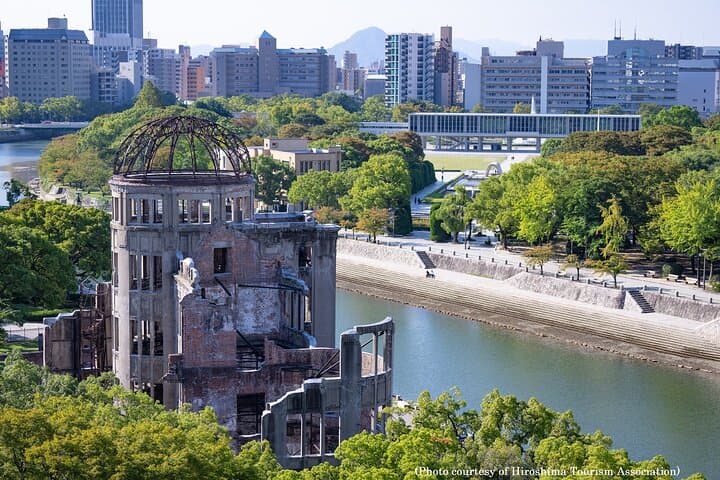
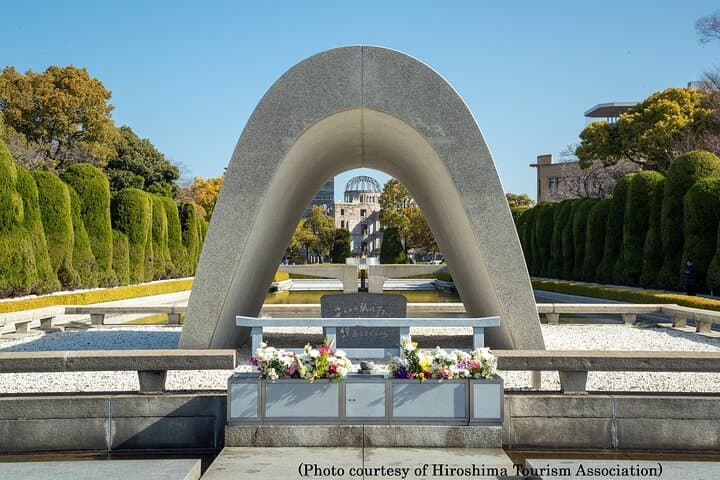
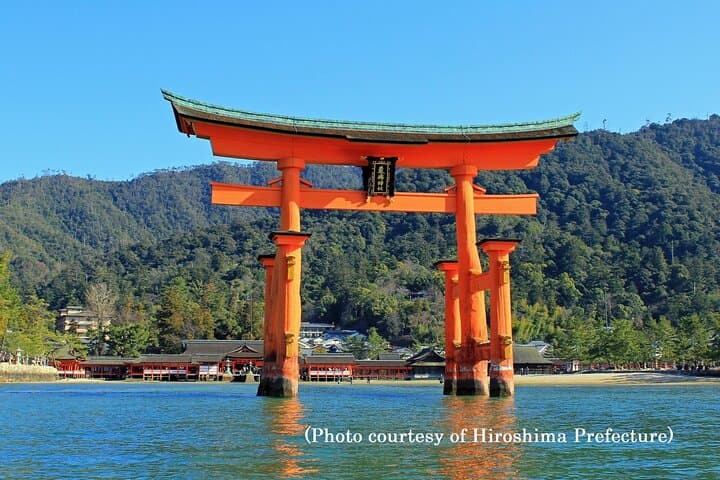
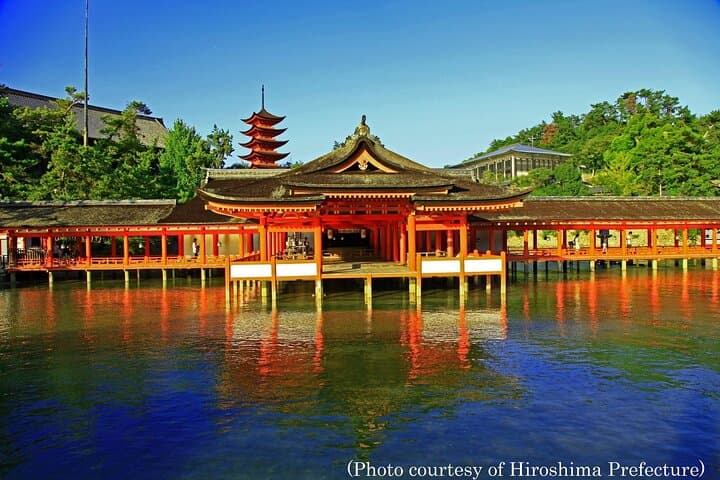
Miyajima’s Itsukushima Shrine dates back to the 6th century and its floating torii sits where tidal shifts stage dramatic changes in perspective; behind it, volcanic Mount Misen anchors the island’s geology and offers temperate forest trails. Hiroshima’s Peace Memorial Park and the Atomic Bomb Dome preserve a hard chapter of modern history, while the nearby museum contextualizes reconstruction and advocacy for nuclear disarmament.
On this guided day trip travelers split time between heritage and nature: a reserved-seat Shinkansen ride (about 90–110 minutes each way depending on service), a wander on Miyajima with lunch and deer sightings, and a reflective stop at Hiroshima Peace Park and museum. Practicalities matter—expect a full day (roughly 13 hours total), moderate walking on varied surfaces, and independent time for lunch and photographs.
Plan for changing tides at the torii, carry water, wear comfortable shoes, and leave room in your schedule for ferry queues. The rhythm of the day moves fast: history demanding attention, forests inviting a slower breath, and the bullet train delivering you back to Osaka before nightfall.
easy.
Approximately 13 hours (full-day).
Basic walking stamina for several short walks and stairs over the course of the day is sufficient
Typical Shinkansen times are about 90–110 minutes each way depending on the service; reserved seating is included in the tour.
Lunch is not included; the itinerary allows time to eat on Miyajima where local oysters, okonomiyaki, and other dishes are available.
Yes—wild deer roam freely on Miyajima and are commonly seen near the shrine and village areas, though they are wildlife and should not be fed.
Yes—the tour includes entry to the museum and time to visit the Atomic Bomb Dome and the park with guidance for context.
Itsukushima Shrine reflects Heian-period shrine architecture, while Hiroshima’s Peace Park preserves the Atomic Bomb Dome as a reminder of the 1945 bombing and the city’s postwar recovery.
Miyajima balances tourism with protected forest areas—stick to trails, avoid feeding wildlife, and use marked paths to limit erosion and disturbance.
JTB Global Marketing & Travel Inc. operates guided outdoor trips and adventures with an emphasis on safety, stewardship, and memorable experiences.
You step out of Hotel Granvia Osaka with a small sign and the promise of distance shrinking under steel wheels. The Shinkansen thrusts you westward across Honshu, cities sliding by until the low-focus of Hiroshima appears—an island shrine gate rising from the Seto Sea at Miyajima and the sober silhouette of the Atomic Bomb Dome in the city park.
You step out of Hotel Granvia Osaka with a small sign and the promise of distance shrinking under steel wheels. The Shinkansen thrusts you westward across Honshu, cities sliding by until the low-focus of Hiroshima appears—an island shrine gate rising from the Seto Sea at Miyajima and the sober silhouette of the Atomic Bomb Dome in the city park.
Miyajima’s Itsukushima Shrine dates back to the 6th century and its floating torii sits where tidal shifts stage dramatic changes in perspective; behind it, volcanic Mount Misen anchors the island’s geology and offers temperate forest trails. Hiroshima’s Peace Memorial Park and the Atomic Bomb Dome preserve a hard chapter of modern history, while the nearby museum contextualizes reconstruction and advocacy for nuclear disarmament.
On this guided day trip travelers split time between heritage and nature: a reserved-seat Shinkansen ride (about 90–110 minutes each way depending on service), a wander on Miyajima with lunch and deer sightings, and a reflective stop at Hiroshima Peace Park and museum. Practicalities matter—expect a full day (roughly 13 hours total), moderate walking on varied surfaces, and independent time for lunch and photographs.
Plan for changing tides at the torii, carry water, wear comfortable shoes, and leave room in your schedule for ferry queues. The rhythm of the day moves fast: history demanding attention, forests inviting a slower breath, and the bullet train delivering you back to Osaka before nightfall.