THE ADVENTURE COLLECTIVE® · Independent discovery and booking for outdoor travel

Spend a tailored eight-hour day tracing Hiroshima’s dual stories: the holy shores of Miyajima and the sobering memorials of Peace Park. A private English guide and vehicle let you move at your own pace through museums, shrines, and local food stops.
Spend a tailored eight-hour day tracing Hiroshima’s dual stories: the holy shores of Miyajima and the sobering memorials of Peace Park. A private English guide and vehicle let you move at your own pace through museums, shrines, and local food stops.
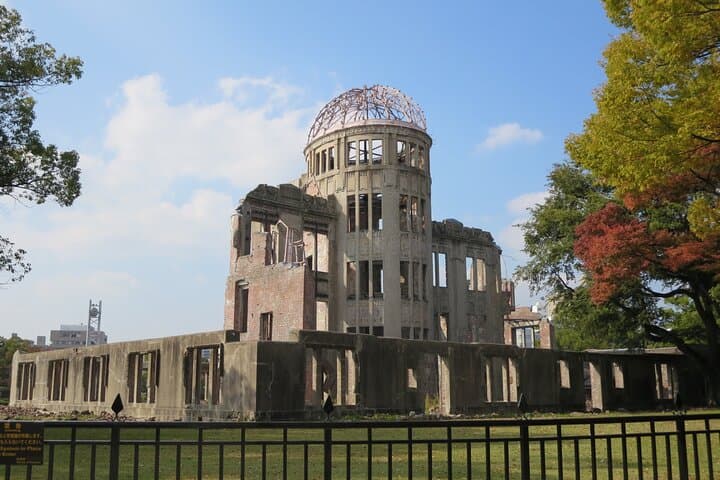
You step from a private vehicle into a city that keeps its history close to the pavement: incense from shrine vendors, the low arc of ferry wakes, and the silent silhouette of the Atomic Bomb Dome across the river. An English-speaking guide leads, tailoring the eight-hour route so your pace and interests set the rhythm.
Verified experiences and guided adventures in the surrounding area.
Operated by 広島県内1day ツアー · Hiroshima, Hiroshima Prefecture
You step from a private vehicle into a city that keeps its history close to the pavement: incense from shrine vendors, the low arc of ferry wakes, and the silent silhouette of the Atomic Bomb Dome across the river. An English-speaking guide leads, tailoring the eight-hour route so your pace and interests set the rhythm.
This private tour threads two of Hiroshima’s strongest stories: Miyajima’s Shinto traditions and the city’s 20th-century wartime legacy. Geology and geography play quiet roles—the Seto Inland Sea cushions Miyajima’s red torii at high tide, while the flat delta where Hiroshima sits made it vulnerable in 1945 and now hosts memorials and museums that chronicle the aftermath.
Culturally the day balances reverence and daily life: monks maintain temples on Miyajima, street vendors sell grilled oysters and momiji manju, and citizens use Peace Park as both a place of remembrance and urban green space. Local guides can point out architecture details, shrine rituals, and neighborhood food stalls that travelers miss on larger itineraries.
Practical guidance: expect an 8‑hour private vehicle-and-ferry day with multiple short walks, some uneven boards on shrine approaches, and museum exhibits that require quiet respect. Bring comfortable walking shoes, layered clothing for coastal winds, and modest attire for shrine visits. Plan for ferry timetables if you want low-tide photos of the torii, and allow time for entry to the Peace Memorial Museum. The private format means your guide can swap stops—request slow museum time or extra food breaks when you book.
This tour suits travelers who want curated access, local insight, and a single-day snapshot of Hiroshima’s complex past and living present.
easy.
8 hours.
Suitable for most fitness levels; expect multiple short walks and standing during museum visits.
Yes — private transportation includes pickup and drop off at your hotel or a designated meeting point in Hiroshima.
The itinerary shows some admissions included (for example, Miyajima highlights), but confirm specific site fees with the operator when booking.
Yes — the offering notes wheelchair‑accessible transport and many sites have accessible routes, though some shrine areas and ferry docks may have steps or uneven surfaces.
Yes — the private tour is tailored to your preferences; the guide will confirm details after booking and can adjust timing and stops subject to ferry schedules and site hours.
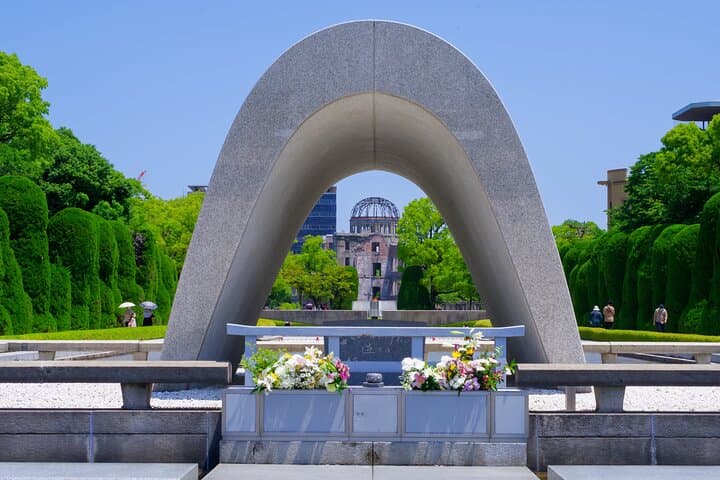
Hiroshima’s Peace Park preserves the footprint of the 1945 atomic bombing and hosts the museum documenting artifacts and survivor testimony; Miyajima’s Itsukushima Shrine is a centuries‑old Shinto site whose floating torii reflects tidal changes.
Visitors are encouraged to respect shrine etiquette and museum rules; follow local guidance on wildlife feeding (do not feed deer) and minimize single‑use plastics, especially around coastal areas.
広島県内1day ツアー operates guided outdoor trips and adventures with an emphasis on safety, stewardship, and memorable experiences.
You step from a private vehicle into a city that keeps its history close to the pavement: incense from shrine vendors, the low arc of ferry wakes, and the silent silhouette of the Atomic Bomb Dome across the river. An English-speaking guide leads, tailoring the eight-hour route so your pace and interests set the rhythm.
You step from a private vehicle into a city that keeps its history close to the pavement: incense from shrine vendors, the low arc of ferry wakes, and the silent silhouette of the Atomic Bomb Dome across the river. An English-speaking guide leads, tailoring the eight-hour route so your pace and interests set the rhythm.
This private tour threads two of Hiroshima’s strongest stories: Miyajima’s Shinto traditions and the city’s 20th-century wartime legacy. Geology and geography play quiet roles—the Seto Inland Sea cushions Miyajima’s red torii at high tide, while the flat delta where Hiroshima sits made it vulnerable in 1945 and now hosts memorials and museums that chronicle the aftermath.
Culturally the day balances reverence and daily life: monks maintain temples on Miyajima, street vendors sell grilled oysters and momiji manju, and citizens use Peace Park as both a place of remembrance and urban green space. Local guides can point out architecture details, shrine rituals, and neighborhood food stalls that travelers miss on larger itineraries.
Practical guidance: expect an 8‑hour private vehicle-and-ferry day with multiple short walks, some uneven boards on shrine approaches, and museum exhibits that require quiet respect. Bring comfortable walking shoes, layered clothing for coastal winds, and modest attire for shrine visits. Plan for ferry timetables if you want low-tide photos of the torii, and allow time for entry to the Peace Memorial Museum. The private format means your guide can swap stops—request slow museum time or extra food breaks when you book.
This tour suits travelers who want curated access, local insight, and a single-day snapshot of Hiroshima’s complex past and living present.