THE ADVENTURE COLLECTIVE® · Independent discovery and booking for outdoor travel

Walk Hondori’s lively arcade into quiet samurai-era lanes, visit Ebisu Shrine and the Memorial Cathedral for World Peace, and finish with Hiroshima’s famous okonomiyaki at Okonomimura. This private two-hour tour pairs local stories with historic context.
Walk Hondori’s lively arcade into quiet samurai-era lanes, visit Ebisu Shrine and the Memorial Cathedral for World Peace, and finish with Hiroshima’s famous okonomiyaki at Okonomimura. This private two-hour tour pairs local stories with historic context.
The walk begins under the covered roof of Hondori Shopping Arcade, where fluorescent signs hum and the Ota River pushes quietly through the city like a patient guide. You move from bright storefronts into narrow samurai-era lanes, the air shifting from commerce to the quieter cadence of neighborhood life.
Verified experiences and guided adventures in the surrounding area.
Operated by Sachi · Hiroshima, Hiroshima Prefecture
The walk begins under the covered roof of Hondori Shopping Arcade, where fluorescent signs hum and the Ota River pushes quietly through the city like a patient guide. You move from bright storefronts into narrow samurai-era lanes, the air shifting from commerce to the quieter cadence of neighborhood life.
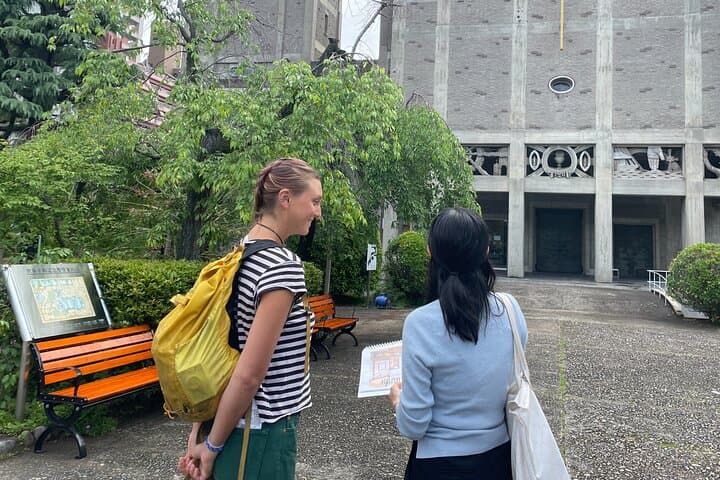
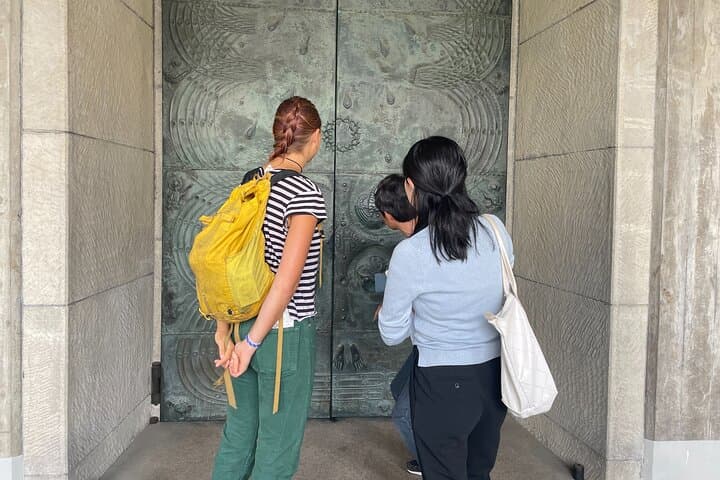
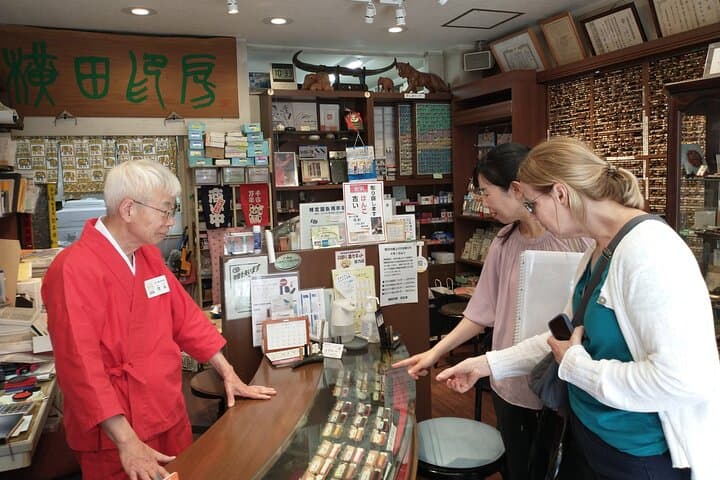
Hiroshima’s story is layered: a castle town on a river delta, rebuilt after 1945 into a pragmatic modern city. Along the route you'll pass Ebisu Shrine, cherished for roughly 400 years, and the Memorial Cathedral for World Peace, an early postwar cultural property that holds both grief and resolve. The tour threads local craft shops—a stamp maker still carving seals—and small tea houses where older residents meet.
Geology here is subtle: the city sits on alluvial plains fed by tributaries of the Seto Inland Sea, which shaped Hiroshima’s bridges and commercial corridors. Culture is immediate—conversations over hot okonomiyaki at Okonomimura, the layered savory pancake that became a Hiroshima specialty in the postwar years.
Practical guidance: wear comfortable shoes and carry a small umbrella—streets are flat but often wet. Take cash or an IC transit card for food stalls; many small vendors prefer it. Allow two hours to move at a relaxed pace and to pause at memorials; the guide balances context with local connection, so be ready to ask questions. Be respectful at peace sites: photography rules may apply and quiet is appreciated. This private walk gives a compact, human-scale view of a city shaped by history and everyday resilience.
easy.
2 hours.
Suitable for most people who can walk for 90–120 minutes with short standing stops
Yes—Hondori and many stops are flat and accessible; the operator notes wheelchair-accessible surfaces and transportation options.
Guide fee is included, but food at Okonomimura and other stalls is typically at your own expense so you can choose what to try.
Meeting is commonly at Hondori Shopping Arcade; the exact pickup point will be provided at booking and is reachable by public transport.
Yes—guides cover Hiroshima’s wartime history and reconstruction with context and respect; they tailor detail to participant interest.
Hiroshima evolved from a feudal castle town into an industrial and port city; the 1945 atomic bombing and postwar reconstruction are central to its modern identity, reflected in memorials and rebuilt neighborhoods.
Respect for peace sites is treated as conservation: avoid littering, follow signage, and support local shops rather than large chains to keep neighborhood commerce vibrant.
Sachi operates guided outdoor trips and adventures with an emphasis on safety, stewardship, and memorable experiences.
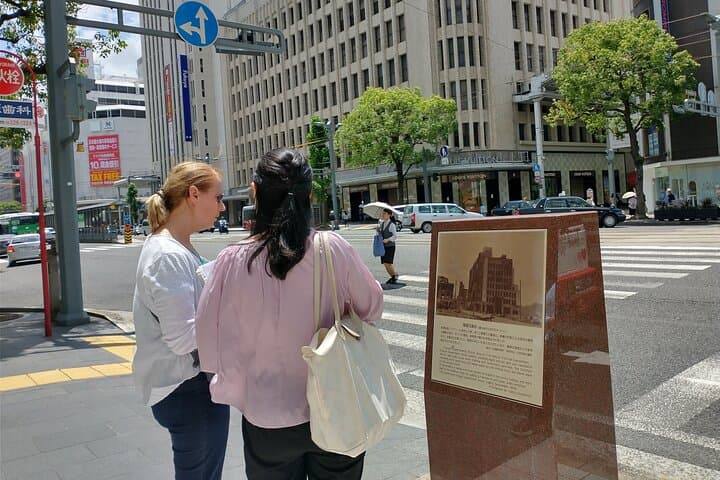
The walk begins under the covered roof of Hondori Shopping Arcade, where fluorescent signs hum and the Ota River pushes quietly through the city like a patient guide. You move from bright storefronts into narrow samurai-era lanes, the air shifting from commerce to the quieter cadence of neighborhood life.
The walk begins under the covered roof of Hondori Shopping Arcade, where fluorescent signs hum and the Ota River pushes quietly through the city like a patient guide. You move from bright storefronts into narrow samurai-era lanes, the air shifting from commerce to the quieter cadence of neighborhood life.
Hiroshima’s story is layered: a castle town on a river delta, rebuilt after 1945 into a pragmatic modern city. Along the route you'll pass Ebisu Shrine, cherished for roughly 400 years, and the Memorial Cathedral for World Peace, an early postwar cultural property that holds both grief and resolve. The tour threads local craft shops—a stamp maker still carving seals—and small tea houses where older residents meet.
Geology here is subtle: the city sits on alluvial plains fed by tributaries of the Seto Inland Sea, which shaped Hiroshima’s bridges and commercial corridors. Culture is immediate—conversations over hot okonomiyaki at Okonomimura, the layered savory pancake that became a Hiroshima specialty in the postwar years.
Practical guidance: wear comfortable shoes and carry a small umbrella—streets are flat but often wet. Take cash or an IC transit card for food stalls; many small vendors prefer it. Allow two hours to move at a relaxed pace and to pause at memorials; the guide balances context with local connection, so be ready to ask questions. Be respectful at peace sites: photography rules may apply and quiet is appreciated. This private walk gives a compact, human-scale view of a city shaped by history and everyday resilience.