THE ADVENTURE COLLECTIVE® · Independent discovery and booking for outdoor travel

Explore Hiroshima at your own pace with a GPS-guided mobile game that links the Peace Memorial Museum, Atomic Bomb Dome, Orizuru Tower, and historic gardens. This 1–2 hour walk blends interactive puzzles with sites of remembrance—perfect for curious travelers who prefer independent, reflective exploration.
Explore Hiroshima at your own pace with a GPS-guided mobile game that links the Peace Memorial Museum, Atomic Bomb Dome, Orizuru Tower, and historic gardens. This 1–2 hour walk blends interactive puzzles with sites of remembrance—perfect for curious travelers who prefer independent, reflective exploration.
You step off a tram into a broad, quiet plaza where the river moves like a careful listener and the Atomic Bomb Dome stands across the water, its skeletal roof daring you to remember.
Verified experiences and guided adventures in the surrounding area.
Operated by Leplace - interactive self-guided app tours · Hiroshima, Hiroshima Prefecture
You step off a tram into a broad, quiet plaza where the river moves like a careful listener and the Atomic Bomb Dome stands across the water, its skeletal roof daring you to remember.
This self-guided GPS walking tour uses a smartphone app to thread together Hiroshima’s most charged sites: the Peace Memorial Museum’s exhibits, the Children's Peace Monument and its cranes, the Dome’s ruin, Orizuru Tower’s rooftop views, reconstructed Hiroshima Castle, and the Edo-era paths of Shukkeien Gardens. The city’s geology—a flat delta fed by the Ota River—made it a strategic port and, tragically, the target in 1945; the urban grid and rebuilt castle keep carry both samurai-era and modern layers.
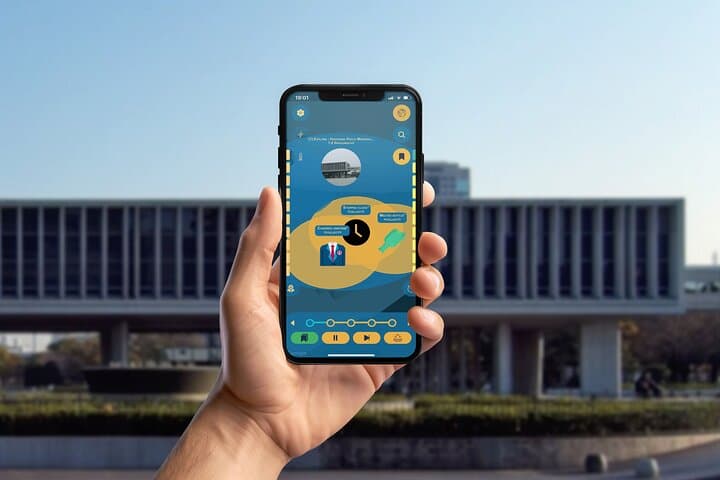
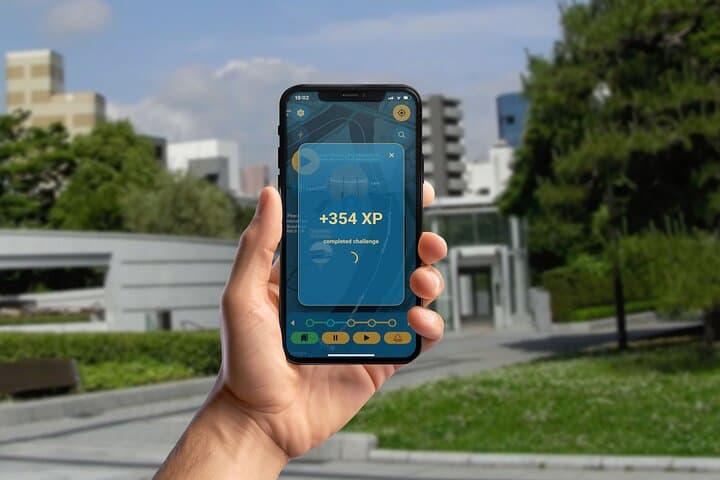
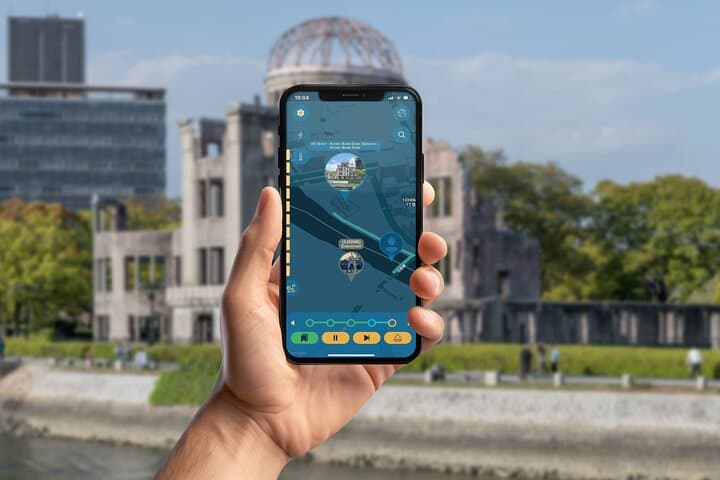
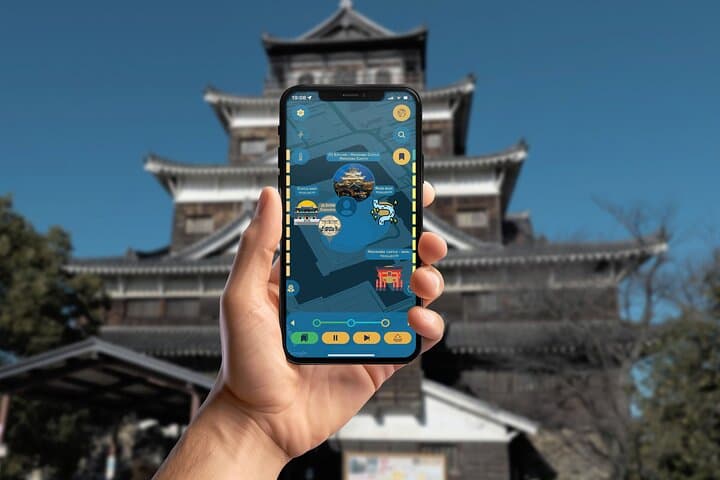
The experience mixes history and game mechanics: GPS-triggered stories, puzzle checkpoints, and short interpretive stops that let you linger or move on. Expect moments of silence in memorial plazas, folded-paper cranes on railings, and the whisper of garden ponds.
Practical guidance: allow 1–2 hours, wear comfortable shoes, and keep your phone charged. Start early to avoid school groups and tour buses; late afternoon light on the Dome is quieter and photogenic. The route is largely flat and transit-friendly—get off at Hiroshima Station or Kamiya-cho for a short walk.
Respectful behavior is essential—memorial sites are solemn spaces. The app is flexible: pause, resume, and detour to a shrine or tea house. For a compact, self-directed immersion into Hiroshima’s story of devastation and resilience, this walking game balances reflection with the mobility of modern travel.
easy.
1–2 hours.
Suitable for most walkers; minimal elevation and short distances between stops, but expects standing and light walking.
Plan for 60–120 minutes depending on how long you linger at museums, memorials, and gardens.
The app may require internet to download the tour initially; check for offline map options and download content before you start.
The route is mostly flat but some museum exhibits and garden paths have steps; the activity is not recommended for people with impaired mobility per the provider.
Language availability depends on the app version—confirm supported languages in the confirmation email or app store listing before booking.
Hiroshima was a prosperous castle town before 1945; the Atomic Bomb Dome is one of the city’s rare prewar structures preserved as a UNESCO World Heritage memorial.
Peace Park and museum operations emphasize education and preservation; visitors should avoid leaving offerings or paper at memorials beyond designated areas to protect site integrity.
Leplace - interactive self-guided app tours operates guided outdoor trips and adventures with an emphasis on safety, stewardship, and memorable experiences.
You step off a tram into a broad, quiet plaza where the river moves like a careful listener and the Atomic Bomb Dome stands across the water, its skeletal roof daring you to remember.
You step off a tram into a broad, quiet plaza where the river moves like a careful listener and the Atomic Bomb Dome stands across the water, its skeletal roof daring you to remember.
This self-guided GPS walking tour uses a smartphone app to thread together Hiroshima’s most charged sites: the Peace Memorial Museum’s exhibits, the Children's Peace Monument and its cranes, the Dome’s ruin, Orizuru Tower’s rooftop views, reconstructed Hiroshima Castle, and the Edo-era paths of Shukkeien Gardens. The city’s geology—a flat delta fed by the Ota River—made it a strategic port and, tragically, the target in 1945; the urban grid and rebuilt castle keep carry both samurai-era and modern layers.
The experience mixes history and game mechanics: GPS-triggered stories, puzzle checkpoints, and short interpretive stops that let you linger or move on. Expect moments of silence in memorial plazas, folded-paper cranes on railings, and the whisper of garden ponds.
Practical guidance: allow 1–2 hours, wear comfortable shoes, and keep your phone charged. Start early to avoid school groups and tour buses; late afternoon light on the Dome is quieter and photogenic. The route is largely flat and transit-friendly—get off at Hiroshima Station or Kamiya-cho for a short walk.
Respectful behavior is essential—memorial sites are solemn spaces. The app is flexible: pause, resume, and detour to a shrine or tea house. For a compact, self-directed immersion into Hiroshima’s story of devastation and resilience, this walking game balances reflection with the mobility of modern travel.