THE ADVENTURE COLLECTIVE® · Independent discovery and booking for outdoor travel

Walk Hiroshima’s key sites with a private guide on a focused two-hour route that links the feudal past of Hiroshima Castle with the solemn present of the Atomic Bomb Dome and Peace Memorial Park. This intimate tour offers historical context and practical, respectful access to the city’s defining landmarks.
Walk Hiroshima’s key sites with a private guide on a focused two-hour route that links the feudal past of Hiroshima Castle with the solemn present of the Atomic Bomb Dome and Peace Memorial Park. This intimate tour offers historical context and practical, respectful access to the city’s defining landmarks.
Morning light pools on the Motoyasu River as you step off the street and into a city that rebuilt itself from ash. The guide falls into step beside you, and the first view—Hiroshima Castle’s black-and-white keep rising above cherry trees—feels both ordinary and unlikely: a feudal watchtower on a modern grid.
Verified experiences and guided adventures in the surrounding area.
Operated by Opatrip.com Japan · Hiroshima, Hiroshima Prefecture
Morning light pools on the Motoyasu River as you step off the street and into a city that rebuilt itself from ash. The guide falls into step beside you, and the first view—Hiroshima Castle’s black-and-white keep rising above cherry trees—feels both ordinary and unlikely: a feudal watchtower on a modern grid.
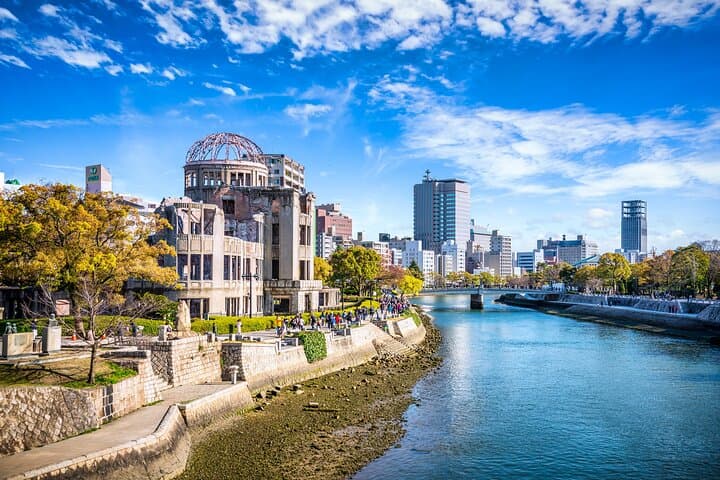
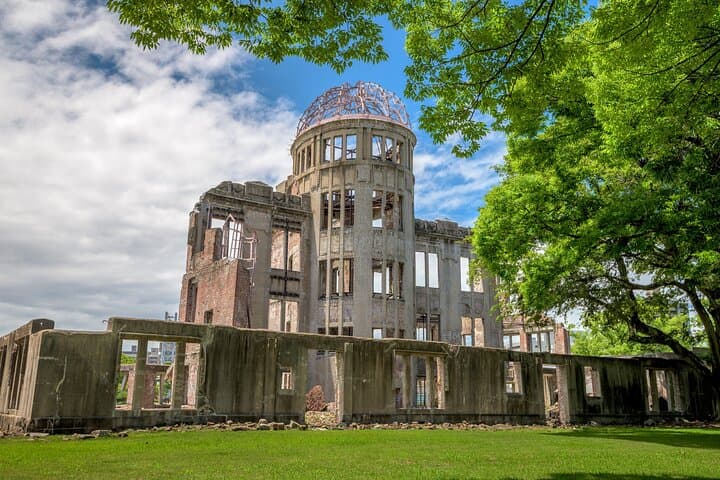
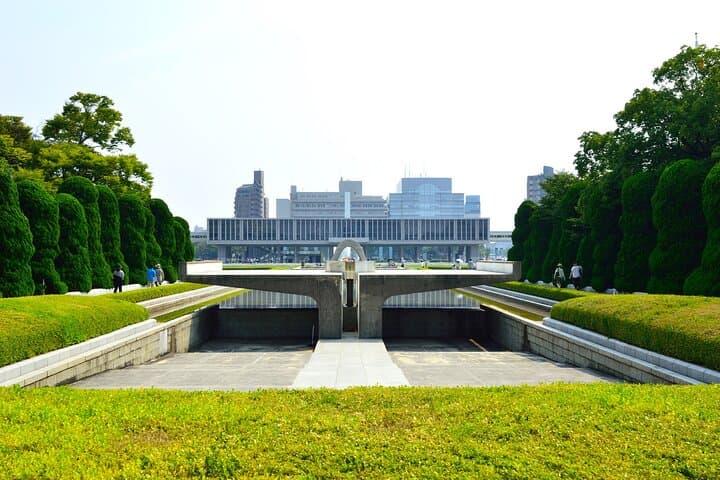
This two-hour private walk threads together layers of history. The castle dates to the late 16th century and today houses samurai artifacts and a city overview from its tower. The route then moves through urban shrine space at Hiroshima Gokoku Shrine, a quiet counterpoint to the civic grief concentrated at Peace Memorial Park. The Atomic Bomb Dome, preserved in its ruined form and listed as a UNESCO World Heritage site, anchors the narrative of 1945 and the city’s postwar recovery. Geologically, Hiroshima sits on a flat delta carved by the Ota River and opens onto the Seto Inland Sea—an easy landscape that made reconstruction possible.
Expect a compact, walkable loop of roughly 1.5–2 km between highlights, mostly paved paths with short stairs near castle areas. Bring water, modest dress for memorial sites, and a readiness to move at a reflective pace; respectful silence is often observed at monuments. Morning slots reduce crowds and the summer humidity; late afternoon brings softer light over the cenotaph. Verify language and accessibility needs with your operator in advance—this is a private tour tailored to attention and questions, best for travelers wanting a clear, human-centered account of Hiroshima’s past and present.
easy.
2 hours.
Suitable for all fitness levels; involves steady walking with occasional stairs
Admissions are generally not included; outdoor sites like the Atomic Bomb Dome are free, while museums (e.g., Peace Memorial Museum, castle exhibits) typically charge separate fees.
Much of Peace Memorial Park and surrounding streets are accessible, but some areas—like castle keep interiors—have stairs; confirm accessibility needs with the operator before booking.
The listing notes professional local guide services—confirm the guide’s language when booking to ensure your preferred language is available.
This product is listed as all sales final; no refunds are available for cancellations, so verify timing and participants prior to booking.
Hiroshima was a major castle town in the Sengoku period; the 1945 atomic bombing devastated the city, and postwar reconstruction emphasized peace memorialization alongside rebuilding civic life.
The Atom Bomb Dome and Peace Park are preserved as memorials, with ongoing conservation efforts prioritizing integrity and respectful visitor behavior; visitors are asked to reduce waste and follow site rules.
Opatrip.com Japan operates guided outdoor trips and adventures with an emphasis on safety, stewardship, and memorable experiences.

Morning light pools on the Motoyasu River as you step off the street and into a city that rebuilt itself from ash. The guide falls into step beside you, and the first view—Hiroshima Castle’s black-and-white keep rising above cherry trees—feels both ordinary and unlikely: a feudal watchtower on a modern grid.
Morning light pools on the Motoyasu River as you step off the street and into a city that rebuilt itself from ash. The guide falls into step beside you, and the first view—Hiroshima Castle’s black-and-white keep rising above cherry trees—feels both ordinary and unlikely: a feudal watchtower on a modern grid.
This two-hour private walk threads together layers of history. The castle dates to the late 16th century and today houses samurai artifacts and a city overview from its tower. The route then moves through urban shrine space at Hiroshima Gokoku Shrine, a quiet counterpoint to the civic grief concentrated at Peace Memorial Park. The Atomic Bomb Dome, preserved in its ruined form and listed as a UNESCO World Heritage site, anchors the narrative of 1945 and the city’s postwar recovery. Geologically, Hiroshima sits on a flat delta carved by the Ota River and opens onto the Seto Inland Sea—an easy landscape that made reconstruction possible.
Expect a compact, walkable loop of roughly 1.5–2 km between highlights, mostly paved paths with short stairs near castle areas. Bring water, modest dress for memorial sites, and a readiness to move at a reflective pace; respectful silence is often observed at monuments. Morning slots reduce crowds and the summer humidity; late afternoon brings softer light over the cenotaph. Verify language and accessibility needs with your operator in advance—this is a private tour tailored to attention and questions, best for travelers wanting a clear, human-centered account of Hiroshima’s past and present.