THE ADVENTURE COLLECTIVE® · Independent discovery and booking for outdoor travel

Spend a day guided by a Hiroshima native through Peace Memorial Park and across to Miyajima. This private, full-day tour blends survivor history, UNESCO heritage, and local insights for a concentrated, reflective experience.
Spend a day guided by a Hiroshima native through Peace Memorial Park and across to Miyajima. This private, full-day tour blends survivor history, UNESCO heritage, and local insights for a concentrated, reflective experience.
The day opens at Hiroshima Station, where the city’s pulse is steady and ordinary commuters weave past visitors heading toward a different itinerary: memory. A local guide—born in Hiroshima and carrying a family history of the 1945 bombing—leads a compact, emotionally clear route that moves from the modern avenues into the quiet geometry of Peace Memorial Park and then across the Seto Inland Sea to Miyajima’s shoreline.
Verified experiences and guided adventures in the surrounding area.
Operated by Hiroshima custom tour by certified guide Pancho (in English) · Hiroshima, Hiroshima Prefecture
The day opens at Hiroshima Station, where the city’s pulse is steady and ordinary commuters weave past visitors heading toward a different itinerary: memory. A local guide—born in Hiroshima and carrying a family history of the 1945 bombing—leads a compact, emotionally clear route that moves from the modern avenues into the quiet geometry of Peace Memorial Park and then across the Seto Inland Sea to Miyajima’s shoreline.
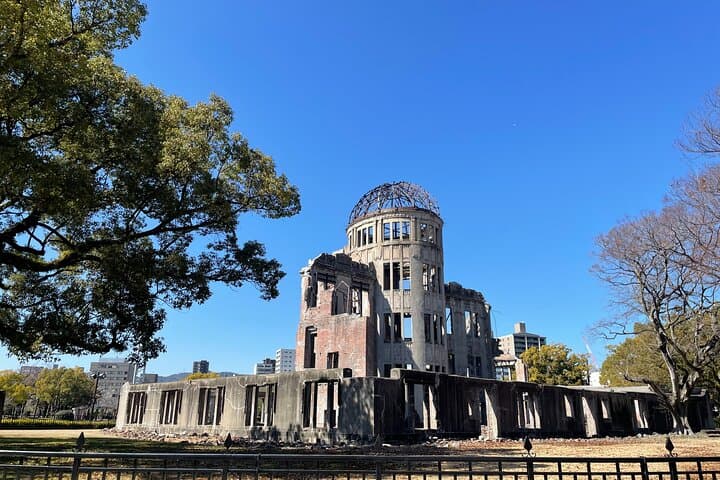
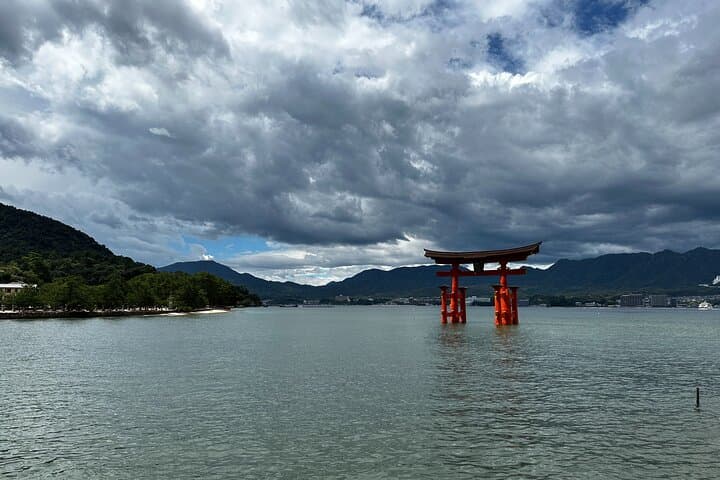
The story here is layered: post-war reconstruction reshaped Hiroshima’s urban plan, and Itsukushima Shrine on Miyajima traces older Shinto shipbuilding and coastal worship practices. Geologically, the Seto Inland Sea is a sheltered basin of shallow tides that make Miyajima’s Great Torii appear to float at high tide. Culturally, visitors encounter public rituals of remembrance—cenotaphs, paper cranes, and preserved ruins—that sit beside everyday markets and tramlines, a city balancing reflection with routine.
Expect roughly 7–8 hours of walking and short ferries, with focused time at the A-Bomb Dome, Children’s Peace Monument, and the Itsukushima Shrine complex (UNESCO). Terrain is mostly paved in the city and wooden boardwalks and stone steps on the island; some temple approaches are steep. The guide’s voice shapes the tour—personal anecdotes, survivor context, and local food recommendations—so questions are encouraged.
Practicalities: arrive with layers, comfortable shoes, a charged phone for photos, and modest timing for security lines at sacred sites. Hydrate between stops; the island’s shrines have limited shade in summer. This is not just a sightseeing loop but a paced, insightful day that pairs historical gravity with visible renewal.
moderate.
7–8 hours.
Light to moderate fitness; able to walk several miles with some stairs and stand during stops.
Meeting and finish points are at Hiroshima Station or your hotel in central Hiroshima; the guide meets you at the agreed location.
Admissions are not included; the guide will advise on any entrance fees and help with logistics.
Stroller access is possible in parts, but some temple areas and Miyajima stairs are difficult for wheelchairs—check specific accessibility needs with the operator.
Expect several miles of walking over the day; meals are not included but the guide can recommend and stop at local restaurants.
Hiroshima’s post-1945 city grid reflects deliberate rebuilding choices; Miyajima’s shrine complex dates back centuries and was designed to sit on tidal flats for ritual visibility.
Both Peace Park and Itsukushima are managed to balance visitor access with preservation; stay on marked paths, avoid leaving offerings outside designated areas, and follow local waste policies.
Hiroshima custom tour by certified guide Pancho (in English) operates guided outdoor trips and adventures with an emphasis on safety, stewardship, and memorable experiences.
The day opens at Hiroshima Station, where the city’s pulse is steady and ordinary commuters weave past visitors heading toward a different itinerary: memory. A local guide—born in Hiroshima and carrying a family history of the 1945 bombing—leads a compact, emotionally clear route that moves from the modern avenues into the quiet geometry of Peace Memorial Park and then across the Seto Inland Sea to Miyajima’s shoreline.
The day opens at Hiroshima Station, where the city’s pulse is steady and ordinary commuters weave past visitors heading toward a different itinerary: memory. A local guide—born in Hiroshima and carrying a family history of the 1945 bombing—leads a compact, emotionally clear route that moves from the modern avenues into the quiet geometry of Peace Memorial Park and then across the Seto Inland Sea to Miyajima’s shoreline.
The story here is layered: post-war reconstruction reshaped Hiroshima’s urban plan, and Itsukushima Shrine on Miyajima traces older Shinto shipbuilding and coastal worship practices. Geologically, the Seto Inland Sea is a sheltered basin of shallow tides that make Miyajima’s Great Torii appear to float at high tide. Culturally, visitors encounter public rituals of remembrance—cenotaphs, paper cranes, and preserved ruins—that sit beside everyday markets and tramlines, a city balancing reflection with routine.
Expect roughly 7–8 hours of walking and short ferries, with focused time at the A-Bomb Dome, Children’s Peace Monument, and the Itsukushima Shrine complex (UNESCO). Terrain is mostly paved in the city and wooden boardwalks and stone steps on the island; some temple approaches are steep. The guide’s voice shapes the tour—personal anecdotes, survivor context, and local food recommendations—so questions are encouraged.
Practicalities: arrive with layers, comfortable shoes, a charged phone for photos, and modest timing for security lines at sacred sites. Hydrate between stops; the island’s shrines have limited shade in summer. This is not just a sightseeing loop but a paced, insightful day that pairs historical gravity with visible renewal.