THE ADVENTURE COLLECTIVE® · Independent discovery and booking for outdoor travel

Take a seamless, guided day trip from Hiroshima to Miyajima’s iconic Itsukushima Shrine, ride the short ferry across the Seto Inland Sea, sample local seafood, and — if you choose — finish with a visit to Hiroshima Peace Memorial Park. Expect cultural depth, coastal views, and easy walking.
Take a seamless, guided day trip from Hiroshima to Miyajima’s iconic Itsukushima Shrine, ride the short ferry across the Seto Inland Sea, sample local seafood, and — if you choose — finish with a visit to Hiroshima Peace Memorial Park. Expect cultural depth, coastal views, and easy walking.
You step off the ferry and the sea seems to frame the torii like a stage curtain, the tide deciding whether the gate will float or stand on a sand stage. The island air carries the scent of grilled oysters and the quiet confidence of freely roaming sika deer that meander through narrow streets.
Verified experiences and guided adventures in the surrounding area.
Operated by Amigo Tours Japan · Hiroshima, Hiroshima Prefecture
You step off the ferry and the sea seems to frame the torii like a stage curtain, the tide deciding whether the gate will float or stand on a sand stage. The island air carries the scent of grilled oysters and the quiet confidence of freely roaming sika deer that meander through narrow streets.
Miyajima’s Itsukushima Shrine dates its religious significance back centuries; the shrine complex you visit today reflects major rebuilds from the Heian and later samurai eras and is a UNESCO World Heritage Site. Geologically, Miyajima is the remnant of volcanic activity that shaped the Seto Inland Sea’s mottled coastline, creating sheltered waters and steep, forested slopes—Mount Misen’s trails climb abruptly, rewarding hikers with wide views.
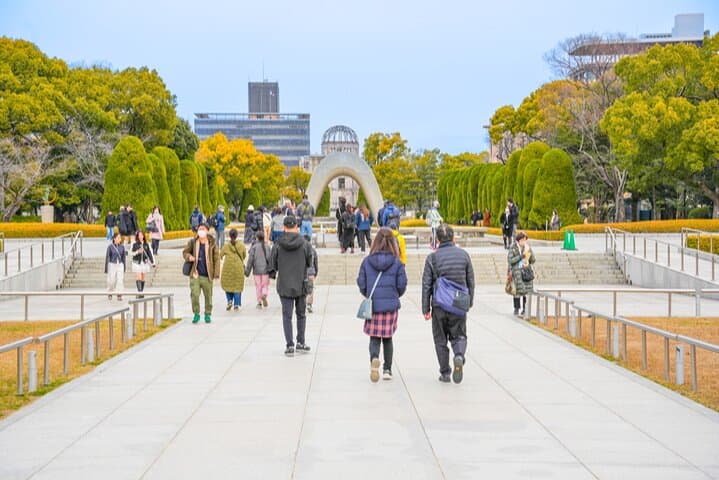
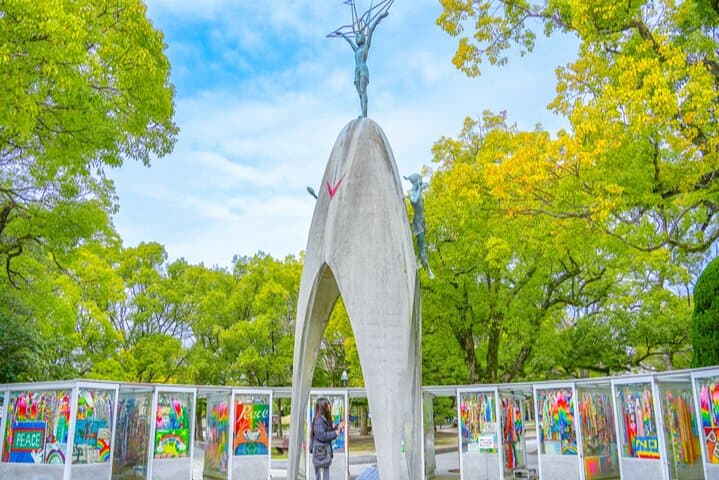
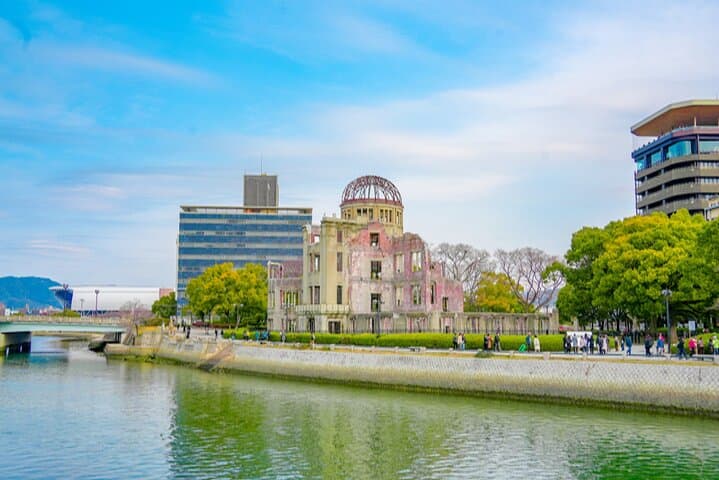
Culturally, the island balances Shinto ritual with a living local economy—momiji manju and freshly grilled oysters are as much part of the visit as prayer halls. In Hiroshima, the Peace Memorial Park and Atomic Bomb Dome ground the day in a modern, global history of loss and renewal.
Practical guidance: plan an 8‑hour day with comfortable walking shoes and layered clothing—the ferry crossings are brief but breezy. Peak visitor seasons (cherry blossom and autumn foliage) bring crowds; arrive early if you want photos of the torii with fewer people. Respect wildlife: do not feed deer and keep a safe distance. If you include Hiroshima, set aside at least 90 minutes in the Peace Park for reflection. Bring cash or an IC card for snacks and small shops; many vendors accept cards but some remain cash-only.
easy.
8 hours.
Suitable for most fitness levels; involves several hours of walking on paved streets and some uneven shrine boardwalks and stairs.
The ferry crossing from Miyajimaguchi to Miyajima takes about 10 minutes; it runs frequently and is included in this tour’s ferry ticket.
Many areas around the shrine are level boardwalks, but some sections have steps; contact the operator ahead for specific accessibility arrangements and meeting point details.
Yes—the tour includes entrance to Itsukushima Shrine; check your booking option for whether the Hiroshima Peace Memorial Park visit is included in your selected itinerary.
Yes—there is an option that covers only Miyajima; meeting points differ depending on whether you booked Miyajima only or the combined Hiroshima & Miyajima tour.
Itsukushima has been an important Shinto site for over a millennium; the current shrine complex reflects major medieval rebuilds and Miyajima’s role as a sacred island. Hiroshima’s Peace Memorial Park commemorates the 1945 atomic bombing and the city’s postwar dedication to peace.
High visitor numbers stress island infrastructure; follow marked paths, don’t feed wildlife, and support local vendors to help sustain the small island economy.
Amigo Tours Japan operates guided outdoor trips and adventures with an emphasis on safety, stewardship, and memorable experiences.
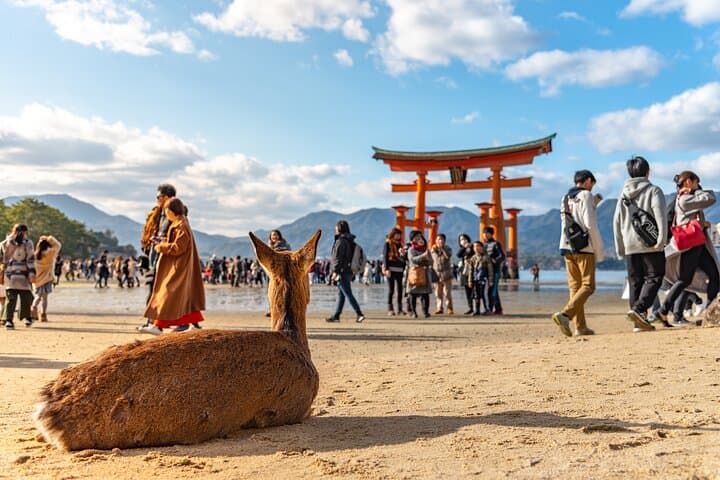
You step off the ferry and the sea seems to frame the torii like a stage curtain, the tide deciding whether the gate will float or stand on a sand stage. The island air carries the scent of grilled oysters and the quiet confidence of freely roaming sika deer that meander through narrow streets.
You step off the ferry and the sea seems to frame the torii like a stage curtain, the tide deciding whether the gate will float or stand on a sand stage. The island air carries the scent of grilled oysters and the quiet confidence of freely roaming sika deer that meander through narrow streets.
Miyajima’s Itsukushima Shrine dates its religious significance back centuries; the shrine complex you visit today reflects major rebuilds from the Heian and later samurai eras and is a UNESCO World Heritage Site. Geologically, Miyajima is the remnant of volcanic activity that shaped the Seto Inland Sea’s mottled coastline, creating sheltered waters and steep, forested slopes—Mount Misen’s trails climb abruptly, rewarding hikers with wide views.
Culturally, the island balances Shinto ritual with a living local economy—momiji manju and freshly grilled oysters are as much part of the visit as prayer halls. In Hiroshima, the Peace Memorial Park and Atomic Bomb Dome ground the day in a modern, global history of loss and renewal.
Practical guidance: plan an 8‑hour day with comfortable walking shoes and layered clothing—the ferry crossings are brief but breezy. Peak visitor seasons (cherry blossom and autumn foliage) bring crowds; arrive early if you want photos of the torii with fewer people. Respect wildlife: do not feed deer and keep a safe distance. If you include Hiroshima, set aside at least 90 minutes in the Peace Park for reflection. Bring cash or an IC card for snacks and small shops; many vendors accept cards but some remain cash-only.