THE ADVENTURE COLLECTIVE® · Independent discovery and booking for outdoor travel

Spend a day moving from Hiroshima’s Peace Memorial Park to the red Torii of Itsukushima on Miyajima. This guided bus tour pairs reflective history at the Atomic Bomb Dome with the saline light and shrine architecture of Miyajima, plus an included Indian lunch.
Spend a day moving from Hiroshima’s Peace Memorial Park to the red Torii of Itsukushima on Miyajima. This guided bus tour pairs reflective history at the Atomic Bomb Dome with the saline light and shrine architecture of Miyajima, plus an included Indian lunch.
You step off the air‑conditioned bus at Hiroshima Station and a city of hard edges and quiet courtyards unfolds — glass and concrete interrupted by a hollowed dome that holds the weight of memory.
Verified experiences and guided adventures in the surrounding area.
Operated by H.I.S.Co., Ltd. · Hiroshima, Hiroshima Prefecture
You step off the air‑conditioned bus at Hiroshima Station and a city of hard edges and quiet courtyards unfolds — glass and concrete interrupted by a hollowed dome that holds the weight of memory.
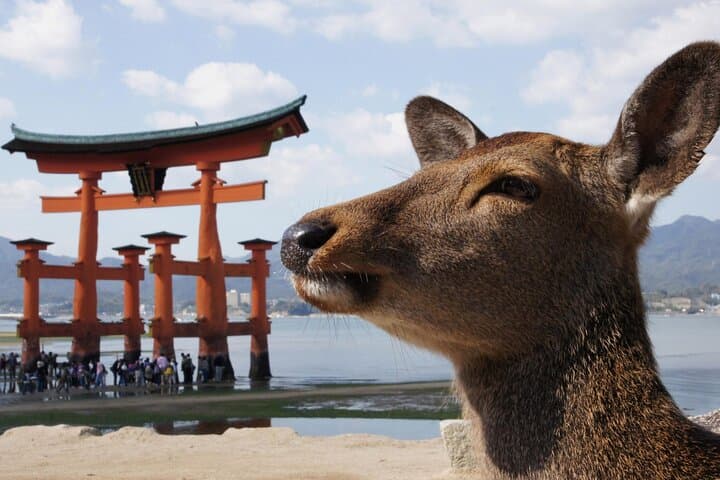
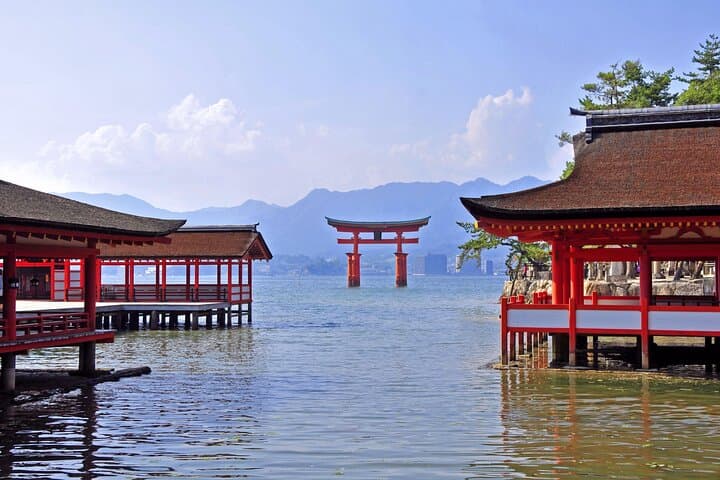
The route threads from the Atomic Bomb Dome and Peace Memorial Park, where Kenzo Tange’s museum spaces and stone monuments catalogue a modern catastrophe, to the soft salt air of the Seto Inland Sea and Itsukushima’s scarlet shrine. Itsukushima’s Great Torii stands offshore like a door daring the tide; the ferry gives you the closest cinematic view before you set foot on the island’s paths.
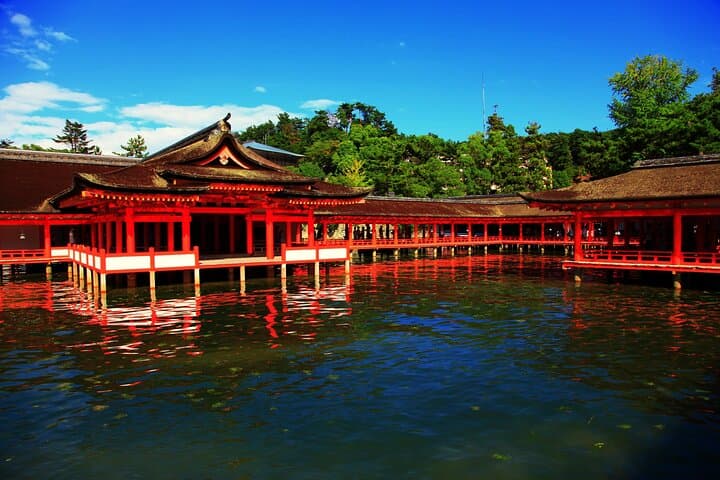
Hiroshima’s story is both contemporary civic reconstruction and centuries‑old culture: the A‑bomb Dome is a UNESCO memorial while Itsukushima Shrine represents Shinto architecture elevated on piers over tidal flats. Along the way you’ll pass the Gandhi statue and local nodes of daily life — market stalls, okonomiyaki shops, and narrow streets leading to Ryokan entrances.
Practically, expect six to eight hours of low‑impact walking with museum corridors, paved parkland, ferry transfers, and a mid‑day restaurant stop for Indian curry that can be made vegetarian. Bring a light layer for sea breeze, comfortable shoes for museum steps and shrine boardwalks, and a small daypack for water and a camera. The tour runs on a fixed schedule; arrive at Hiroshima Station 15 minutes early. If you want a close photo of the Torii, the ferry offers the best angle without entering shrine grounds after dusk.
easy.
6–8 hours.
Suitable for travelers comfortable with several hours of walking and standing; minimal elevation but some stairs and boardwalks.
Yes — the included Indian curry can be adjusted to vegetarian; inform the operator of allergies or restrictions when booking.
The bus and much of Peace Memorial Park are accessible, but some shrine areas and wooden boardwalks on Miyajima have steps and uneven surfaces; contact the operator before booking.
You’ll get a close, framed view from the ferry and time on the island to walk nearby, but the Torii itself sits offshore and is best photographed from specific vantage points the tour provides.
The itinerary may be adjusted to another peace memorial facility if the main museum is closed for maintenance or events.
The Atomic Bomb Dome is a preserved ruin and UNESCO World Heritage Site symbolizing the push for nuclear disarmament; Itsukushima Shrine dates to the 6th century with its iconic pier‑style architecture.
Both sites emphasize respectful behavior—don’t feed deer, follow shrine etiquette, and support preservation by staying on paths and disposing of waste properly.
H.I.S.Co., Ltd. operates guided outdoor trips and adventures with an emphasis on safety, stewardship, and memorable experiences.

You step off the air‑conditioned bus at Hiroshima Station and a city of hard edges and quiet courtyards unfolds — glass and concrete interrupted by a hollowed dome that holds the weight of memory.
You step off the air‑conditioned bus at Hiroshima Station and a city of hard edges and quiet courtyards unfolds — glass and concrete interrupted by a hollowed dome that holds the weight of memory.
The route threads from the Atomic Bomb Dome and Peace Memorial Park, where Kenzo Tange’s museum spaces and stone monuments catalogue a modern catastrophe, to the soft salt air of the Seto Inland Sea and Itsukushima’s scarlet shrine. Itsukushima’s Great Torii stands offshore like a door daring the tide; the ferry gives you the closest cinematic view before you set foot on the island’s paths.
Hiroshima’s story is both contemporary civic reconstruction and centuries‑old culture: the A‑bomb Dome is a UNESCO memorial while Itsukushima Shrine represents Shinto architecture elevated on piers over tidal flats. Along the way you’ll pass the Gandhi statue and local nodes of daily life — market stalls, okonomiyaki shops, and narrow streets leading to Ryokan entrances.
Practically, expect six to eight hours of low‑impact walking with museum corridors, paved parkland, ferry transfers, and a mid‑day restaurant stop for Indian curry that can be made vegetarian. Bring a light layer for sea breeze, comfortable shoes for museum steps and shrine boardwalks, and a small daypack for water and a camera. The tour runs on a fixed schedule; arrive at Hiroshima Station 15 minutes early. If you want a close photo of the Torii, the ferry offers the best angle without entering shrine grounds after dusk.