THE ADVENTURE COLLECTIVE® · Independent discovery and booking for outdoor travel

See Miyajima’s famous ‘‘floating’’ torii and Hiroshima’s Peace Memorial Park in a single day. This accessible cruise blends coastal scenery, tame wild deer and solemn history with minimal transfers.
See Miyajima’s famous ‘‘floating’’ torii and Hiroshima’s Peace Memorial Park in a single day. This accessible cruise blends coastal scenery, tame wild deer and solemn history with minimal transfers.
You step from the ferry and the torii gate rises from the sea like a gatekeeper—water laps at its pillars, gulls wheel and the island’s deer wander the stone walkways as if they own the schedule. From the deck on approach you see Hiroshima’s low skyline recede, then the peaceful sweep of Miyajima’s shoreline draw you in.
Verified experiences and guided adventures in the surrounding area.
Operated by H.I.S.Co., Ltd. · Hiroshima, Hiroshima Prefecture
You step from the ferry and the torii gate rises from the sea like a gatekeeper—water laps at its pillars, gulls wheel and the island’s deer wander the stone walkways as if they own the schedule. From the deck on approach you see Hiroshima’s low skyline recede, then the peaceful sweep of Miyajima’s shoreline draw you in.
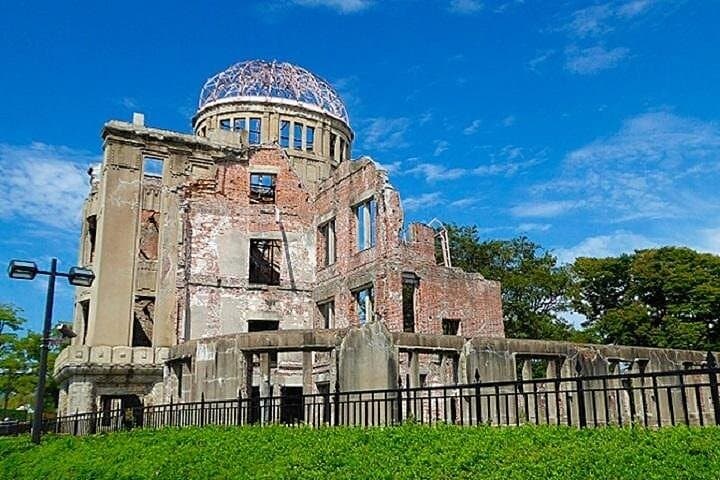
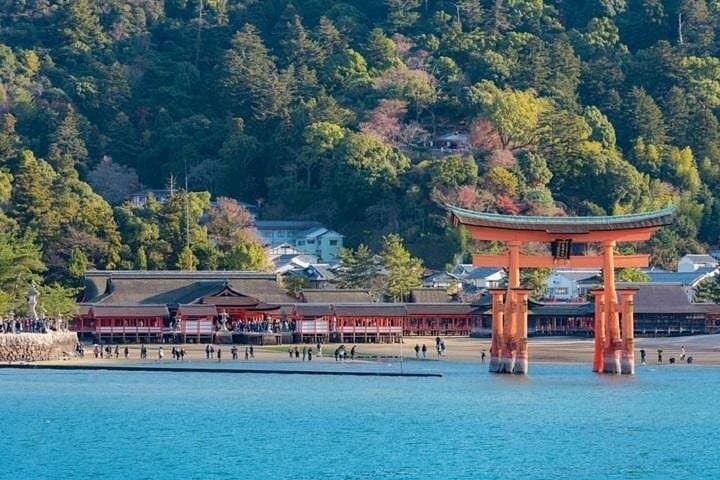
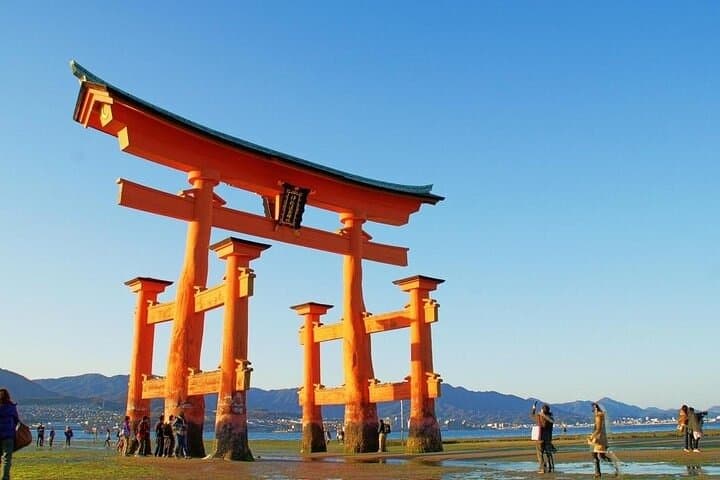
This day tour folds together two very different chapters of Japan’s past: Miyajima’s Itsukushima Shrine, built on stilts above tidal flats and an expression of Shinto reverence for sea and mountain, and Hiroshima’s Peace Memorial Park with the Atomic Bomb Dome that anchors a 20th‑century history of loss and a postwar civic commitment to remembrance. Geologically the Seto Inland Sea’s gentle tides reveal mudflats and seaweed beds at low tide, allowing visitors to walk closer to the torii; at high tide the shrine appears to float. Culturally, Miyajima’s deer are habituated but remain wild—treat them as guests rather than pets.
Practical guidance: the full itinerary runs about 7–8 hours with straightforward walking on boardwalks, paved paths and ferry ramps; wear comfortable shoes with good traction for slippery boardwalks and tidal rocks. Check tide times if you want the floating‑torii photo, and budget time at the Peace Memorial Museum for reflective exhibits. Bring water, travel card for local transit if you’ll extend beyond the included ferry, and modest clothing for shrine visits. Respect signage in Peace Park and be prepared for crowds midday—early departures and late afternoons are quieter. This is an accessible, low‑tech day that combines coastal scenery, wildlife moments and serious history in one manageable loop.
easy.
7–8 hours.
Suitable for most fitness levels; involves moderate walking on mostly flat to gently sloped surfaces
Expect about 7–8 hours; the itinerary typically includes ferry transport between Hiroshima and Miyajima, an English guide, local train fare and timed visits to the Peace Memorial Park and Itsukushima Shrine.
Yes—at high tide the gate appears to float from the ferry; at low tide you can walk closer across exposed sand and rocks. Check tide charts to match your preference.
Major paths at Peace Memorial Park and ferry ramps are generally accessible, and many areas on Miyajima have boardwalk access, but some shrine platforms and shorelines have steps—confirm specifics with the operator if you require full accessibility.
You will likely encounter free‑roaming deer that are accustomed to people; treat them respectfully and avoid feeding them human food.
Itsukushima Shrine dates back centuries as a Shinto pilgrimage site; Hiroshima’s Peace Memorial Park preserves the Atomic Bomb Dome and museum documenting the 1945 bombing and the city’s postwar peace movement.
Visitor impact is managed through signage and limited access to sensitive shrine areas; avoid feeding wildlife and stick to paths to protect tidal ecosystems.
H.I.S.Co., Ltd. operates guided outdoor trips and adventures with an emphasis on safety, stewardship, and memorable experiences.

You step from the ferry and the torii gate rises from the sea like a gatekeeper—water laps at its pillars, gulls wheel and the island’s deer wander the stone walkways as if they own the schedule. From the deck on approach you see Hiroshima’s low skyline recede, then the peaceful sweep of Miyajima’s shoreline draw you in.
You step from the ferry and the torii gate rises from the sea like a gatekeeper—water laps at its pillars, gulls wheel and the island’s deer wander the stone walkways as if they own the schedule. From the deck on approach you see Hiroshima’s low skyline recede, then the peaceful sweep of Miyajima’s shoreline draw you in.
This day tour folds together two very different chapters of Japan’s past: Miyajima’s Itsukushima Shrine, built on stilts above tidal flats and an expression of Shinto reverence for sea and mountain, and Hiroshima’s Peace Memorial Park with the Atomic Bomb Dome that anchors a 20th‑century history of loss and a postwar civic commitment to remembrance. Geologically the Seto Inland Sea’s gentle tides reveal mudflats and seaweed beds at low tide, allowing visitors to walk closer to the torii; at high tide the shrine appears to float. Culturally, Miyajima’s deer are habituated but remain wild—treat them as guests rather than pets.
Practical guidance: the full itinerary runs about 7–8 hours with straightforward walking on boardwalks, paved paths and ferry ramps; wear comfortable shoes with good traction for slippery boardwalks and tidal rocks. Check tide times if you want the floating‑torii photo, and budget time at the Peace Memorial Museum for reflective exhibits. Bring water, travel card for local transit if you’ll extend beyond the included ferry, and modest clothing for shrine visits. Respect signage in Peace Park and be prepared for crowds midday—early departures and late afternoons are quieter. This is an accessible, low‑tech day that combines coastal scenery, wildlife moments and serious history in one manageable loop.