
Hirkan & Qizilagac National Reserves Tour — Azerbaijan's Forests and Bird Havens
A full-day circuit through Hirkan’s ancient deciduous forests and the reed-lined lagoons of Qizil-Aghach, this tour pairs mountain hikes with coastal birdwatching. Expect long drives, guided walks, and a close look at Azerbaijan’s rare plants and migratory birds.
An Adventure In Baku.
A full-day circuit through Hirkan’s ancient deciduous forests and the reed-lined lagoons of Qizil-Aghach, this tour pairs mountain hikes with coastal birdwatching. Expect long drives, guided walks, and a close look at Azerbaijan’s rare plants and migratory birds.
Read the full experience
Morning light on the Caspian slides over salt flats and then into green: the bus hums south from Baku and the landscape shifts, roads climbing toward the Talysh foothills where Hirkan’s ancient broadleaf forest takes over.
Morning light on the Caspian slides over salt flats and then into green: the bus hums south from Baku and the landscape shifts, roads climbing toward the Talysh foothills where Hirkan’s ancient broadleaf forest takes over.
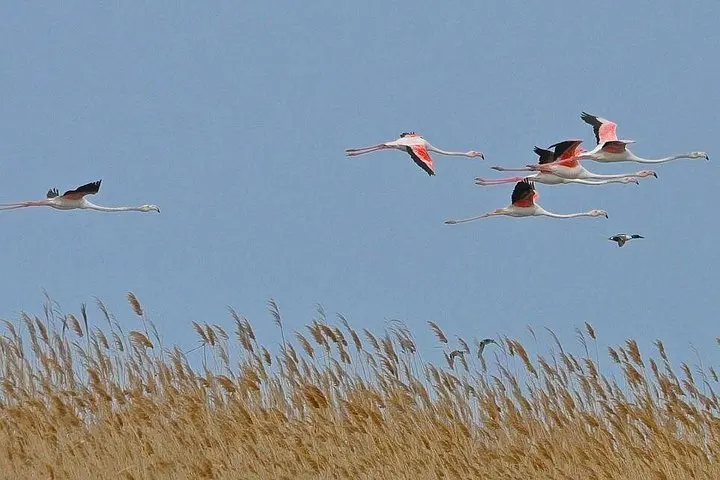
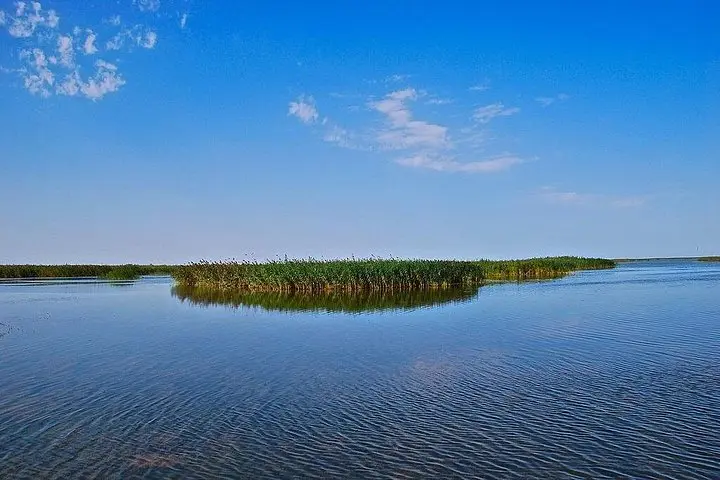
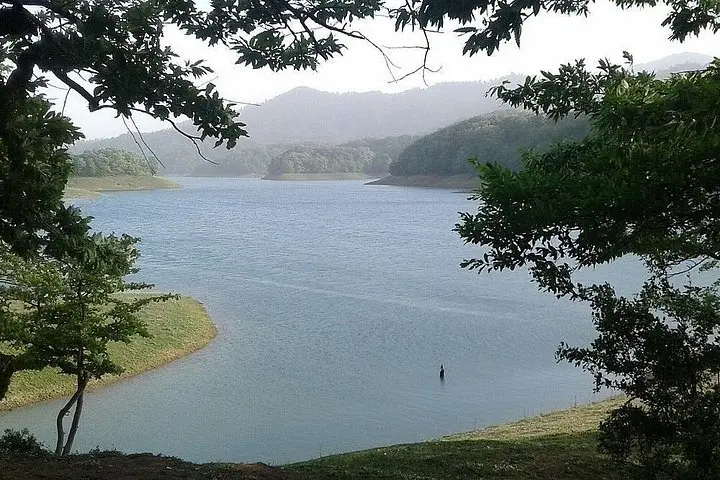
Hirkan National Park is a mountainous, deciduous wilderness whose lungs hold more than 1,300 plant species — including 29 plants endemic to Azerbaijan and another 29 endemic to the Caucasus — and the ghosted possibility of Persian leopard sightings first confirmed in 2007. Down toward the coast, Qizil-Aghach State Reserve opens into reedbeds and lagoons where migratory flocks funnel from Siberia and northern Europe; established in 1929, it remains a key wintering site for waterfowl. The tour typically also touches Lake Khanbulan in the Lankaran foothills and Shirvan National Park’s open wetlands, offering contrasts of dense montane woods, calm reservoirs, and broad salt marshes.
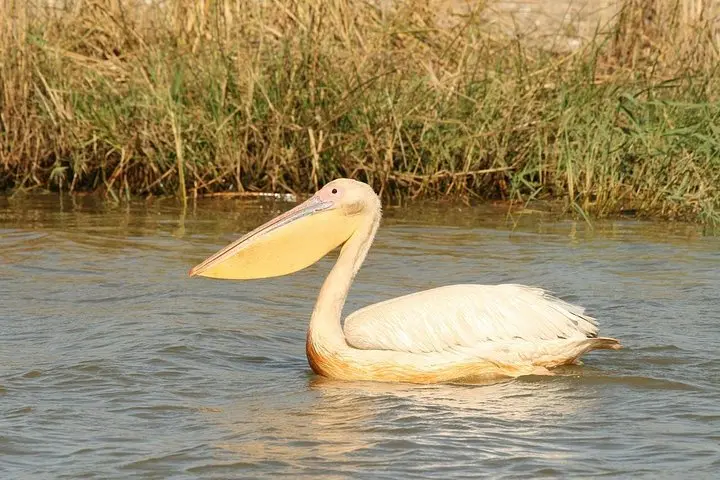
Expect long driving legs punctuated by guided walks, birdwatching points and short nature hikes. Binoculars and a patient eye reward you with herons, ducks, and occasionally roe deer or fox. Cultural notes: local Talysh villages and Soviet-era reservoirs reflect layered land use and a history of conservation that dates to the early 20th century.
Practical guidance: this is a 10–12 hour day with private transport and a guide included. Wear sturdy, broken-in shoes, dress in layers against coastal wind and mountain shade, pack water, snacks, insect repellent and a camera with a zoom lens. Respect reserve rules—stay on paths, keep distance from wildlife, and follow your guide’s directions to protect sensitive wintering and nesting sites.
Frequently asked questions
The tour runs about 10–12 hours (600–720 minutes) with private transport and guide included.
Admission for some reserves may not be included; confirm with the operator before booking.
Yes—this tour is listed as suitable for all fitness levels, but long travel days and short hikes require basic mobility.
Leopard sightings are very rare; the species is present in the region, but encounters are uncommon and cannot be guaranteed.
About This Experience
Tours in azerbaijan operates guided outdoor trips and adventures with an emphasis on safety, stewardship, and memorable experiences.
Adventure tips
Recommended gear
- Binoculars: Essential for observing distant waterfowl and woodland birds in reserves.
- Sturdy hiking shoes: Provides traction on wet, uneven forest trails and reservoir banks.
- Layered clothing: Helps adapt to cool forest shade, warm coastal sun, and variable winds.
- Insect repellent and sun protection: Repellent reduces bites in forested areas; sunscreen protects on exposed lagoons.
Photos of the experience
Related adventures & guides
Read the full experience
Morning light on the Caspian slides over salt flats and then into green: the bus hums south from Baku and the landscape shifts, roads climbing toward the Talysh foothills where Hirkan’s ancient broadleaf forest takes over.
Morning light on the Caspian slides over salt flats and then into green: the bus hums south from Baku and the landscape shifts, roads climbing toward the Talysh foothills where Hirkan’s ancient broadleaf forest takes over.
Hirkan National Park is a mountainous, deciduous wilderness whose lungs hold more than 1,300 plant species — including 29 plants endemic to Azerbaijan and another 29 endemic to the Caucasus — and the ghosted possibility of Persian leopard sightings first confirmed in 2007. Down toward the coast, Qizil-Aghach State Reserve opens into reedbeds and lagoons where migratory flocks funnel from Siberia and northern Europe; established in 1929, it remains a key wintering site for waterfowl. The tour typically also touches Lake Khanbulan in the Lankaran foothills and Shirvan National Park’s open wetlands, offering contrasts of dense montane woods, calm reservoirs, and broad salt marshes.
Expect long driving legs punctuated by guided walks, birdwatching points and short nature hikes. Binoculars and a patient eye reward you with herons, ducks, and occasionally roe deer or fox. Cultural notes: local Talysh villages and Soviet-era reservoirs reflect layered land use and a history of conservation that dates to the early 20th century.
Practical guidance: this is a 10–12 hour day with private transport and a guide included. Wear sturdy, broken-in shoes, dress in layers against coastal wind and mountain shade, pack water, snacks, insect repellent and a camera with a zoom lens. Respect reserve rules—stay on paths, keep distance from wildlife, and follow your guide’s directions to protect sensitive wintering and nesting sites.
Make a day of it nearby.
Verified experiences and guided adventures in the surrounding area.