THE ADVENTURE COLLECTIVE® · Independent discovery and booking for outdoor travel

Spend 3–6 hours in Hiriwadunna village: boat crossings, a bullock cart ride and a hands‑on Sri Lankan lunch with local hosts. Expect abundant birdlife, simple village lanes and a practical cooking demo.
Spend 3–6 hours in Hiriwadunna village: boat crossings, a bullock cart ride and a hands‑on Sri Lankan lunch with local hosts. Expect abundant birdlife, simple village lanes and a practical cooking demo.
The sun lifts off the flat reservoir and throws light across water where kingfishers skitter and dragonflies patrol like tiny sentries.
Verified experiences and guided adventures in the surrounding area.
Operated by Sigiritrip Tours · Hiriwadunna, Central Province
The sun lifts off the flat reservoir and throws light across water where kingfishers skitter and dragonflies patrol like tiny sentries.
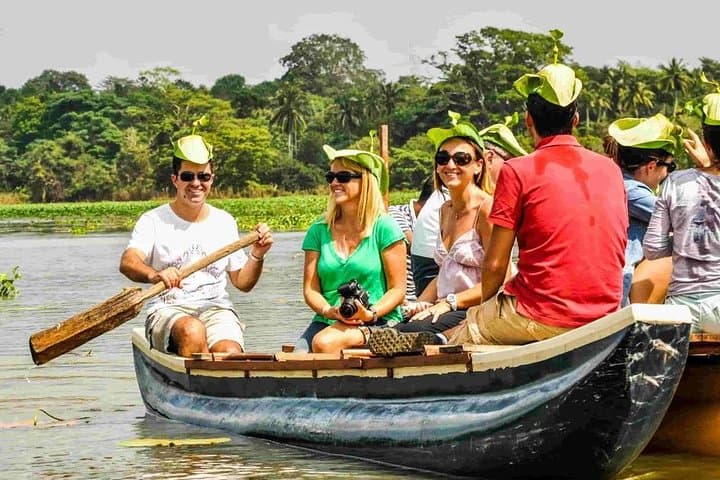
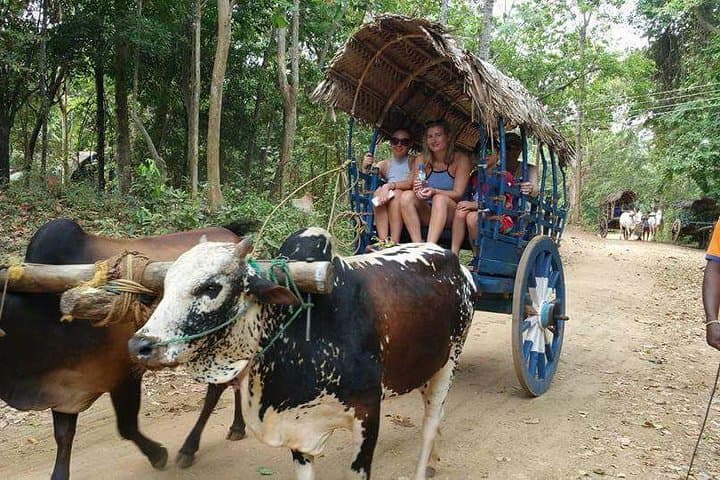
You arrive at Hiriwadunna in the Central Province and step into routine more than a performance: women at a small kitchen fan a wood fire, a bullock cart plods along a dust lane, and the reservoir’s reeds whisper at the edge. This tour combines short boat crossings, a tuk‑tuk hop and a catamaran glide to reach the village, then a slow bullock‑cart ride and a home‑cooked Sri Lankan lunch prepared by local women.
The area sits on limestone and red-earth soils shaped by monsoon flows; villages here grew around tanks (manmade reservoirs) dating to ancient irrigation systems that supported rice and fishing communities for centuries. Birdlife is prolific — wagtails, kingfishers and seasonal migrant species — while crocodiles occasionally warm themselves along quieter banks.
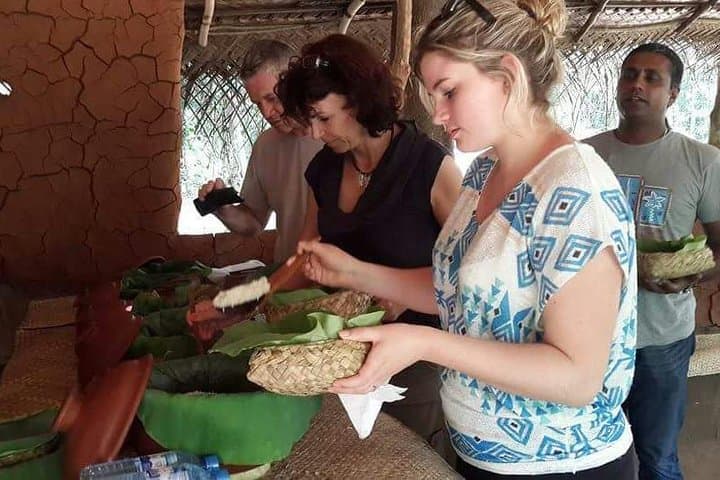
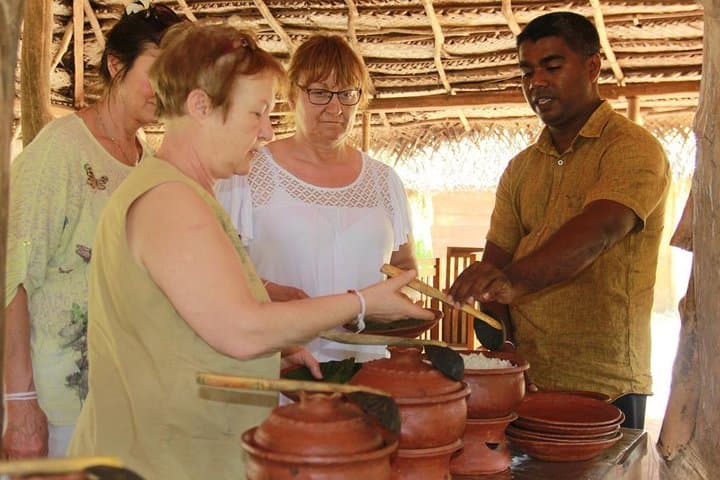
Expect a hands‑on cooking class focused on rice, curry and sambol, plus demonstration of local spice usage and simple clay‑oven techniques. The walkable village routes are flat but can be dusty; surfaces range from packed earth to short boardwalks by the water.
Practical guidance: plan for a 3–6 hour morning or afternoon outing to avoid the hottest midday sun. Lightweight, breathable clothing, sun protection and good walking sandals are recommended. Bring insect repellent, a small camera and cash for small purchases. The experience is family‑friendly and rated easy — it’s cultural immersion with manageable logistics and plenty of sensory detail to take home.
easy.
3–6 hours.
Suitable for all fitness levels; involves short walks on flat, sometimes uneven ground and brief boat or cart rides.
The experience runs about 3–6 hours depending on pickup location and stops, typically scheduled in the morning or afternoon.
Yes — it’s suitable for children and all fitness levels; infant seats and wheelchair‑accessible transport are available on request.
You may spot birds, butterflies and occasionally a marsh crocodile along the reservoir—maintain distance and follow guide instructions.
Hosts can often accommodate common dietary requests if noted at booking; communicate allergies or preferences in advance.
The village sits beside traditional tanks that are part of Sri Lanka’s ancient irrigation network; these small reservoirs supported rice farming and settlement patterns for centuries.
Visitors should avoid single‑use plastics, respect fishing areas and follow local guidance to minimize disturbance to birds and shoreline habitats.
Sigiritrip Tours operates guided outdoor trips and adventures with an emphasis on safety, stewardship, and memorable experiences.
The sun lifts off the flat reservoir and throws light across water where kingfishers skitter and dragonflies patrol like tiny sentries.
The sun lifts off the flat reservoir and throws light across water where kingfishers skitter and dragonflies patrol like tiny sentries.
You arrive at Hiriwadunna in the Central Province and step into routine more than a performance: women at a small kitchen fan a wood fire, a bullock cart plods along a dust lane, and the reservoir’s reeds whisper at the edge. This tour combines short boat crossings, a tuk‑tuk hop and a catamaran glide to reach the village, then a slow bullock‑cart ride and a home‑cooked Sri Lankan lunch prepared by local women.
The area sits on limestone and red-earth soils shaped by monsoon flows; villages here grew around tanks (manmade reservoirs) dating to ancient irrigation systems that supported rice and fishing communities for centuries. Birdlife is prolific — wagtails, kingfishers and seasonal migrant species — while crocodiles occasionally warm themselves along quieter banks.
Expect a hands‑on cooking class focused on rice, curry and sambol, plus demonstration of local spice usage and simple clay‑oven techniques. The walkable village routes are flat but can be dusty; surfaces range from packed earth to short boardwalks by the water.
Practical guidance: plan for a 3–6 hour morning or afternoon outing to avoid the hottest midday sun. Lightweight, breathable clothing, sun protection and good walking sandals are recommended. Bring insect repellent, a small camera and cash for small purchases. The experience is family‑friendly and rated easy — it’s cultural immersion with manageable logistics and plenty of sensory detail to take home.