THE ADVENTURE COLLECTIVE® · Independent discovery and booking for outdoor travel

Travel aboard the Belmond Hiram Bingham to Machu Picchu for a single-day blend of luxury service and guided archaeology. Expect gourmet meals, live music, private guiding, and a stress-free arrival at the Inca citadel.
Travel aboard the Belmond Hiram Bingham to Machu Picchu for a single-day blend of luxury service and guided archaeology. Expect gourmet meals, live music, private guiding, and a stress-free arrival at the Inca citadel.
The morning opens with the measured clink of glass and the low murmur of staff as the Belmond Hiram Bingham eases out of Cusco’s valley. Inside, polished wood and linen set a composed tone while the Urubamba River races alongside the tracks, daring travelers toward cloud-shadowed terraces. By the time the train slips into the green throat of the Sacred Valley, the landscape has already begun to rework itself—steep, stepped agriculture giving way to mossed stone and mist.
Verified experiences and guided adventures in the surrounding area.
Operated by Machupicchu Inka Trek · Machu Picchu, Cusco
The morning opens with the measured clink of glass and the low murmur of staff as the Belmond Hiram Bingham eases out of Cusco’s valley. Inside, polished wood and linen set a composed tone while the Urubamba River races alongside the tracks, daring travelers toward cloud-shadowed terraces. By the time the train slips into the green throat of the Sacred Valley, the landscape has already begun to rework itself—steep, stepped agriculture giving way to mossed stone and mist.
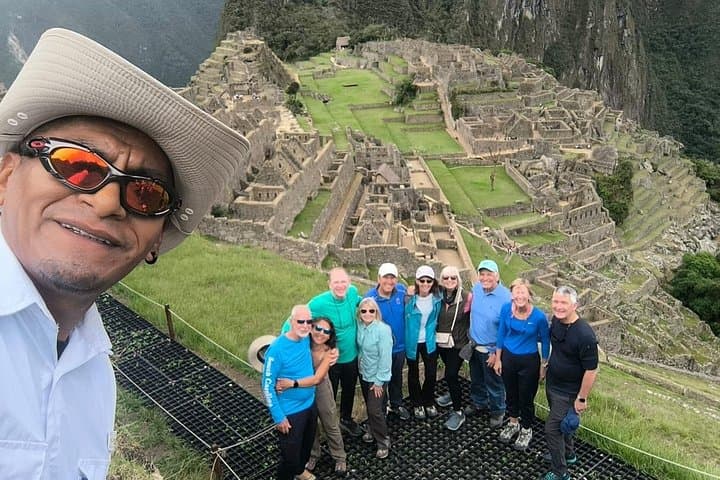
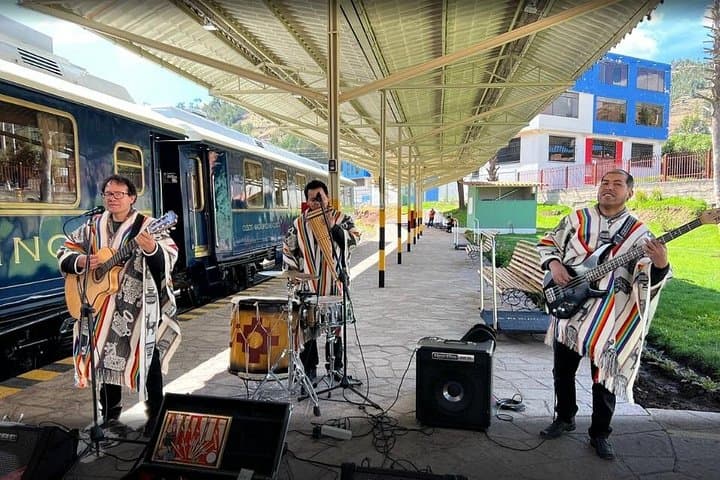
Machu Picchu, the 15th‑century Inca citadel brought to broader attention by Hiram Bingham in 1911, sits on granite ridges carved by the Vilcanota river system. The site's walls are both engineering and story: agricultural terraces, precisely cut stones, and a layout aligned to mountain ridgelines and solar paths. The day blends cultural context—Inca cosmology and colonial history—with modern comforts: gourmet brunch and dinner aboard the train, live music, and a private 2–3 hour guided visit that covers the main plaza, Temple of the Sun, and terraces.
Practicalities shape the rhythm: Machu Picchu sits at roughly 2,430 m (7,970 ft), so expect the thin air to shorten conversations and quicken breath. The tour includes round‑trip train tickets, a bus shuttle to the citadel, entrance ticket, and pickup in Cusco, plus on‑board oxygen and first aid. Carry layered clothing for sharp microclimates, sun protection for exposed ruins, and comfortable footwear for uneven stone paths.
Timing matters—arrive prepared with passports and printed or mobile tickets, and allow the guide time to orient you before free exploration. The Hiram Bingham option is less about the arduous approach and more about arriving well‑served, informed, and ready to meet one of the Andes’ most iconic places.
easy.
15 hours.
Suitable for most fitness levels; ability to walk on uneven stone for 2–3 hours is required and expect light breathlessness from altitude.
The full‑day itinerary runs about 15 hours door‑to‑door, including train travel, transit to Machu Picchu, a 2–3 hour guided tour, and return.
Yes—infants and small children can travel (stroller accessible), but infants must sit on laps and the day is long for very young children.
Machu Picchu’s elevation (~2,430 m) can cause mild symptoms; acclimatizing in Cusco beforehand and staying hydrated mitigates risk. Oxygen is available onboard if necessary.
Yes—gourmet brunch and dinner, welcome drinks, and unlimited non‑premium beverages are included; premium liquors may incur extra charges.
Machu Picchu was built by the Incas in the 15th century and brought to international attention by explorer Hiram Bingham in 1911; it remains a study in Inca engineering and astronomical alignment.
Visitor numbers and circuit routes are regulated to protect sensitive ruins and erosion; stick to designated paths and follow your guide to minimize impact.
Machupicchu Inka Trek operates guided outdoor trips and adventures with an emphasis on safety, stewardship, and memorable experiences.
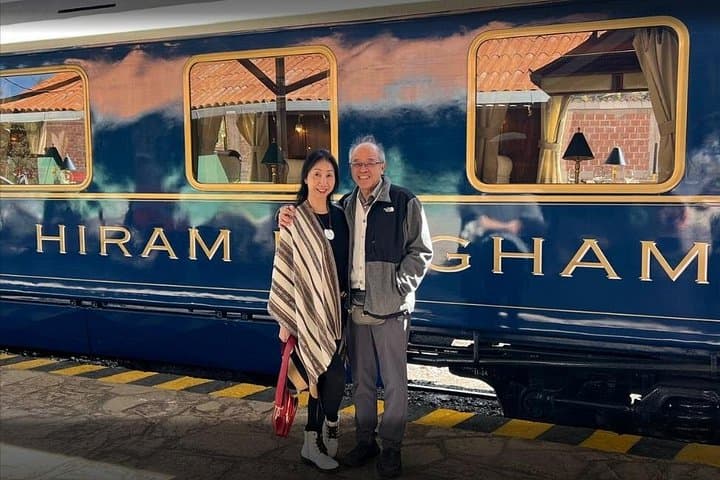
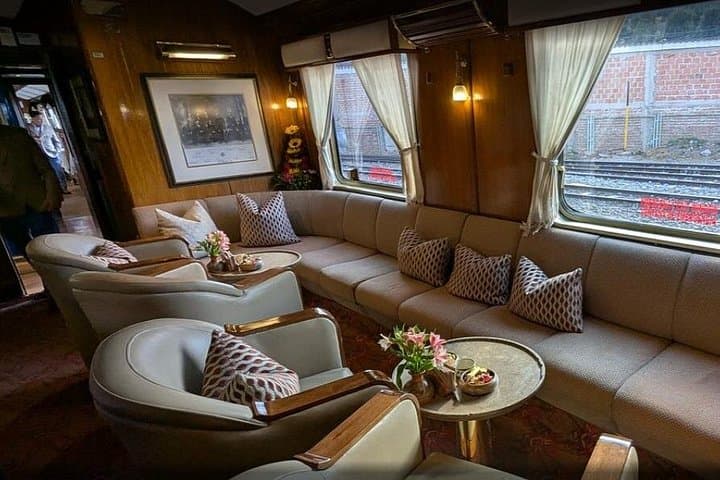
The morning opens with the measured clink of glass and the low murmur of staff as the Belmond Hiram Bingham eases out of Cusco’s valley. Inside, polished wood and linen set a composed tone while the Urubamba River races alongside the tracks, daring travelers toward cloud-shadowed terraces. By the time the train slips into the green throat of the Sacred Valley, the landscape has already begun to rework itself—steep, stepped agriculture giving way to mossed stone and mist.
The morning opens with the measured clink of glass and the low murmur of staff as the Belmond Hiram Bingham eases out of Cusco’s valley. Inside, polished wood and linen set a composed tone while the Urubamba River races alongside the tracks, daring travelers toward cloud-shadowed terraces. By the time the train slips into the green throat of the Sacred Valley, the landscape has already begun to rework itself—steep, stepped agriculture giving way to mossed stone and mist.
Machu Picchu, the 15th‑century Inca citadel brought to broader attention by Hiram Bingham in 1911, sits on granite ridges carved by the Vilcanota river system. The site's walls are both engineering and story: agricultural terraces, precisely cut stones, and a layout aligned to mountain ridgelines and solar paths. The day blends cultural context—Inca cosmology and colonial history—with modern comforts: gourmet brunch and dinner aboard the train, live music, and a private 2–3 hour guided visit that covers the main plaza, Temple of the Sun, and terraces.
Practicalities shape the rhythm: Machu Picchu sits at roughly 2,430 m (7,970 ft), so expect the thin air to shorten conversations and quicken breath. The tour includes round‑trip train tickets, a bus shuttle to the citadel, entrance ticket, and pickup in Cusco, plus on‑board oxygen and first aid. Carry layered clothing for sharp microclimates, sun protection for exposed ruins, and comfortable footwear for uneven stone paths.
Timing matters—arrive prepared with passports and printed or mobile tickets, and allow the guide time to orient you before free exploration. The Hiram Bingham option is less about the arduous approach and more about arriving well‑served, informed, and ready to meet one of the Andes’ most iconic places.