THE ADVENTURE COLLECTIVE® · Independent discovery and booking for outdoor travel

Board a two-hour estuary cruise through iSimangaliso to watch hippos wallow and crocodiles sun on banks. Expect guided wildlife viewing, hot drinks, and easy access from St Lucia town.
Board a two-hour estuary cruise through iSimangaliso to watch hippos wallow and crocodiles sun on banks. Expect guided wildlife viewing, hot drinks, and easy access from St Lucia town.
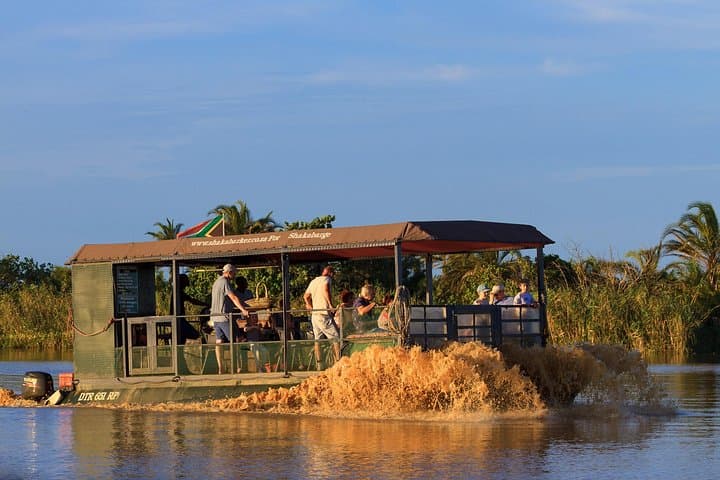
The boat slips away from the pier and the estuary takes charge—the water pulls the hull through a corridor of mangrove roots while hippos huff beneath the surface and fish eagles call from exposed branches.
Verified experiences and guided adventures in the surrounding area.
Operated by Shakabarker Tours - Day Tours · St Lucia, KwaZulu-Natal
The boat slips away from the pier and the estuary takes charge—the water pulls the hull through a corridor of mangrove roots while hippos huff beneath the surface and fish eagles call from exposed branches.
On this two-hour cruise along the St. Lucia Estuary in iSimangaliso Wetland Park, passengers peer into a living shoreline carved by tidal forces and freshwater inflows. The estuary’s sandy channels and peat-rich banks are the result of ancient coastal dynamics: dunes, river sediment and subtropical wetlands colliding to create one of Africa’s most productive ecosystems.
The local Zulu community has long lived with these waters; the estuary provided fish, reed materials and routes between villages. Today, conservation efforts protect both crocodiles and hippos while tourism supports community guides like Kian Barker, who interprets animal behavior and cultural context.
Practical guidance: departures are brief and best in the cooler morning or late-afternoon light when wildlife is most active. Bring binoculars and a camera with a telephoto lens; wear a windproof layer and sun protection—reflections off the water intensify exposure. The cruise is suitable for all fitness levels and includes hot beverages and rusks; collection and drop-off from St Lucia accommodations is provided.
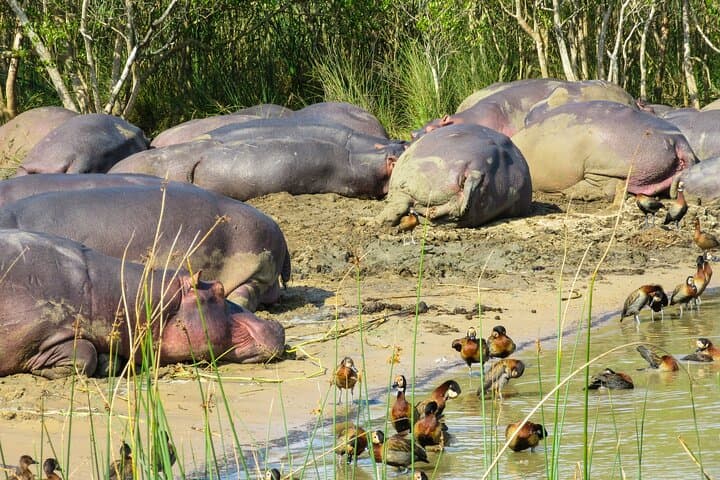
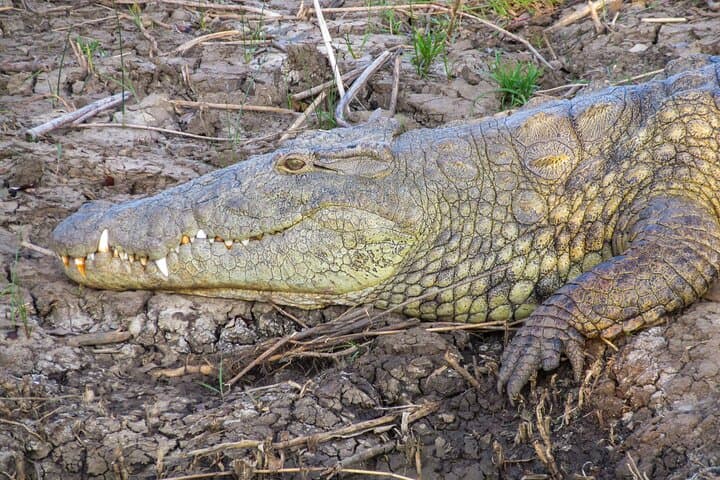
Expect close but respectful wildlife viewing—hippos often loaf at the water’s surface and crocs lie motionless on sunlit banks. Operators pause for sightings, but maintain distance and quiet to avoid disturbing animals. With a steady hand and patient watchfulness, the estuary rewards travelers with intimate encounters and a clear lesson in the fragile balance between freshwater flow, tidal energy and coastal life.
easy.
2 hours.
Suitable for all fitness levels; involves short periods of standing on the boat and easy boarding
The scheduled cruise is approximately 2 hours including wildlife viewing stops.
Yes—this cruise is rated easy and is suitable for most ages, though young children should be supervised on deck.
Yes—collection and drop-off from accommodations in St Lucia are included in the tour.
Common sightings include hippopotamus pods, Nile crocodiles, fish eagles, herons and a variety of wetland birds; sightings depend on time of day and season.
The iSimangaliso Wetland Park is South Africa’s first UNESCO World Heritage coastal site, preserving dunes, estuaries and rich Zulu cultural connections to the land and sea.
Boat operators are regulated to minimize disturbance; stick to marked channels, avoid feeding wildlife, and follow guide instructions to support conservation efforts.
Shakabarker Tours - Day Tours operates guided outdoor trips and adventures with an emphasis on safety, stewardship, and memorable experiences.
The boat slips away from the pier and the estuary takes charge—the water pulls the hull through a corridor of mangrove roots while hippos huff beneath the surface and fish eagles call from exposed branches.
The boat slips away from the pier and the estuary takes charge—the water pulls the hull through a corridor of mangrove roots while hippos huff beneath the surface and fish eagles call from exposed branches.
On this two-hour cruise along the St. Lucia Estuary in iSimangaliso Wetland Park, passengers peer into a living shoreline carved by tidal forces and freshwater inflows. The estuary’s sandy channels and peat-rich banks are the result of ancient coastal dynamics: dunes, river sediment and subtropical wetlands colliding to create one of Africa’s most productive ecosystems.
The local Zulu community has long lived with these waters; the estuary provided fish, reed materials and routes between villages. Today, conservation efforts protect both crocodiles and hippos while tourism supports community guides like Kian Barker, who interprets animal behavior and cultural context.
Practical guidance: departures are brief and best in the cooler morning or late-afternoon light when wildlife is most active. Bring binoculars and a camera with a telephoto lens; wear a windproof layer and sun protection—reflections off the water intensify exposure. The cruise is suitable for all fitness levels and includes hot beverages and rusks; collection and drop-off from St Lucia accommodations is provided.
Expect close but respectful wildlife viewing—hippos often loaf at the water’s surface and crocs lie motionless on sunlit banks. Operators pause for sightings, but maintain distance and quiet to avoid disturbing animals. With a steady hand and patient watchfulness, the estuary rewards travelers with intimate encounters and a clear lesson in the fragile balance between freshwater flow, tidal energy and coastal life.