THE ADVENTURE COLLECTIVE® · Independent discovery and booking for outdoor travel

Ride a tuk‑tuk out of Kandy into rubber plantations and paddy fields, learn traditional coconut‑based cooking, take an oxen cart ride, and finish with a cooling natural rock pool dip. This two‑hour tour delivers a compact, hands‑on look at rural Sri Lankan life.
Ride a tuk‑tuk out of Kandy into rubber plantations and paddy fields, learn traditional coconut‑based cooking, take an oxen cart ride, and finish with a cooling natural rock pool dip. This two‑hour tour delivers a compact, hands‑on look at rural Sri Lankan life.
You climb into a tuk‑tuk and the city unwinds behind you: narrow lanes give way to rubber rows and emerald paddy mirrors. After about 12 km of countryside, engines hush and the final track can only be walked. Thatched clay homes come into view, children pause their play, and a villager offers a king coconut — cool and bright against the humid air.
Verified experiences and guided adventures in the surrounding area.
Operated by Lakpura LLC · Kandy, Central Province
You climb into a tuk‑tuk and the city unwinds behind you: narrow lanes give way to rubber rows and emerald paddy mirrors. After about 12 km of countryside, engines hush and the final track can only be walked. Thatched clay homes come into view, children pause their play, and a villager offers a king coconut — cool and bright against the humid air.
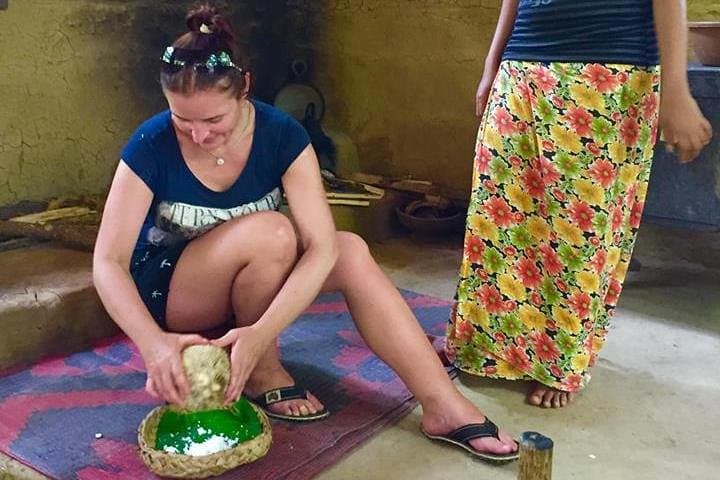
This short, two‑hour experience sits inside the broader history of the Kandy region, once the seat of Sri Lanka’s last kingdom and still shaped by rice terraces, coconut groves, and smallholder farms. Geologically, the central hills taper into gentle plains here; the land drains into rocky streambeds that form natural pools. Culturally the tour is hands‑on: you’ll learn coconut scraping, grind pol sambol on a stone, shape roti, and ride an ox cart — techniques unchanged by decades of mechanization. The local temple’s modest shrine reflects village devotion rather than grand pilgrimage, offering a window into everyday religious life.
Practically: arrive early in the morning to avoid midday heat; the final approach is on uneven paths, so wear closed shoes and be ready for a short walk. Bring insect repellent, modest clothing for temple visits, and a small towel if you plan the cooling dip in the rock pool. Photography is welcome but ask before shooting people. The tour supports local households directly — a brief cultural exchange that’s sensory, tactile, and compact enough to add to a Kandy‑based itinerary without a full‑day commitment.
easy.
2 hours.
Suitable for all fitness levels; includes short, easy walks on uneven ground and one ox‑cart ride.
The tour lasts about two hours and departs from Hingula Junction, roughly 12 km from Kandy by tuk‑tuk; final access to the village is on foot.
Yes — you participate in coconut scraping, roti making, and pol sambol preparation, and you share the meal prepared in the villager’s home.
The rock pool is a shallow natural pool used for cooling off; conditions vary with season — your guide will advise whether a dip is appropriate.
Yes — the activity is rated easy and family‑friendly, but the final walk may be slightly uneven; notify the operator of mobility concerns at booking.
The Kandy area was the center of Sri Lanka’s last kingdom; villages like Hingula retain agricultural practices—rice, coconut and rubber—that shaped local livelihoods for generations.
Tours are low‑impact but visitors should avoid single‑use plastics, stay on paths, and buy locally to support village households rather than large intermediaries.
Lakpura LLC operates guided outdoor trips and adventures with an emphasis on safety, stewardship, and memorable experiences.
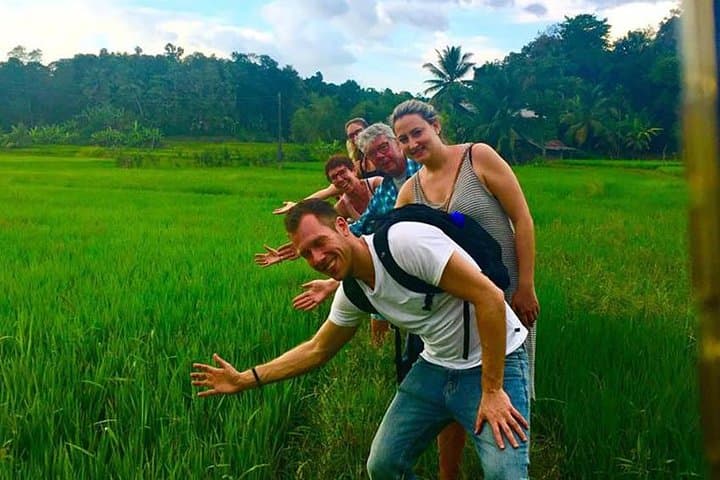
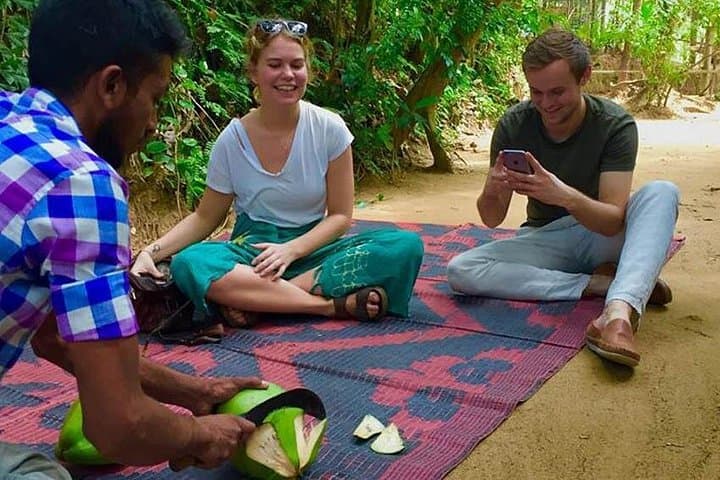
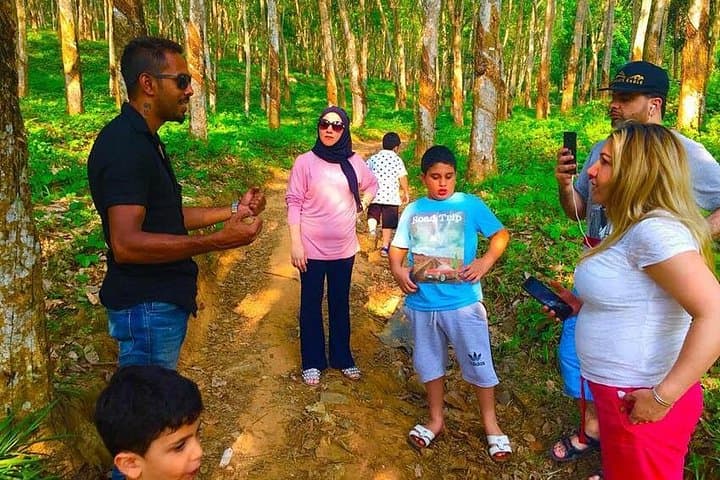
You climb into a tuk‑tuk and the city unwinds behind you: narrow lanes give way to rubber rows and emerald paddy mirrors. After about 12 km of countryside, engines hush and the final track can only be walked. Thatched clay homes come into view, children pause their play, and a villager offers a king coconut — cool and bright against the humid air.
You climb into a tuk‑tuk and the city unwinds behind you: narrow lanes give way to rubber rows and emerald paddy mirrors. After about 12 km of countryside, engines hush and the final track can only be walked. Thatched clay homes come into view, children pause their play, and a villager offers a king coconut — cool and bright against the humid air.
This short, two‑hour experience sits inside the broader history of the Kandy region, once the seat of Sri Lanka’s last kingdom and still shaped by rice terraces, coconut groves, and smallholder farms. Geologically, the central hills taper into gentle plains here; the land drains into rocky streambeds that form natural pools. Culturally the tour is hands‑on: you’ll learn coconut scraping, grind pol sambol on a stone, shape roti, and ride an ox cart — techniques unchanged by decades of mechanization. The local temple’s modest shrine reflects village devotion rather than grand pilgrimage, offering a window into everyday religious life.
Practically: arrive early in the morning to avoid midday heat; the final approach is on uneven paths, so wear closed shoes and be ready for a short walk. Bring insect repellent, modest clothing for temple visits, and a small towel if you plan the cooling dip in the rock pool. Photography is welcome but ask before shooting people. The tour supports local households directly — a brief cultural exchange that’s sensory, tactile, and compact enough to add to a Kandy‑based itinerary without a full‑day commitment.