THE ADVENTURE COLLECTIVE® · Independent discovery and booking for outdoor travel

Walk Himeji Castle’s white keep with a guide who reads the defenses like a manual. This 2-hour premium tour pairs close-up access with compact storytelling — ideal for travelers who want history, context, and practical tips.
Walk Himeji Castle’s white keep with a guide who reads the defenses like a manual. This 2-hour premium tour pairs close-up access with compact storytelling — ideal for travelers who want history, context, and practical tips.
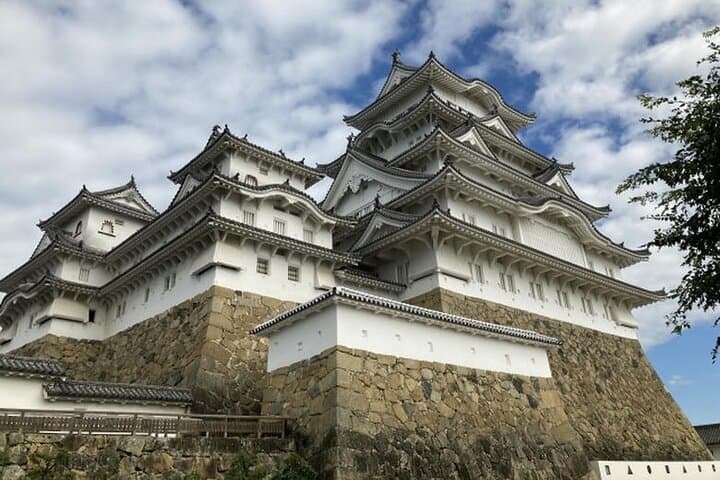
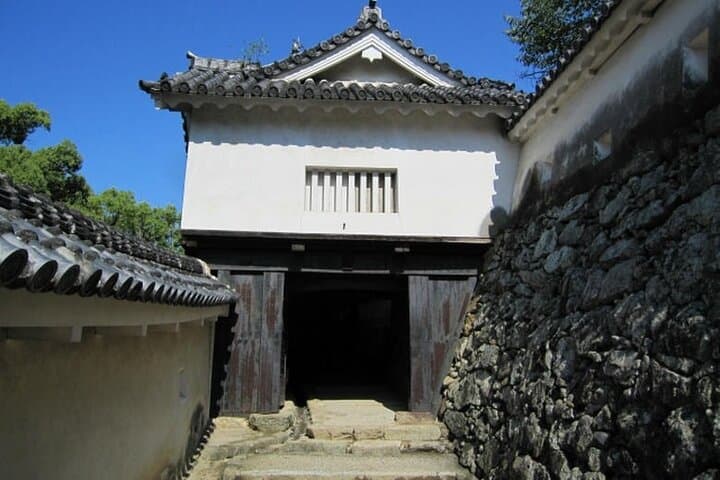
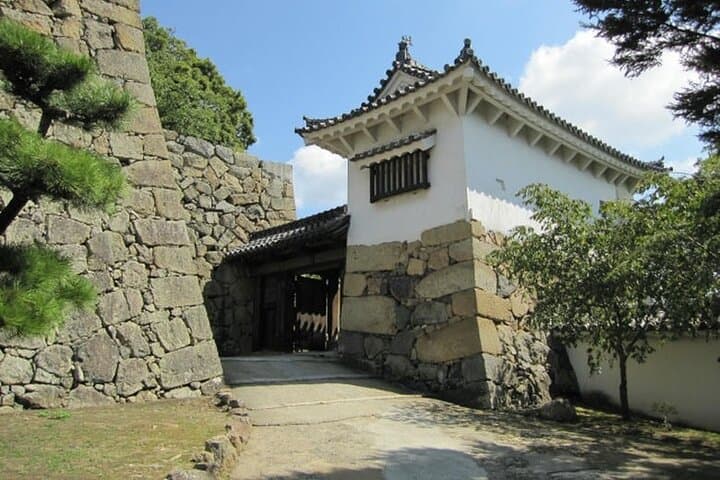
You step out of the modern city and under a stretch of white plaster walls that loom like a well-drilled garrison. The wooden floors creak as your guide explains hidden arrow slits and trapdoors; the moat’s carp flash like punctuation in the bright water. In two hours the keep opens into layers of defensive intent — sloping stone, steep staircases, and narrow passageways that once shaped the rhythm of life and war.
Verified experiences and guided adventures in the surrounding area.
Operated by YURAGI · Himeji, Hyogo Prefecture
You step out of the modern city and under a stretch of white plaster walls that loom like a well-drilled garrison. The wooden floors creak as your guide explains hidden arrow slits and trapdoors; the moat’s carp flash like punctuation in the bright water. In two hours the keep opens into layers of defensive intent — sloping stone, steep staircases, and narrow passageways that once shaped the rhythm of life and war.
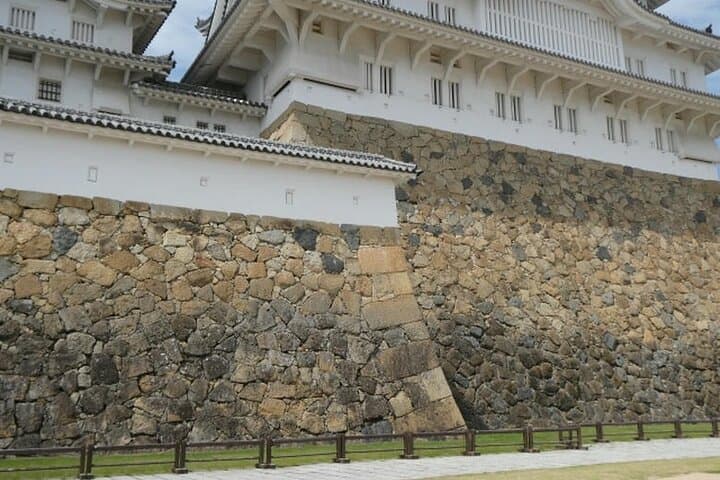
Himeji’s core dates to the 14th century with the present main keep largely completed in the early 1600s; it earned UNESCO World Heritage status in 1993 for being one of Japan’s most intact castle complexes. Geology matters here: the castle sits on a low hill of sandstone and limestone, engineered into angled stone walls that redirect attackers. Culturally, the site connects feudal samurai governance to the castle town that grew at its feet; listen for stories of castle lords and the artisans who kept the plaster and tile alive.
Practical guidance: book morning slots to avoid crowds and the heat; the interior requires climbing several narrow, steep flights of stairs and is not wheelchair accessible. Bring comfortable shoes, a small water bottle, and layers — the keep can be cool inside even on hot days. Photography is welcome but follow staff directions and don’t lean on railings or touch historical plaster. End your tour by walking Honmaru Plaza and, if time allows, a short detour to Koko-en garden for a quieter contrast to the castle’s defensive clarity.
moderate.
2–2.5 hours.
Suitable for travelers with moderate fitness who can climb steep, narrow stairs and stand for extended periods
No — the main keep has multiple steep, narrow staircases and limited accessibility; exterior grounds and some adjacent areas are more accessible.
Yes — the tour price covers Himeji Castle admission as noted in the listing inclusions.
This tour offers local guide service in English and Spanish; confirm language needs when booking.
Early morning on weekdays is typically quieter; late afternoon before closing can also be less busy but check seasonal hours.
Himeji Castle’s present main keep was completed in the early 17th century and survived both natural disasters and wartime damage, preserving original wooden structures and defensive design.
The site is actively conserved with visitor limits in sensitive areas; avoid touching plaster or climbing beyond marked paths to protect original fabric.
YURAGI operates guided outdoor trips and adventures with an emphasis on safety, stewardship, and memorable experiences.
You step out of the modern city and under a stretch of white plaster walls that loom like a well-drilled garrison. The wooden floors creak as your guide explains hidden arrow slits and trapdoors; the moat’s carp flash like punctuation in the bright water. In two hours the keep opens into layers of defensive intent — sloping stone, steep staircases, and narrow passageways that once shaped the rhythm of life and war.
You step out of the modern city and under a stretch of white plaster walls that loom like a well-drilled garrison. The wooden floors creak as your guide explains hidden arrow slits and trapdoors; the moat’s carp flash like punctuation in the bright water. In two hours the keep opens into layers of defensive intent — sloping stone, steep staircases, and narrow passageways that once shaped the rhythm of life and war.
Himeji’s core dates to the 14th century with the present main keep largely completed in the early 1600s; it earned UNESCO World Heritage status in 1993 for being one of Japan’s most intact castle complexes. Geology matters here: the castle sits on a low hill of sandstone and limestone, engineered into angled stone walls that redirect attackers. Culturally, the site connects feudal samurai governance to the castle town that grew at its feet; listen for stories of castle lords and the artisans who kept the plaster and tile alive.
Practical guidance: book morning slots to avoid crowds and the heat; the interior requires climbing several narrow, steep flights of stairs and is not wheelchair accessible. Bring comfortable shoes, a small water bottle, and layers — the keep can be cool inside even on hot days. Photography is welcome but follow staff directions and don’t lean on railings or touch historical plaster. End your tour by walking Honmaru Plaza and, if time allows, a short detour to Koko-en garden for a quieter contrast to the castle’s defensive clarity.