THE ADVENTURE COLLECTIVE® · Independent discovery and booking for outdoor travel

Spend a full day from Osaka exploring Himeji Castle’s white keep, strolling the nine gardens of Koko-en, soaking in the historic Arima Onsen, and taking in sweeping views from Mount Rokko. This guided day trip combines easy walking with cultural and natural highlights across Hyōgo Prefecture.
Spend a full day from Osaka exploring Himeji Castle’s white keep, strolling the nine gardens of Koko-en, soaking in the historic Arima Onsen, and taking in sweeping views from Mount Rokko. This guided day trip combines easy walking with cultural and natural highlights across Hyōgo Prefecture.
The day begins before sunrise in Namba, boarding a coach that threads west from the neon of Osaka through Kansai’s lowlands. By mid-morning Himeji’s white keep appears above the tree line — its plastered walls and sweeping roofs cutting a clean silhouette against open sky.
Verified experiences and guided adventures in the surrounding area.
Operated by Trevopedia Wonders · Himeji, Hyōgo Prefecture
The day begins before sunrise in Namba, boarding a coach that threads west from the neon of Osaka through Kansai’s lowlands. By mid-morning Himeji’s white keep appears above the tree line — its plastered walls and sweeping roofs cutting a clean silhouette against open sky.
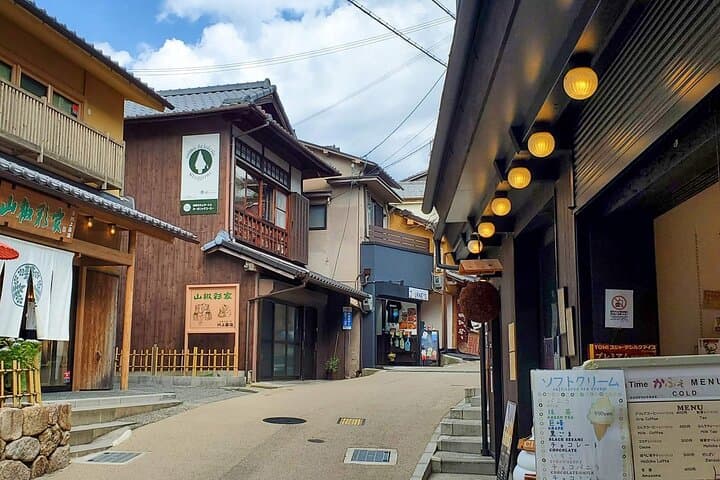
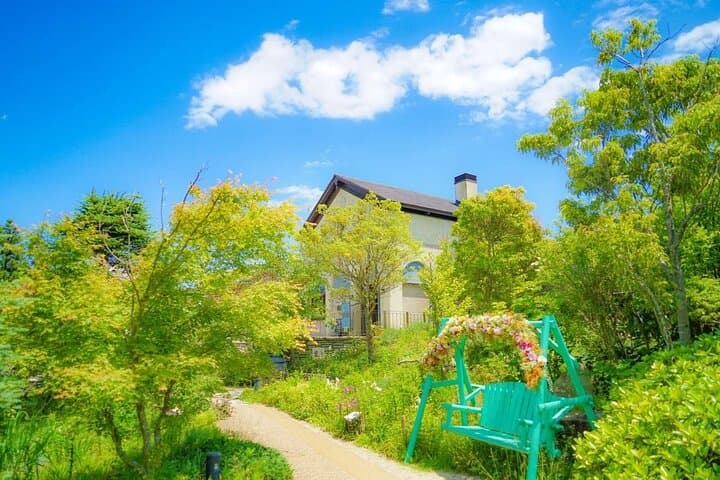
Walk the castle’s wooden staircases to the upper floors for a view across town and rice fields; nearby Koko-en’s nine themed gardens offer quiet ponds, clipped pines and a formal tea garden that reflect Edo-period landscaping. The itinerary moves later to Arima Onsen, where mineral-rich ‘gold’ and ‘silver’ springs steam in narrow streets lined with lacquer shops and ryokan. The day finishes higher still on Mount Rokko (peak ~931 m), where observation platforms and short ridge walks present a broad panorama over Kobe and Osaka Bay.
Himeji Castle is a UNESCO site with major construction completed in the early 1600s; its surviving keep is a prime example of feudal-era defensive architecture. Geologically, the Rokko range is composed of older granitic rock, weathered into ridgelines that frame the Seto Inland Sea.
Practical notes: the tour covers long coach transfers and short walks on paved castle grounds, garden paths and mountain viewpoints; expect some steep wooden stairs at Himeji and cooler, windier conditions on Rokko. Onsen entry fees are usually extra and some baths enforce tattoo policies. Carry cash for small purchases, wear grippy shoes for stairs, and bring a light layer for the summit. Timing is compact—plan for a full 9–10 hour day and comfortable pacing between cultural stops and natural viewpoints.
easy.
9–10 hours.
Suitable for most fitness levels; participants should be able to walk on uneven surfaces and climb multiple flights of stairs.
Admission to Himeji Castle and Koko-en is included on this tour; onsen fees at Arima are typically optional and paid on-site.
Some public baths in Japan restrict visible tattoos; if you have tattoos, check with the operator in advance or look for tattoo-friendly facilities and private baths (additional cost may apply).
The tour lists wheelchair-accessible transportation and most surfaces are accessible, but Himeji Castle’s central keep has steep stairs that are not wheelchair-friendly—inform the operator of mobility needs when booking.
Meals are not generally included; the tour stops at towns with options to buy lunch near Himeji and light snacks in Arima — bringing snacks is recommended if you have dietary restrictions.
Himeji Castle’s present form was largely completed in the early 1600s and has survived wars and earthquakes, earning UNESCO status for its intact feudal keep; Arima Onsen has records going back over a millennium as one of Japan’s oldest hot-spring resorts.
Visitors should stick to marked paths in gardens and on Rokko ridges to protect vegetation; local campaigns encourage responsible onsen etiquette and minimal waste in historic districts.
Trevopedia Wonders operates guided outdoor trips and adventures with an emphasis on safety, stewardship, and memorable experiences.
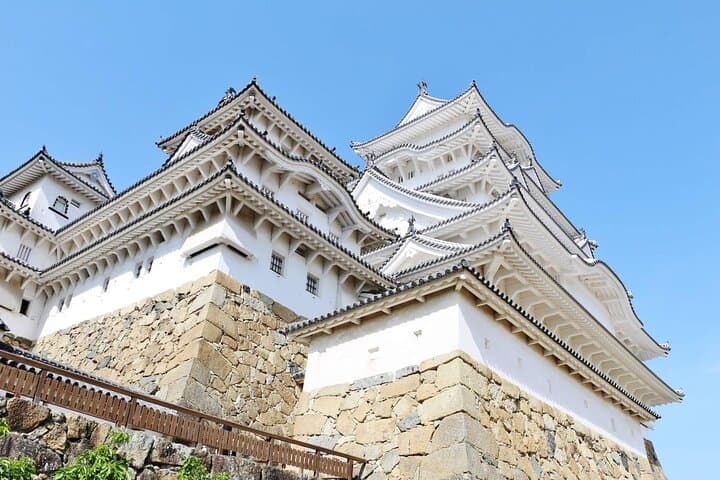
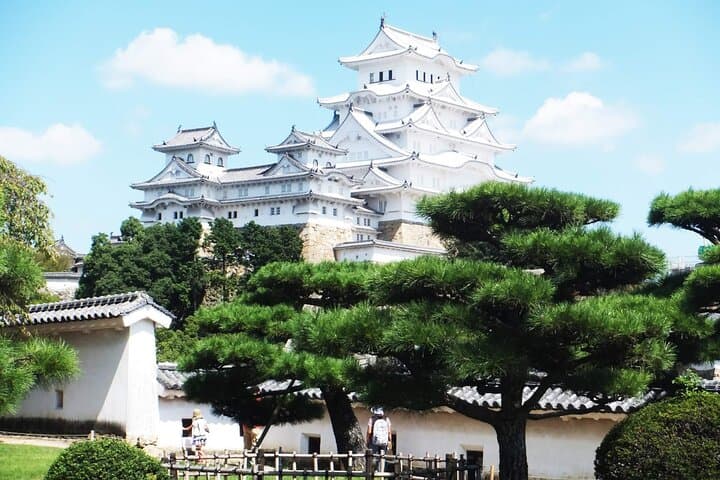
The day begins before sunrise in Namba, boarding a coach that threads west from the neon of Osaka through Kansai’s lowlands. By mid-morning Himeji’s white keep appears above the tree line — its plastered walls and sweeping roofs cutting a clean silhouette against open sky.
The day begins before sunrise in Namba, boarding a coach that threads west from the neon of Osaka through Kansai’s lowlands. By mid-morning Himeji’s white keep appears above the tree line — its plastered walls and sweeping roofs cutting a clean silhouette against open sky.
Walk the castle’s wooden staircases to the upper floors for a view across town and rice fields; nearby Koko-en’s nine themed gardens offer quiet ponds, clipped pines and a formal tea garden that reflect Edo-period landscaping. The itinerary moves later to Arima Onsen, where mineral-rich ‘gold’ and ‘silver’ springs steam in narrow streets lined with lacquer shops and ryokan. The day finishes higher still on Mount Rokko (peak ~931 m), where observation platforms and short ridge walks present a broad panorama over Kobe and Osaka Bay.
Himeji Castle is a UNESCO site with major construction completed in the early 1600s; its surviving keep is a prime example of feudal-era defensive architecture. Geologically, the Rokko range is composed of older granitic rock, weathered into ridgelines that frame the Seto Inland Sea.
Practical notes: the tour covers long coach transfers and short walks on paved castle grounds, garden paths and mountain viewpoints; expect some steep wooden stairs at Himeji and cooler, windier conditions on Rokko. Onsen entry fees are usually extra and some baths enforce tattoo policies. Carry cash for small purchases, wear grippy shoes for stairs, and bring a light layer for the summit. Timing is compact—plan for a full 9–10 hour day and comfortable pacing between cultural stops and natural viewpoints.