THE ADVENTURE COLLECTIVE® · Independent discovery and booking for outdoor travel

A 45-minute, lying-down session in Ho Chi Minh City that blends Himalayan singing bowls and Reiki. Small-group, wheelchair-accessible treatments focus on relaxation and sound-based therapy — ideal for a low-effort reset during city travel.
A 45-minute, lying-down session in Ho Chi Minh City that blends Himalayan singing bowls and Reiki. Small-group, wheelchair-accessible treatments focus on relaxation and sound-based therapy — ideal for a low-effort reset during city travel.
The room is quiet but not empty — a low hum from a metal bowl settles like a tide as you lie back and notice the city’s pulse receding through the walls. In Ho Chi Minh City’s District 1, Jan Ming conducts a 45-minute, lying-down session that pairs Himalayan singing bowls with gentle Reiki touch, inviting the nervous system to unclench and the breath to lengthen.
Verified experiences and guided adventures in the surrounding area.
Operated by Jan Ming · Ho Chi Minh City, Ho Chi Minh
The room is quiet but not empty — a low hum from a metal bowl settles like a tide as you lie back and notice the city’s pulse receding through the walls. In Ho Chi Minh City’s District 1, Jan Ming conducts a 45-minute, lying-down session that pairs Himalayan singing bowls with gentle Reiki touch, inviting the nervous system to unclench and the breath to lengthen.
Singing bowls trace their form to Himalayan and Tibetan metalwork traditions; many contemporary practitioners in Vietnam learn lineages that cross Nepal, Tibet, and Japan. Reiki, a Japanese energy-healing method developed in the early 20th century, is often combined with sound work in modern wellness studios. Expect alloy tones (historically called "seven-metal" bowls), slow cadences, and guided stillness rather than active instruction.
The practical setup is simple: a mat, blanket, and pillow are provided; sessions accept one booking per slot and are wheelchair accessible. The group size is intentionally small (shared sessions cap at two), so the experience stays intimate.
If you go, wear loose clothing, avoid heavy meals beforehand, and switch your phone to airplane mode. Disclose medical implants, recent surgeries, or pregnancy when you book — practitioners will adapt or advise accordingly. Arrive 10–15 minutes early to settle in and let the practitioner know any sensitivities to sound or touch.
For travelers, this is a short, low-effort reset that pairs local healing lineages with accessible studio amenities — a practical breath break in a bustling city.
easy.
45 minutes.
Suitable for all fitness levels; no aerobic fitness required, but you should be able to lie flat comfortably.
The session runs approximately 45 minutes, including setup; allow extra time to arrive and complete any intake forms.
Yes — the activity listing notes wheelchair accessibility and accessible surfaces; contact the provider ahead of time for specifics.
Discuss pregnancy, pacemakers, or other implants with the practitioner before booking; they may modify the session or advise medical clearance.
No — sessions are designed for beginners and experienced participants alike; the practitioner guides you through the process.
Singing bowls have roots in Himalayan metalworking and ritual practices from Nepal and Tibet; Reiki was systematized in Japan in the early 20th century, and contemporary sessions often blend these lineages.
Choose local practitioners and studios that respect cultural origins and avoid commodifying sacred objects; keep noise and waste to a minimum when moving between urban green spaces.
Jan Ming operates guided outdoor trips and adventures with an emphasis on safety, stewardship, and memorable experiences.
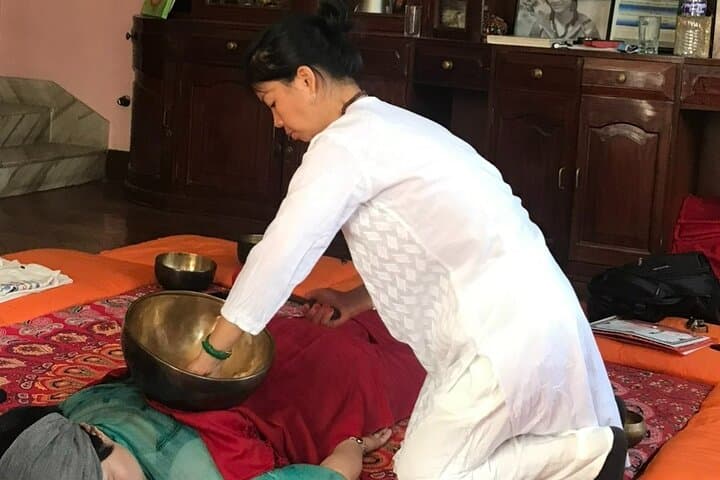
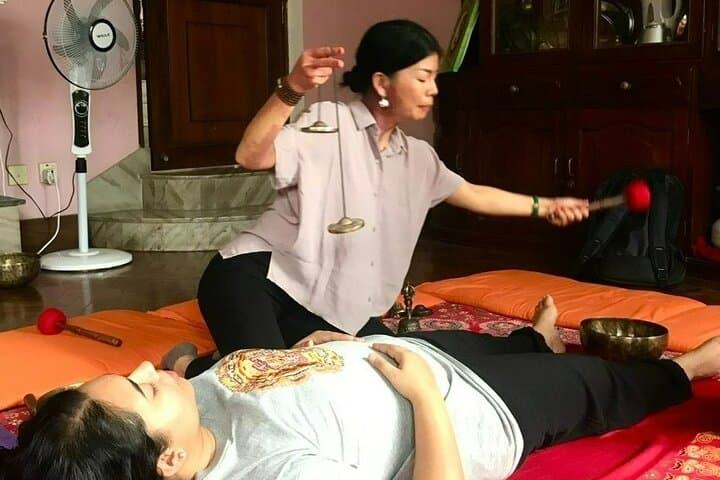


The room is quiet but not empty — a low hum from a metal bowl settles like a tide as you lie back and notice the city’s pulse receding through the walls. In Ho Chi Minh City’s District 1, Jan Ming conducts a 45-minute, lying-down session that pairs Himalayan singing bowls with gentle Reiki touch, inviting the nervous system to unclench and the breath to lengthen.
The room is quiet but not empty — a low hum from a metal bowl settles like a tide as you lie back and notice the city’s pulse receding through the walls. In Ho Chi Minh City’s District 1, Jan Ming conducts a 45-minute, lying-down session that pairs Himalayan singing bowls with gentle Reiki touch, inviting the nervous system to unclench and the breath to lengthen.
Singing bowls trace their form to Himalayan and Tibetan metalwork traditions; many contemporary practitioners in Vietnam learn lineages that cross Nepal, Tibet, and Japan. Reiki, a Japanese energy-healing method developed in the early 20th century, is often combined with sound work in modern wellness studios. Expect alloy tones (historically called "seven-metal" bowls), slow cadences, and guided stillness rather than active instruction.
The practical setup is simple: a mat, blanket, and pillow are provided; sessions accept one booking per slot and are wheelchair accessible. The group size is intentionally small (shared sessions cap at two), so the experience stays intimate.
If you go, wear loose clothing, avoid heavy meals beforehand, and switch your phone to airplane mode. Disclose medical implants, recent surgeries, or pregnancy when you book — practitioners will adapt or advise accordingly. Arrive 10–15 minutes early to settle in and let the practitioner know any sensitivities to sound or touch.
For travelers, this is a short, low-effort reset that pairs local healing lineages with accessible studio amenities — a practical breath break in a bustling city.