THE ADVENTURE COLLECTIVE® · Independent discovery and booking for outdoor travel

A private 10–12 day expedition from Islamabad into Hunza and Skardu that mixes high-altitude vistas, cultural bazaars and Jeep rides across Deosai. Expect long drives, dramatic passes and manageable hikes with acclimatization needed above 3,000 m.
A private 10–12 day expedition from Islamabad into Hunza and Skardu that mixes high-altitude vistas, cultural bazaars and Jeep rides across Deosai. Expect long drives, dramatic passes and manageable hikes with acclimatization needed above 3,000 m.
At first light the Karakoram wakes like a great engine — glaciers exhaling into river valleys, peaks sharpening into teeth against sky. Travelers on this private 10–12 day loop move from Islamabad’s ordered avenues into a landscape that rearranges scale: terraced orchards folding into canyon walls, blue slices of Attabad Lake, and the wide, wind-sculpted plains of Deosai.
Verified experiences and guided adventures in the surrounding area.
Operated by Discovering Pakistan · Karimabad, Gilgit-Baltistan
At first light the Karakoram wakes like a great engine — glaciers exhaling into river valleys, peaks sharpening into teeth against sky. Travelers on this private 10–12 day loop move from Islamabad’s ordered avenues into a landscape that rearranges scale: terraced orchards folding into canyon walls, blue slices of Attabad Lake, and the wide, wind-sculpted plains of Deosai.
Hunza’s history reads in stone: Baltit and Altit forts mark a centuries-old trading crossroads where Silk Road travelers met mountain hospitality. Geologically, this is the meeting place of the Karakoram and western Himalaya — uplifted rock, active faults and glacier-fed rivers carve the valleys. Culturally the region blends Wakhi, Burusho and Shina communities; bazaars in Karimabad hum with walnut vendors, apricot sellers and handcrafted wool.
Expect a practical adventure: long drives along the Karakoram Highway, short hikes to viewpoints like Eagle’s Nest, jeep excursions onto Deosai’s high plateau, and a dusty pass at Khunjerab rising above 15,000 ft. Weather can change fast; rivers push with seasonal melt and high passes become marble-cold at dusk. Guides handle permits and logistics, but travelers should budget for altitude, dress in layers, and carry water and sunscreen.
This trip suits those seeking sweeping mountain scenery, cultural immersion and light to moderate activity rather than technical mountaineering. Aim to acclimatize in stages, keep daylight driving hours, and leave space in your itinerary for sudden viewpoints — the Karakoram rewards the patient eye.
moderate.
10–12 days.
Suitable for travelers in good general fitness who can handle long vehicle days, short hikes, and light altitude exposure.
Most international visitors require a Pakistani visa; your operator will advise on visa support and arrange any local permits for sensitive areas.
July–October gives the widest access to passes and Deosai; spring offers blossoms but some higher roads may still be closed.
Altitude symptoms are possible above 3,000–4,000 m; gradual ascent, hydration and resting days reduce risk—seek immediate help if severe symptoms appear.
The itinerary lists breakfasts, lunches and dinners and mid-range to luxury hotels in key stops; confirm exact inclusions and dietary needs with the operator.
Hunza and Baltistan were crossroads on northern trade routes; forts like Baltit and Altit reflect local rulership and centuries of Himalayan exchange.
High-altitude ecosystems are fragile—avoid single-use plastics, stick to trails, and support local guides and community-run lodgings to help preserve landscapes.
Discovering Pakistan operates guided outdoor trips and adventures with an emphasis on safety, stewardship, and memorable experiences.
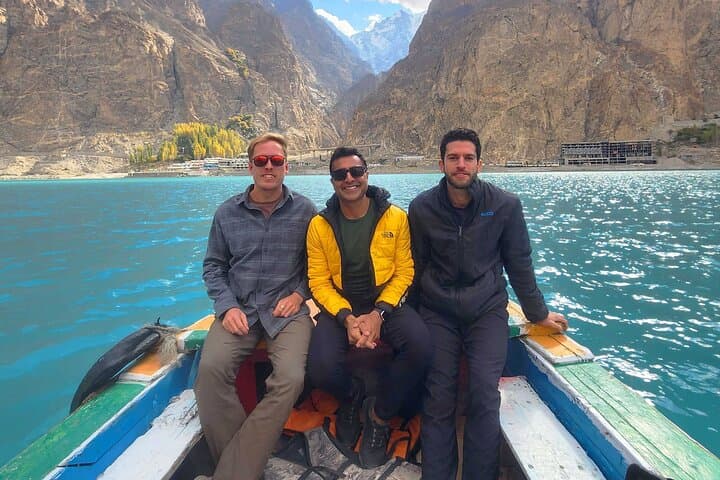
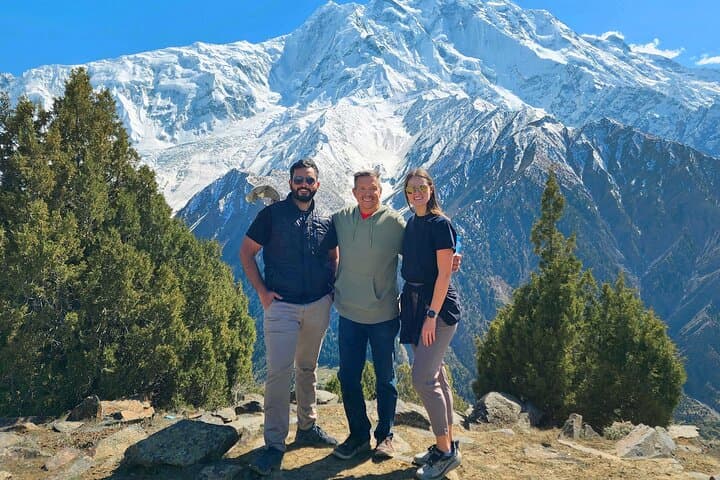
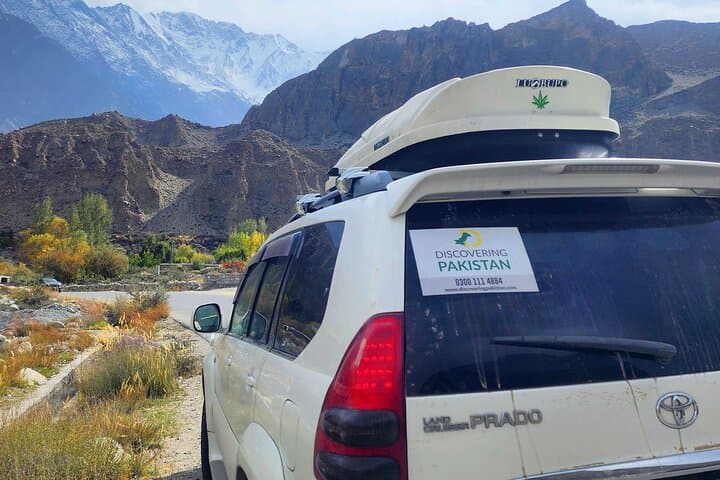
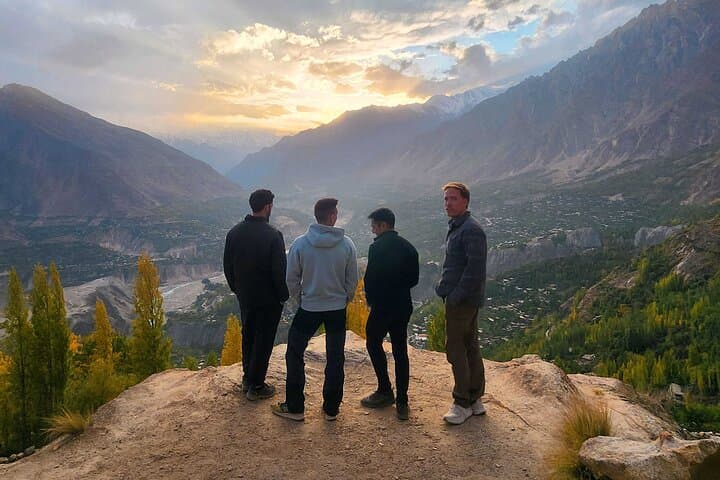
At first light the Karakoram wakes like a great engine — glaciers exhaling into river valleys, peaks sharpening into teeth against sky. Travelers on this private 10–12 day loop move from Islamabad’s ordered avenues into a landscape that rearranges scale: terraced orchards folding into canyon walls, blue slices of Attabad Lake, and the wide, wind-sculpted plains of Deosai.
At first light the Karakoram wakes like a great engine — glaciers exhaling into river valleys, peaks sharpening into teeth against sky. Travelers on this private 10–12 day loop move from Islamabad’s ordered avenues into a landscape that rearranges scale: terraced orchards folding into canyon walls, blue slices of Attabad Lake, and the wide, wind-sculpted plains of Deosai.
Hunza’s history reads in stone: Baltit and Altit forts mark a centuries-old trading crossroads where Silk Road travelers met mountain hospitality. Geologically, this is the meeting place of the Karakoram and western Himalaya — uplifted rock, active faults and glacier-fed rivers carve the valleys. Culturally the region blends Wakhi, Burusho and Shina communities; bazaars in Karimabad hum with walnut vendors, apricot sellers and handcrafted wool.
Expect a practical adventure: long drives along the Karakoram Highway, short hikes to viewpoints like Eagle’s Nest, jeep excursions onto Deosai’s high plateau, and a dusty pass at Khunjerab rising above 15,000 ft. Weather can change fast; rivers push with seasonal melt and high passes become marble-cold at dusk. Guides handle permits and logistics, but travelers should budget for altitude, dress in layers, and carry water and sunscreen.
This trip suits those seeking sweeping mountain scenery, cultural immersion and light to moderate activity rather than technical mountaineering. Aim to acclimatize in stages, keep daylight driving hours, and leave space in your itinerary for sudden viewpoints — the Karakoram rewards the patient eye.