THE ADVENTURE COLLECTIVE® · Independent discovery and booking for outdoor travel

Move from Delhi’s urban pulse into the layered Himalaya on a 15-day private tour through Shimla, Manali, Dharamshala, Dalhousie and Amritsar. Expect long drives, high-altitude viewpoints, colonial and Tibetan cultural sites, and practical travel rhythms that reward planning.
Move from Delhi’s urban pulse into the layered Himalaya on a 15-day private tour through Shimla, Manali, Dharamshala, Dalhousie and Amritsar. Expect long drives, high-altitude viewpoints, colonial and Tibetan cultural sites, and practical travel rhythms that reward planning.
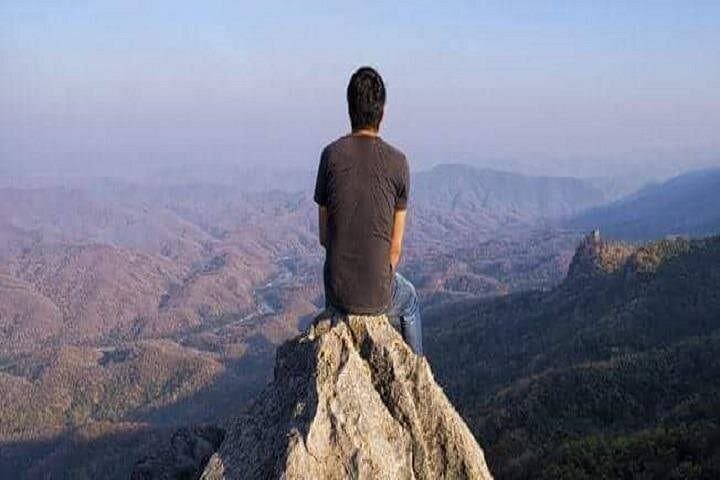
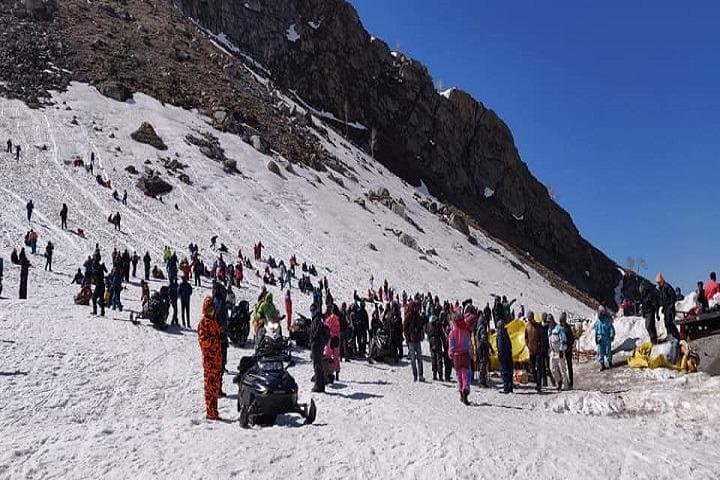
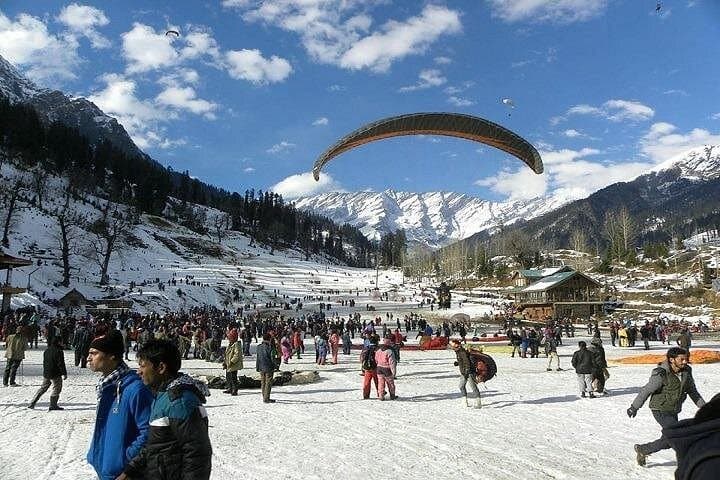
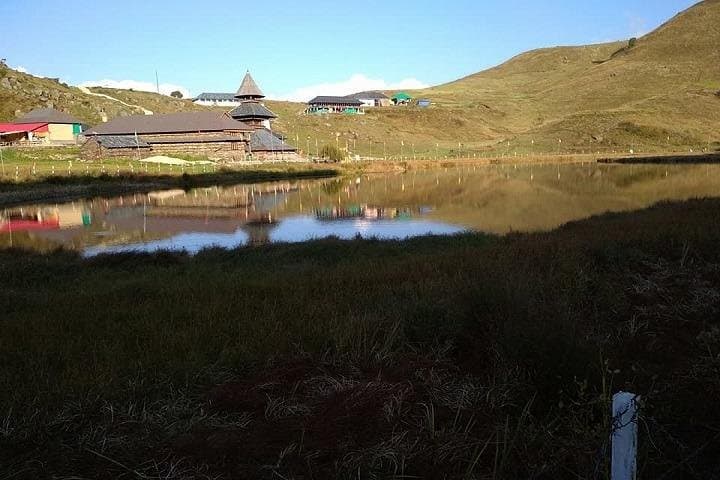
Morning light on the mountains feels kinetic — the Beas seems to push the valley forward and the road unwinds like a promise. This 15-day circuit moves from Delhi’s brick-and-stone bustle into the layered hills of Himachal Pradesh: Shimla’s colonial avenues, Manali’s river-veined valley, the glacial edges at Rohtang (subject to access), the Tibetan plateau around Dharamshala, and the verdant plateau of Khajjiar before the plains of Amritsar.
Verified experiences and guided adventures in the surrounding area.
Operated by Indian Travel Online · Shimla, Himachal Pradesh
Morning light on the mountains feels kinetic — the Beas seems to push the valley forward and the road unwinds like a promise. This 15-day circuit moves from Delhi’s brick-and-stone bustle into the layered hills of Himachal Pradesh: Shimla’s colonial avenues, Manali’s river-veined valley, the glacial edges at Rohtang (subject to access), the Tibetan plateau around Dharamshala, and the verdant plateau of Khajjiar before the plains of Amritsar.
The route traces British-era hill stations and older Himalayan geology: the Shivalik foothills give way to the steeper Dhauladhar and Pir Panjal ranges carved by glaciers and rivers. Culturally the tour stitches Mughal, Sikh and Tibetan threads — Old Delhi’s Mughal monuments and Amritsar’s martial and spiritual history sit alongside Dharamshala’s Tibetan exile community and Himachali village life.
Expect long drives (several 6–8 hour transfers), frequent altitude changes and short local walks rather than multi-day trekking. Roads climb through pine and deodar forests, opening to pastures and snowfields where wind and weather shape the scene daily. Locals run small markets and tea stalls that sell chai and roasted corn — practical refreshment and a cultural waypoint.
Practical guidance: pack layers for cold mornings and warm afternoons, plan travel time conservatively, and keep local cash for remote stops. Check Rohtang access and any permits in advance, and allow rest after long transfers to adjust to higher elevations. With basic preparation this tour is a sustained, accessible way to experience Himalayan landscapes, culture and history across varying terrain.
easy.
14–15 days.
Suitable for travelers in basic fitness; expect short walks and several long road transfers—mobility-friendly but bring stamina for stairs and uneven village paths.
Yes — Rohtang often requires permits and is subject to seasonal closures; your operator should advise and arrange access when possible.
Yes — the itinerary includes 14 nights of hotel accommodation, typically 3-star properties on double-sharing basis.
Generally yes — the tour is marketed as suitable for varied fitness levels, but families should consider long drives and altitude changes; consult the operator about special needs.
Indian rupees are standard; carry small notes for remote areas. Mobile coverage is good in cities but patchy in mountains, so plan accordingly.
Shimla was the British summer capital in the 19th century; Dharamshala hosts the Tibetan government-in-exile and a distinct Tibetan cultural presence.
Tourism pressures and seasonal vehicle loads affect fragile alpine meadows and water sources; minimize waste, stick to trails, and use local guides to reduce impact.
Indian Travel Online operates guided outdoor trips and adventures with an emphasis on safety, stewardship, and memorable experiences.
Morning light on the mountains feels kinetic — the Beas seems to push the valley forward and the road unwinds like a promise. This 15-day circuit moves from Delhi’s brick-and-stone bustle into the layered hills of Himachal Pradesh: Shimla’s colonial avenues, Manali’s river-veined valley, the glacial edges at Rohtang (subject to access), the Tibetan plateau around Dharamshala, and the verdant plateau of Khajjiar before the plains of Amritsar.
Morning light on the mountains feels kinetic — the Beas seems to push the valley forward and the road unwinds like a promise. This 15-day circuit moves from Delhi’s brick-and-stone bustle into the layered hills of Himachal Pradesh: Shimla’s colonial avenues, Manali’s river-veined valley, the glacial edges at Rohtang (subject to access), the Tibetan plateau around Dharamshala, and the verdant plateau of Khajjiar before the plains of Amritsar.
The route traces British-era hill stations and older Himalayan geology: the Shivalik foothills give way to the steeper Dhauladhar and Pir Panjal ranges carved by glaciers and rivers. Culturally the tour stitches Mughal, Sikh and Tibetan threads — Old Delhi’s Mughal monuments and Amritsar’s martial and spiritual history sit alongside Dharamshala’s Tibetan exile community and Himachali village life.
Expect long drives (several 6–8 hour transfers), frequent altitude changes and short local walks rather than multi-day trekking. Roads climb through pine and deodar forests, opening to pastures and snowfields where wind and weather shape the scene daily. Locals run small markets and tea stalls that sell chai and roasted corn — practical refreshment and a cultural waypoint.
Practical guidance: pack layers for cold mornings and warm afternoons, plan travel time conservatively, and keep local cash for remote stops. Check Rohtang access and any permits in advance, and allow rest after long transfers to adjust to higher elevations. With basic preparation this tour is a sustained, accessible way to experience Himalayan landscapes, culture and history across varying terrain.