THE ADVENTURE COLLECTIVE® · Independent discovery and booking for outdoor travel

Scan the tidal flats for dorsal fins, then step onto a sandbar that only appears at low tide. This two-hour boat tour from Palmetto Bay Marina pairs dolphin sightings with a short, shore-side exploration of Disappearing Island.
Scan the tidal flats for dorsal fins, then step onto a sandbar that only appears at low tide. This two-hour boat tour from Palmetto Bay Marina pairs dolphin sightings with a short, shore-side exploration of Disappearing Island.
A low, salt-scented wind lifts off the intracoastal as the captain eases the bow away from Palmetto Bay Marina. The boat slips through tidal channels ringed by marsh grass; gulls argue over the wake and the first dorsal fins slice the flat water like punctuation marks. This two-hour excursion centers on the Atlantic bottlenose dolphin, whose curiosity often brings pods within easy viewing distance, and a 30-minute landing at a “disappearing” sandbar exposed at low tide where sand dollars and starfish lie strewn like small, fragile fossils.
Verified experiences and guided adventures in the surrounding area.
Operated by Lowcountry Watersports · Hilton Head Island, South Carolina
A low, salt-scented wind lifts off the intracoastal as the captain eases the bow away from Palmetto Bay Marina. The boat slips through tidal channels ringed by marsh grass; gulls argue over the wake and the first dorsal fins slice the flat water like punctuation marks. This two-hour excursion centers on the Atlantic bottlenose dolphin, whose curiosity often brings pods within easy viewing distance, and a 30-minute landing at a “disappearing” sandbar exposed at low tide where sand dollars and starfish lie strewn like small, fragile fossils.
Hilton Head’s shoreline is shaped by the same long Atlantic tidal rhythms that created its wide sandbars and salt marsh estuaries; the island’s Gullah-Geechee heritage and Civil War-era coastal history are part of the human story that follows these waterways. Geologically, the exposed flats are recent—sediment carried downshore and sorted by tides—so the island changes subtly with each season and storm.
Practically, this is an accessible, family-oriented outing: expect gentle boat motion, opportunities to step down 1–2 feet onto the island (a short wade of about 10–15 feet may be required), and a moderate amount of walking on fine sand. Bring sun protection, water shoes for wading, and a light layer against sea breezes. Keep an eye on children around the water and follow the captain’s safety briefing. Respect the fragile flats—do not collect live animals or disturb nesting birds. With a USCG-licensed captain and frequent sightings reported, the tour pairs easy coastal natural history with a hands-on shoreline stop that showcases why Hilton Head’s tidal landscape continues to draw travelers.
moderate.
2 hours.
Moderate fitness: able to step down 1–2 feet, wade short distances and stand on a moving boat for up to two hours.
No; sightings are frequent but not guaranteed—captains know local feeding areas to maximize chances, and most tours report multiple encounters.
Yes—this is family-friendly but children must be supervised; infants must sit on laps and there is a short step down onto the sandbar.
Light, quick-dry clothing and water shoes work best; be prepared to wade about 10–15 feet in shallow water to reach dry sand.
Full refunds are available if you cancel at least 24 hours before the scheduled departure; tours may be canceled for bad weather.
Hilton Head’s coastal channels and sandbars have long supported Gullah-Geechee communities and were strategic waterways during the Civil War, with Mitchelville established as one of the first self-governed freedmen towns.
Tidal flats are sensitive; avoid collecting live shells or sand dollars, pack out trash, and follow captain guidance to minimize disturbance to wildlife and habitats.
Lowcountry Watersports operates guided outdoor trips and adventures with an emphasis on safety, stewardship, and memorable experiences.
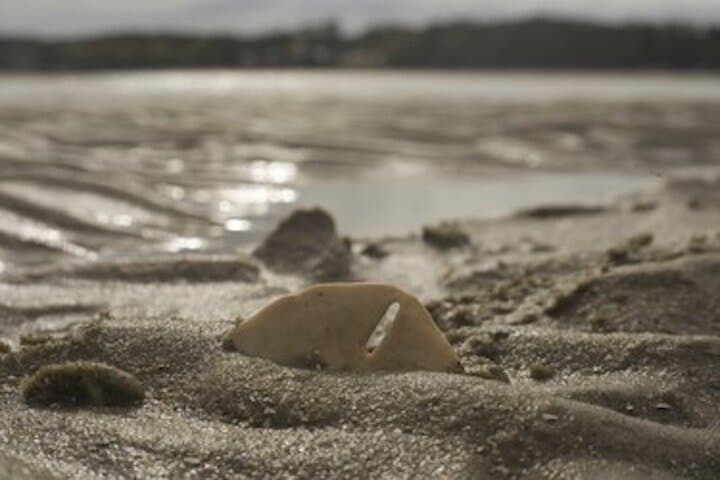
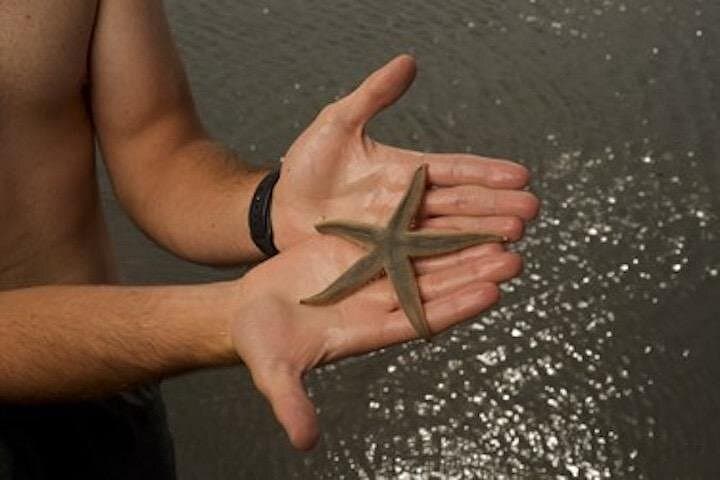
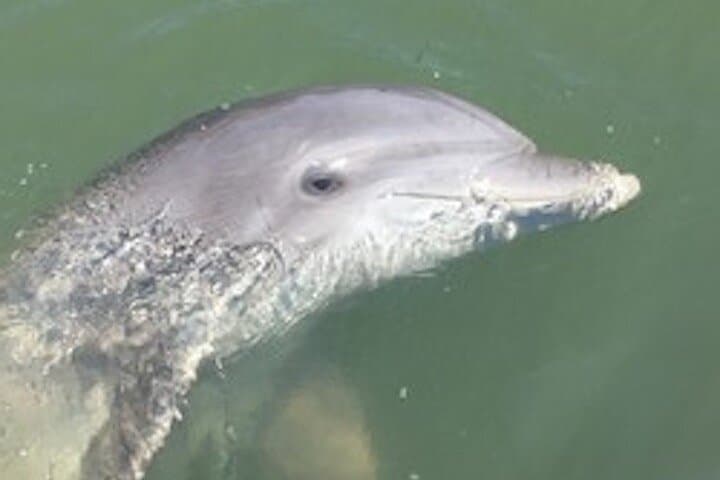
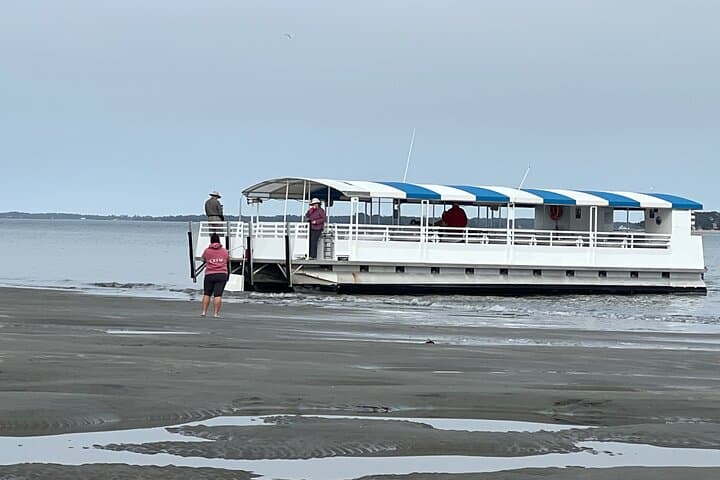
A low, salt-scented wind lifts off the intracoastal as the captain eases the bow away from Palmetto Bay Marina. The boat slips through tidal channels ringed by marsh grass; gulls argue over the wake and the first dorsal fins slice the flat water like punctuation marks. This two-hour excursion centers on the Atlantic bottlenose dolphin, whose curiosity often brings pods within easy viewing distance, and a 30-minute landing at a “disappearing” sandbar exposed at low tide where sand dollars and starfish lie strewn like small, fragile fossils.
A low, salt-scented wind lifts off the intracoastal as the captain eases the bow away from Palmetto Bay Marina. The boat slips through tidal channels ringed by marsh grass; gulls argue over the wake and the first dorsal fins slice the flat water like punctuation marks. This two-hour excursion centers on the Atlantic bottlenose dolphin, whose curiosity often brings pods within easy viewing distance, and a 30-minute landing at a “disappearing” sandbar exposed at low tide where sand dollars and starfish lie strewn like small, fragile fossils.
Hilton Head’s shoreline is shaped by the same long Atlantic tidal rhythms that created its wide sandbars and salt marsh estuaries; the island’s Gullah-Geechee heritage and Civil War-era coastal history are part of the human story that follows these waterways. Geologically, the exposed flats are recent—sediment carried downshore and sorted by tides—so the island changes subtly with each season and storm.
Practically, this is an accessible, family-oriented outing: expect gentle boat motion, opportunities to step down 1–2 feet onto the island (a short wade of about 10–15 feet may be required), and a moderate amount of walking on fine sand. Bring sun protection, water shoes for wading, and a light layer against sea breezes. Keep an eye on children around the water and follow the captain’s safety briefing. Respect the fragile flats—do not collect live animals or disturb nesting birds. With a USCG-licensed captain and frequent sightings reported, the tour pairs easy coastal natural history with a hands-on shoreline stop that showcases why Hilton Head’s tidal landscape continues to draw travelers.