THE ADVENTURE COLLECTIVE® · Independent discovery and booking for outdoor travel

A brisk four-hour run from Hilo port takes you from Japanese gardens and Rainbow Falls to the steam and rock of Hawaiʻi Volcanoes National Park. Small-group guides mix geology, history, and Hawaiian culture for a compact, insightful day-trip.
A brisk four-hour run from Hilo port takes you from Japanese gardens and Rainbow Falls to the steam and rock of Hawaiʻi Volcanoes National Park. Small-group guides mix geology, history, and Hawaiian culture for a compact, insightful day-trip.
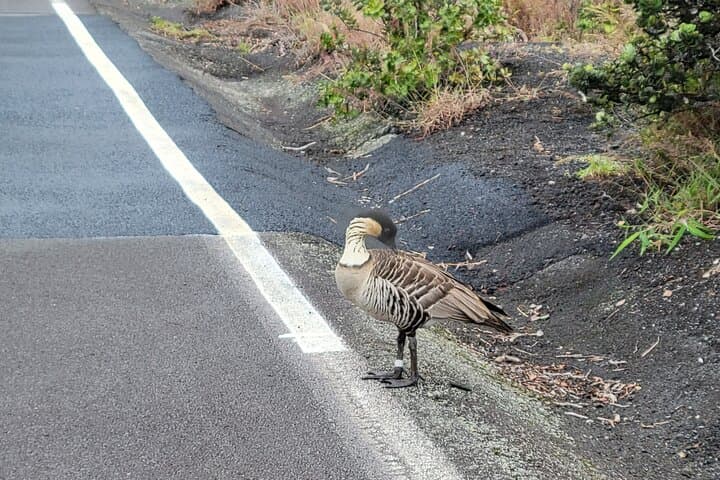
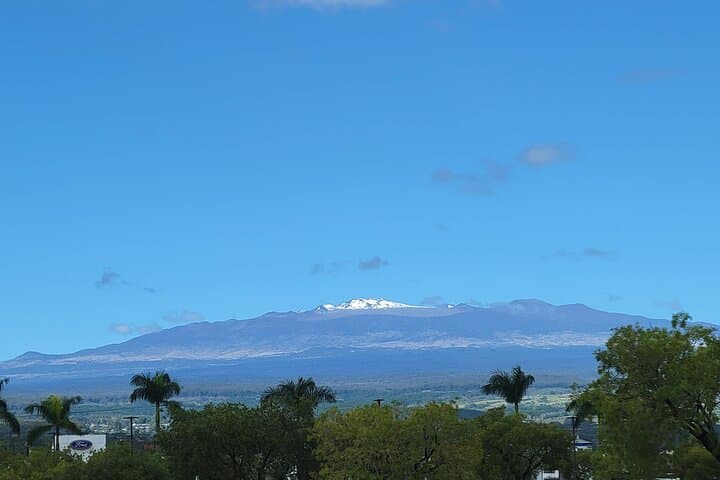
You step off the gangway into the warm, green air of Hilo and the island immediately lays a map of contrasts at your feet: the bay’s calm gloss, a town that smells faintly of coffee and rain, and volcanic hills that smoke on the horizon. On this four-hour sweep from port to park, a small group—eleven or fewer—moves with a guide who points out plants, names the birds, and tells the old stories that give the landscape shape.
Verified experiences and guided adventures in the surrounding area.
Operated by Malahini Tours · Hilo, Hawaii
You step off the gangway into the warm, green air of Hilo and the island immediately lays a map of contrasts at your feet: the bay’s calm gloss, a town that smells faintly of coffee and rain, and volcanic hills that smoke on the horizon. On this four-hour sweep from port to park, a small group—eleven or fewer—moves with a guide who points out plants, names the birds, and tells the old stories that give the landscape shape.
The route feels like a single long chapter: first the manicured lines of the Japanese Gardens that speak to Hilo’s ties with Japan and the late Queen Liliʻuokalani, then the sudden, vertical flash of Rainbow Falls where light fractures over basalt and myths of Hina the moon goddess hang in the mist. The centerpiece is Hawaiʻi Volcanoes National Park—where Kīlauea’s heat touches the ground and Pele’s stories are more than folklore; they are a human way to read lava flows and ash layers.
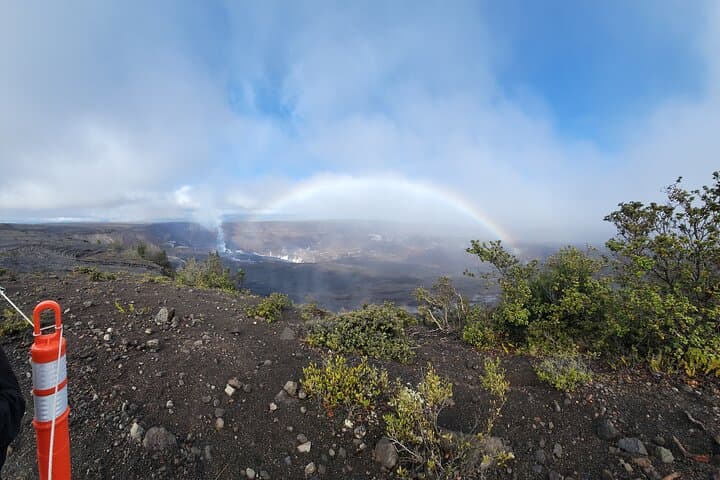
Geology here is blunt and immediate. Kīlauea’s recent eruptions have reworked forests and roads; sulfurous steam rises like a breath, and the crater rim walk gives you a close view of fumaroles and lava-scarred ground. The terrain varies—paved viewpoints, boardwalks through fern-thick gullies, and short, rocky rim paths—so your body remembers the hike in different ways.
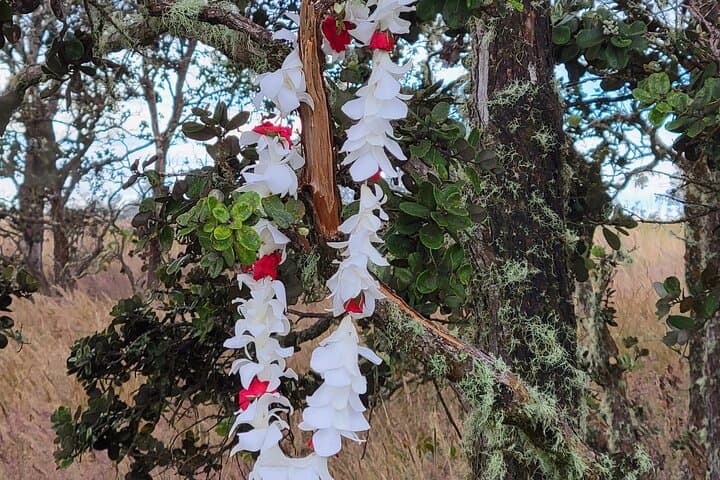
Culturally the tour is as much about listening as looking. Guides relate Hawaiian chants, name plants used for medicine and lei, and explain how the park manages sacred sites. There’s a final stop at Big Island Candies for shortbread samples, a reminder that local economies blend subsistence, tourism, and craft in everyday ways.
Practical notes: expect four hours door-to-door from the port, with most of the time spent at the national park and short stops at Rainbow Falls and the gardens. Trail distance along the crater rim is short—plan on 1–2 miles of walking, with modest elevation change but some uneven sections. Bring layering: weather shifts fast between Hilo’s damp coast and the cooler, wind-exposed park. Hydrate; bottled water is provided, but carry a refillable bottle. Good hiking shoes with grip handle slick boardwalks and recent lava rock.
Timing matters—if you want the best light at Rainbow Falls, mid-morning brings rainbows when the sun is right. In the park, be prepared for steam and sulfur smells and follow all posted closures. The small-group format makes this tour conversational and adaptive: questions about culture, history, and the active landscape are welcome, and your guide is the bridge between the living island and the stories it keeps.
moderate.
4 hours.
Moderate fitness: able to walk 1–2 miles over uneven ground and tolerate short elevation changes
The tour is approximately four hours and departs from the prearranged pick-up area in Hilo Port Terminal 1; meet your Malihini Tours guide 15 minutes before departure.
Admission to Hawaiʻi Volcanoes National Park is not included in the tour price; check current park fees and have payment ready if required.
Wear layers, a waterproof shell, and closed-toe shoes with good grip—conditions vary from warm, wet coast to cool, windy park rim.
The tour is family-friendly, but it requires moderate walking over uneven surfaces; travelers with limited mobility should contact the operator in advance about accessibility.
Active lava visibility depends on current volcanic activity and park closures—guides will take you to safe viewpoints but cannot guarantee seeing molten lava.
Yes—pickup is arranged at the port's prearranged meeting area; the guide will hold a sign reading “Malahini Tours” and coordinate exact pickup details.
Hilo’s relationship with volcanoes predates Western contact; oral histories about Pele shape how locals interpret eruptions and the landscape.
The park balances public access with protection of fragile lava fields and native forests—stay on trails and avoid collecting rocks or plants.
Malahini Tours operates guided outdoor trips and adventures with an emphasis on safety, stewardship, and memorable experiences.
You step off the gangway into the warm, green air of Hilo and the island immediately lays a map of contrasts at your feet: the bay’s calm gloss, a town that smells faintly of coffee and rain, and volcanic hills that smoke on the horizon. On this four-hour sweep from port to park, a small group—eleven or fewer—moves with a guide who points out plants, names the birds, and tells the old stories that give the landscape shape.
You step off the gangway into the warm, green air of Hilo and the island immediately lays a map of contrasts at your feet: the bay’s calm gloss, a town that smells faintly of coffee and rain, and volcanic hills that smoke on the horizon. On this four-hour sweep from port to park, a small group—eleven or fewer—moves with a guide who points out plants, names the birds, and tells the old stories that give the landscape shape.
The route feels like a single long chapter: first the manicured lines of the Japanese Gardens that speak to Hilo’s ties with Japan and the late Queen Liliʻuokalani, then the sudden, vertical flash of Rainbow Falls where light fractures over basalt and myths of Hina the moon goddess hang in the mist. The centerpiece is Hawaiʻi Volcanoes National Park—where Kīlauea’s heat touches the ground and Pele’s stories are more than folklore; they are a human way to read lava flows and ash layers.
Geology here is blunt and immediate. Kīlauea’s recent eruptions have reworked forests and roads; sulfurous steam rises like a breath, and the crater rim walk gives you a close view of fumaroles and lava-scarred ground. The terrain varies—paved viewpoints, boardwalks through fern-thick gullies, and short, rocky rim paths—so your body remembers the hike in different ways.
Culturally the tour is as much about listening as looking. Guides relate Hawaiian chants, name plants used for medicine and lei, and explain how the park manages sacred sites. There’s a final stop at Big Island Candies for shortbread samples, a reminder that local economies blend subsistence, tourism, and craft in everyday ways.
Practical notes: expect four hours door-to-door from the port, with most of the time spent at the national park and short stops at Rainbow Falls and the gardens. Trail distance along the crater rim is short—plan on 1–2 miles of walking, with modest elevation change but some uneven sections. Bring layering: weather shifts fast between Hilo’s damp coast and the cooler, wind-exposed park. Hydrate; bottled water is provided, but carry a refillable bottle. Good hiking shoes with grip handle slick boardwalks and recent lava rock.
Timing matters—if you want the best light at Rainbow Falls, mid-morning brings rainbows when the sun is right. In the park, be prepared for steam and sulfur smells and follow all posted closures. The small-group format makes this tour conversational and adaptive: questions about culture, history, and the active landscape are welcome, and your guide is the bridge between the living island and the stories it keeps.