THE ADVENTURE COLLECTIVE® · Independent discovery and booking for outdoor travel

Drive from Hilo through rainforest to the summit of Mauna Kea for sunset views and a visit to Hilo's waterfalls. This full-day tour mixes coastal cascades with high-alpine panoramas and cultural stops.
Drive from Hilo through rainforest to the summit of Mauna Kea for sunset views and a visit to Hilo's waterfalls. This full-day tour mixes coastal cascades with high-alpine panoramas and cultural stops.
You step out of an air-conditioned van into the thinning air above Hilo, the island’s green valleys dropping away while clouds gather below like an audience. The road climbs from humid rainforest to stony alpine desert; waterfalls roar back on the coast and the summit of Mauna Kea waits with its ring of international telescopes.
Verified experiences and guided adventures in the surrounding area.
Operated by BARBIL TOURS · Hilo, Hawaii
You step out of an air-conditioned van into the thinning air above Hilo, the island’s green valleys dropping away while clouds gather below like an audience. The road climbs from humid rainforest to stony alpine desert; waterfalls roar back on the coast and the summit of Mauna Kea waits with its ring of international telescopes.
The route threads through Hawaii island’s volcanic story — old pahoehoe and aʻa flows give way to ash and cinder at higher elevations. Mauna Kea is sacred in native Hawaiian culture, a place of kūpuna (ancestors) and navigational lore; guides typically point out cultural markers and ask for respect at vista stops. On the Hilo side, Rainbow Falls and the monkeypod tree reflect the town’s plantation-era and horticultural history.
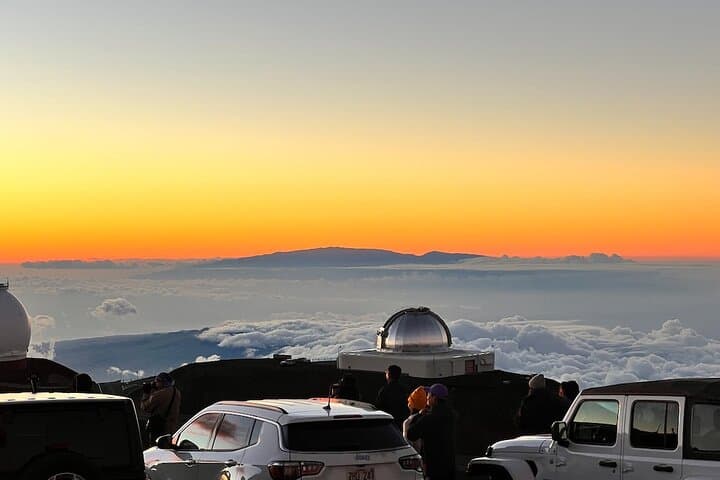
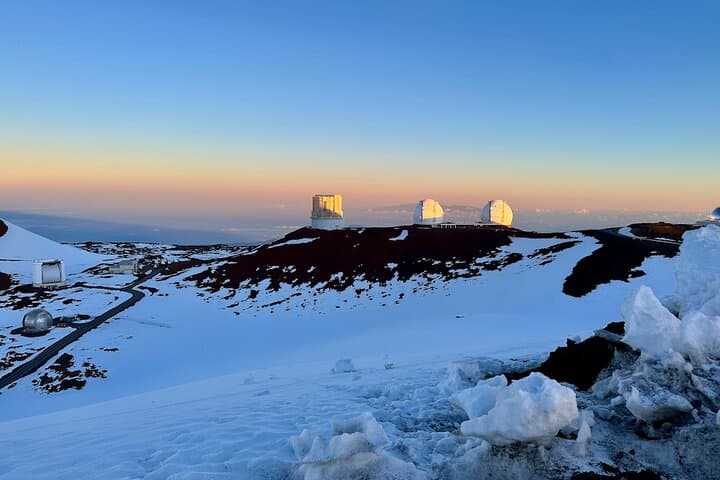
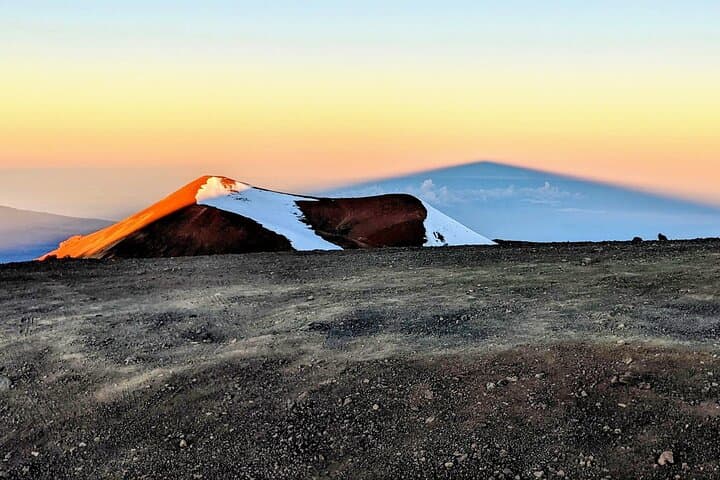
Expect crisp, rapidly changing conditions: warm and wet near waterfalls, then thin, cold air at 13,796 ft/4,205 m. The summit climb provides dramatic light for photography at sunset and close-up looks at observatories punctuating the skyline. Acclimate at the visitor center around 9,000 ft/2,743 m; staff often explain geology and safety.
Practical notes: bring layered clothing, allow time for gradual ascent to reduce altitude effects, and follow guide instructions about where to stop for photos. Bottled water and hotel pickup are commonly provided, but personal water, sturdy shoes, sun protection, and a jacket will make the day comfortable. The tour balances easy access with high-altitude exposure — rewarding vistas for travelers prepared for a brief but real change in environment.
moderate.
6 hours.
Light to moderate fitness; participants should be comfortable in a vehicle for several hours and able to manage short walks at altitude.
Some guests experience mild symptoms (headache, shortness of breath); the itinerary includes an acclimation stop at about 9,000 ft to reduce risks — inform guides of medical concerns.
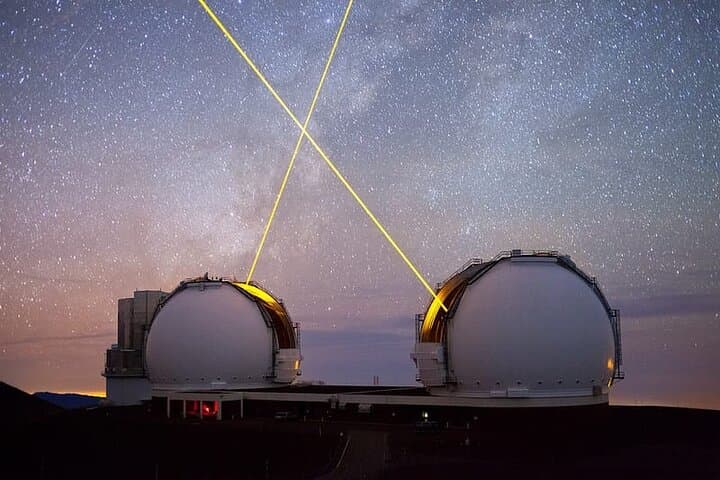
Public access to telescopes is restricted; you can view them from designated areas and learn about them at the visitor center, but entry to observatory domes is typically closed to tour groups.
No — summit visibility depends on weather. Guides monitor conditions and may adjust timing; tours can be canceled or rescheduled in unsafe conditions.
Yes — the tour commonly includes hotel pickup, an air-conditioned vehicle, and bottled water, but bring your own refillable bottle for the day.
Mauna Kea has long been a cultural and astronomical focal point for Native Hawaiians and modern scientists alike; Hilo grew as a center for sugar plantations and trade in the 19th century.
Respect restricted areas on the mountain and stick to marked paths to protect fragile alpine soils and culturally significant sites; reduce plastic use and stay on durable surfaces.
BARBIL TOURS operates guided outdoor trips and adventures with an emphasis on safety, stewardship, and memorable experiences.
You step out of an air-conditioned van into the thinning air above Hilo, the island’s green valleys dropping away while clouds gather below like an audience. The road climbs from humid rainforest to stony alpine desert; waterfalls roar back on the coast and the summit of Mauna Kea waits with its ring of international telescopes.
You step out of an air-conditioned van into the thinning air above Hilo, the island’s green valleys dropping away while clouds gather below like an audience. The road climbs from humid rainforest to stony alpine desert; waterfalls roar back on the coast and the summit of Mauna Kea waits with its ring of international telescopes.
The route threads through Hawaii island’s volcanic story — old pahoehoe and aʻa flows give way to ash and cinder at higher elevations. Mauna Kea is sacred in native Hawaiian culture, a place of kūpuna (ancestors) and navigational lore; guides typically point out cultural markers and ask for respect at vista stops. On the Hilo side, Rainbow Falls and the monkeypod tree reflect the town’s plantation-era and horticultural history.
Expect crisp, rapidly changing conditions: warm and wet near waterfalls, then thin, cold air at 13,796 ft/4,205 m. The summit climb provides dramatic light for photography at sunset and close-up looks at observatories punctuating the skyline. Acclimate at the visitor center around 9,000 ft/2,743 m; staff often explain geology and safety.
Practical notes: bring layered clothing, allow time for gradual ascent to reduce altitude effects, and follow guide instructions about where to stop for photos. Bottled water and hotel pickup are commonly provided, but personal water, sturdy shoes, sun protection, and a jacket will make the day comfortable. The tour balances easy access with high-altitude exposure — rewarding vistas for travelers prepared for a brief but real change in environment.