THE ADVENTURE COLLECTIVE® · Independent discovery and booking for outdoor travel

Head out from Hilo Bay for 90 minutes among wintering North Pacific humpbacks. Expect blows, breaches, and the option to hear whale song while snorkeling — plus practical tips to make the outing comfortable and respectful.
Head out from Hilo Bay for 90 minutes among wintering North Pacific humpbacks. Expect blows, breaches, and the option to hear whale song while snorkeling — plus practical tips to make the outing comfortable and respectful.
A low haze lifts off Hilo Bay as the 35' Wellcraft Scarab slips from Wailoa Boat Harbor. Salt spray mists your face and the harbor’s low buildings fall away; the ocean opens cold and blue, and the horizon waits. In winter months this stretch of Pacific becomes a staging ground for North Pacific humpbacks — rolling giants that arrive after a 6,000‑mile migration from Alaska to breed and nurse calves.
Verified experiences and guided adventures in the surrounding area.
Operated by Hilo Ocean Adventures · Hilo, Hawaii
A low haze lifts off Hilo Bay as the 35' Wellcraft Scarab slips from Wailoa Boat Harbor. Salt spray mists your face and the harbor’s low buildings fall away; the ocean opens cold and blue, and the horizon waits. In winter months this stretch of Pacific becomes a staging ground for North Pacific humpbacks — rolling giants that arrive after a 6,000‑mile migration from Alaska to breed and nurse calves.
The geology here is plain and powerful: volcanic basalt underpins the island, and deep offshore banks create feeding and calving corridors favored by whales. Hilo’s culture is tied to the ocean — kupuna stories, local fishermen, and conservation groups all shape how tours operate and how visitors are taught to observe wildlife respectfully.
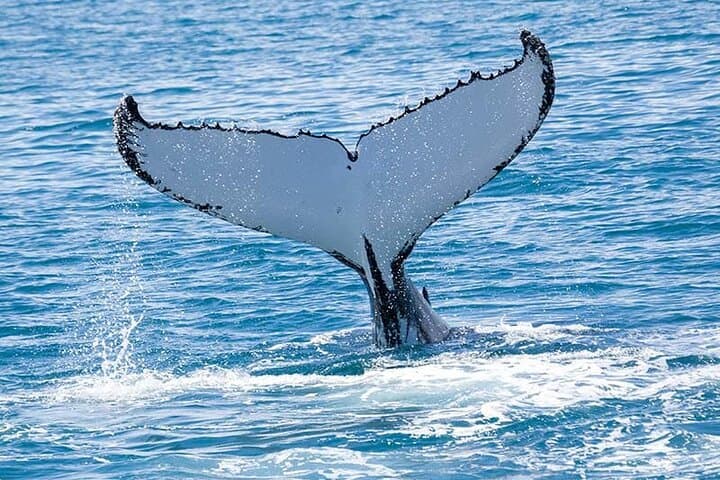
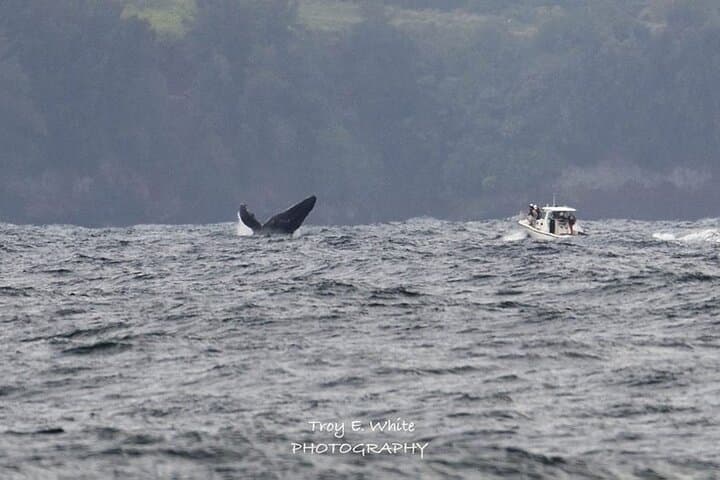
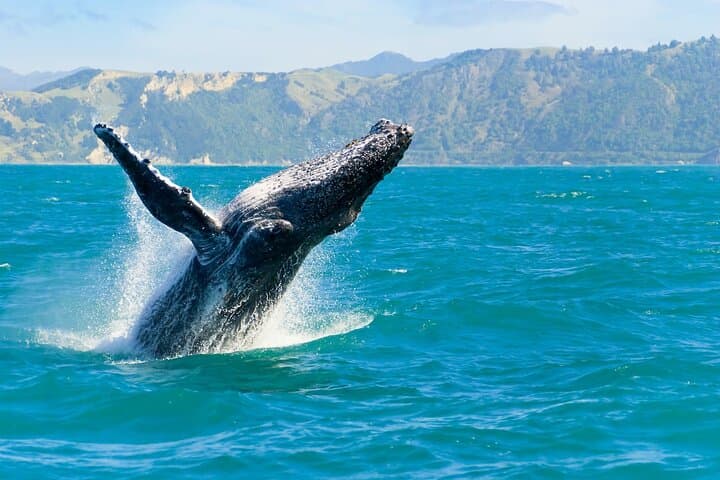
On a 90‑minute excursion expect multiple vantage points from the boat: surface blows, tail slaps, and long, arching dives that reveal dark, barnacled flukes. Guides use hydrophones on upgraded whale‑song snorkel trips to bring the whales’ low, haunting calls into audible range — a rare, full‑sensory way to connect.
Practical notes: check in at Wailoa Boat Harbor or the Hilo storefront and arrive early. Dress in layers, bring sun protection and motion‑sickness remedies, and secure loose items on deck. Tours follow NOAA marine‑mammal approach rules; sightings are common in December–April but never guaranteed. For photographers, a mid‑telephoto lens (200–400mm equivalent) and a fast shutter help capture fast surface behavior. This outing balances spectacle and stewardship — an accessible, high‑reward marine wildlife experience on Hawaii’s lush eastern shore.
moderate.
90 minutes.
Light to moderate: you should be able to climb aboard a 35' boat and stand on deck for short periods; sea conditions may make balance challenging.
Peak season runs roughly mid‑December through April when North Pacific humpbacks arrive to breed and calve.
No—humpbacks are wild animals and sightings are common but never guaranteed; tours follow best‑practice routes to maximize chances.
No—swimming with humpbacks is not permitted; the Whale Song snorkel package uses hydrophones to hear whales while snorkeling in separate, supervised areas.
Yes; the operator allows ages 8 and up, and minors must be accompanied by an adult. Physical demands are moderate.
Humpback migration to Hawaiian waters is an ancient, annual event tied to breeding and calving; modern whale protection laws emerged in the 20th century to reduce hunting and disturbance.
Tours operate under NOAA viewing guidelines and local rules; visitors are encouraged to use reef‑safe sunscreen and avoid single‑use plastics to reduce impact.
Hilo Ocean Adventures operates guided outdoor trips and adventures with an emphasis on safety, stewardship, and memorable experiences.
A low haze lifts off Hilo Bay as the 35' Wellcraft Scarab slips from Wailoa Boat Harbor. Salt spray mists your face and the harbor’s low buildings fall away; the ocean opens cold and blue, and the horizon waits. In winter months this stretch of Pacific becomes a staging ground for North Pacific humpbacks — rolling giants that arrive after a 6,000‑mile migration from Alaska to breed and nurse calves.
A low haze lifts off Hilo Bay as the 35' Wellcraft Scarab slips from Wailoa Boat Harbor. Salt spray mists your face and the harbor’s low buildings fall away; the ocean opens cold and blue, and the horizon waits. In winter months this stretch of Pacific becomes a staging ground for North Pacific humpbacks — rolling giants that arrive after a 6,000‑mile migration from Alaska to breed and nurse calves.
The geology here is plain and powerful: volcanic basalt underpins the island, and deep offshore banks create feeding and calving corridors favored by whales. Hilo’s culture is tied to the ocean — kupuna stories, local fishermen, and conservation groups all shape how tours operate and how visitors are taught to observe wildlife respectfully.
On a 90‑minute excursion expect multiple vantage points from the boat: surface blows, tail slaps, and long, arching dives that reveal dark, barnacled flukes. Guides use hydrophones on upgraded whale‑song snorkel trips to bring the whales’ low, haunting calls into audible range — a rare, full‑sensory way to connect.
Practical notes: check in at Wailoa Boat Harbor or the Hilo storefront and arrive early. Dress in layers, bring sun protection and motion‑sickness remedies, and secure loose items on deck. Tours follow NOAA marine‑mammal approach rules; sightings are common in December–April but never guaranteed. For photographers, a mid‑telephoto lens (200–400mm equivalent) and a fast shutter help capture fast surface behavior. This outing balances spectacle and stewardship — an accessible, high‑reward marine wildlife experience on Hawaii’s lush eastern shore.